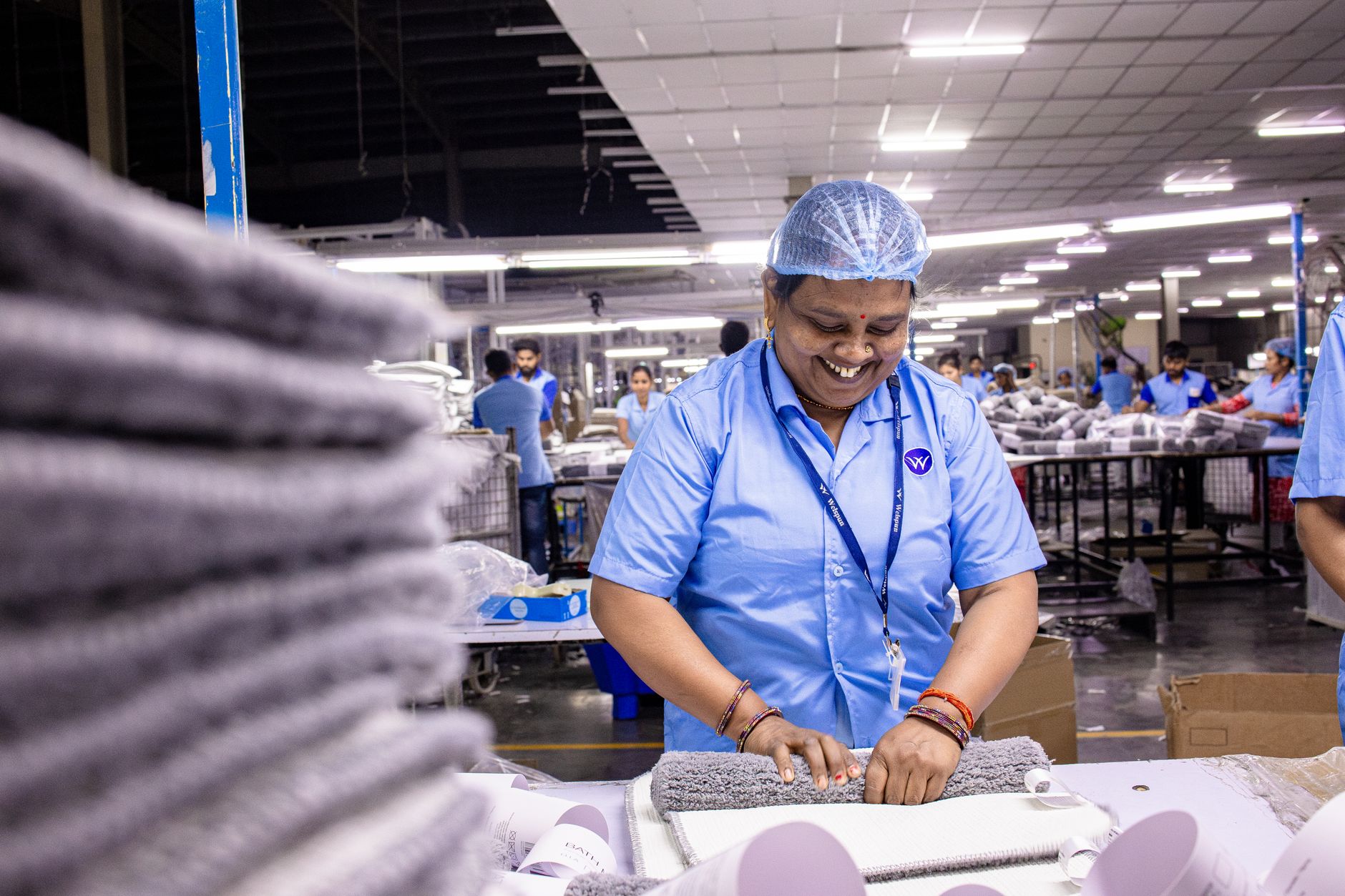
Corporate India is witnessing a transformative shift in hiring practices, with impact sourcing emerging as a powerful model that bridges the gap between business performance and social responsibility. Alorica India's latest initiative exemplifies this approach, focusing on creating meaningful employment opportunities for communities that have traditionally faced barriers to formal employment while maintaining high operational standards.
Understanding Impact Sourcing
Impact sourcing is a business practice that intentionally hires and provides career development opportunities to people who otherwise have limited prospects for formal employment. This includes individuals from low-income backgrounds, rural areas, people with disabilities, women re-entering the workforce, members of scheduled castes and tribes, and other marginalized groups.
Unlike traditional corporate social responsibility programs, impact sourcing integrates social impact directly into core business operations. Companies employing this model seek to prove that hiring from underrepresented communities does not mean compromising on quality or productivity. Instead, it taps into an often-overlooked talent pool while generating measurable social benefits.
The Business Case for Inclusive Hiring
Organizations pursuing impact sourcing initiatives often discover unexpected business advantages. These programs can reduce recruitment costs by accessing talent pools with lower turnover rates, as employees from underrepresented communities typically demonstrate higher loyalty and job commitment when given stable employment opportunities.
Additionally, companies benefit from diverse perspectives that enhance problem-solving capabilities and customer service. Teams built through impact sourcing often show strong resilience, motivation, and dedication, qualities that translate directly into better performance metrics.
For the business process outsourcing sector, where companies like Alorica operate, impact sourcing addresses persistent talent acquisition challenges while building a more sustainable workforce model. The industry's high-volume hiring needs align well with impact sourcing's scalability potential.
Key Elements of Successful Impact Sourcing Programs
Effective impact sourcing initiatives share several common characteristics. They typically include comprehensive training programs that equip new hires with necessary skills, recognizing that candidates from underrepresented backgrounds may not have access to conventional education pathways.
Support systems form another critical component. This might include:
- Mentorship programs pairing new employees with experienced staff
- Life skills training covering workplace communication and professional development
- Flexible scheduling accommodating caregivers and those with family responsibilities
- Transportation assistance for employees from remote areas
- Language and digital literacy training
Companies also invest in creating inclusive workplace cultures where diverse employees feel welcomed and valued, addressing potential biases and ensuring equal growth opportunities.
Impact on Communities and Individuals
The ripple effects of impact sourcing extend far beyond individual employees. When someone from a marginalized community secures stable formal employment, their entire family often benefits through improved income stability, better access to education for children, and enhanced social status within their community.
These positions provide more than just wages. Formal employment brings access to benefits like health insurance, provident fund contributions, and skills development that create long-term career pathways. For many first-time formal sector employees, this represents a transformational shift in economic security.
Women particularly benefit from such initiatives, as they often face additional barriers including family responsibilities, safety concerns, and social expectations that limit employment options. Programs offering flexible timing and supportive environments enable women to participate in the workforce while managing other commitments.
Performance Outcomes
Evidence from various impact sourcing programs across India and globally indicates that properly implemented initiatives achieve performance metrics comparable to or exceeding traditional hiring approaches. Quality scores, productivity measures, and customer satisfaction ratings often match or surpass benchmarks.
This success challenges outdated assumptions about the relationship between employee backgrounds and workplace performance. When companies provide adequate training and support, motivation and commitment frequently matter more than conventional credentials.
The Road Ahead
As India pursues inclusive growth objectives, impact sourcing aligns with national priorities around skill development and employment generation. The model offers a scalable approach for private sector contribution to social development while maintaining commercial viability.
For job seekers from underrepresented communities, such initiatives represent crucial access points to formal employment and career advancement. For businesses, they offer a solution to talent challenges while building brand reputation and employee engagement.
The success of programs like Alorica India's initiative may encourage more companies to adopt impact sourcing, potentially creating hundreds of thousands of opportunities for Indians who have historically remained at the margins of the formal economy.