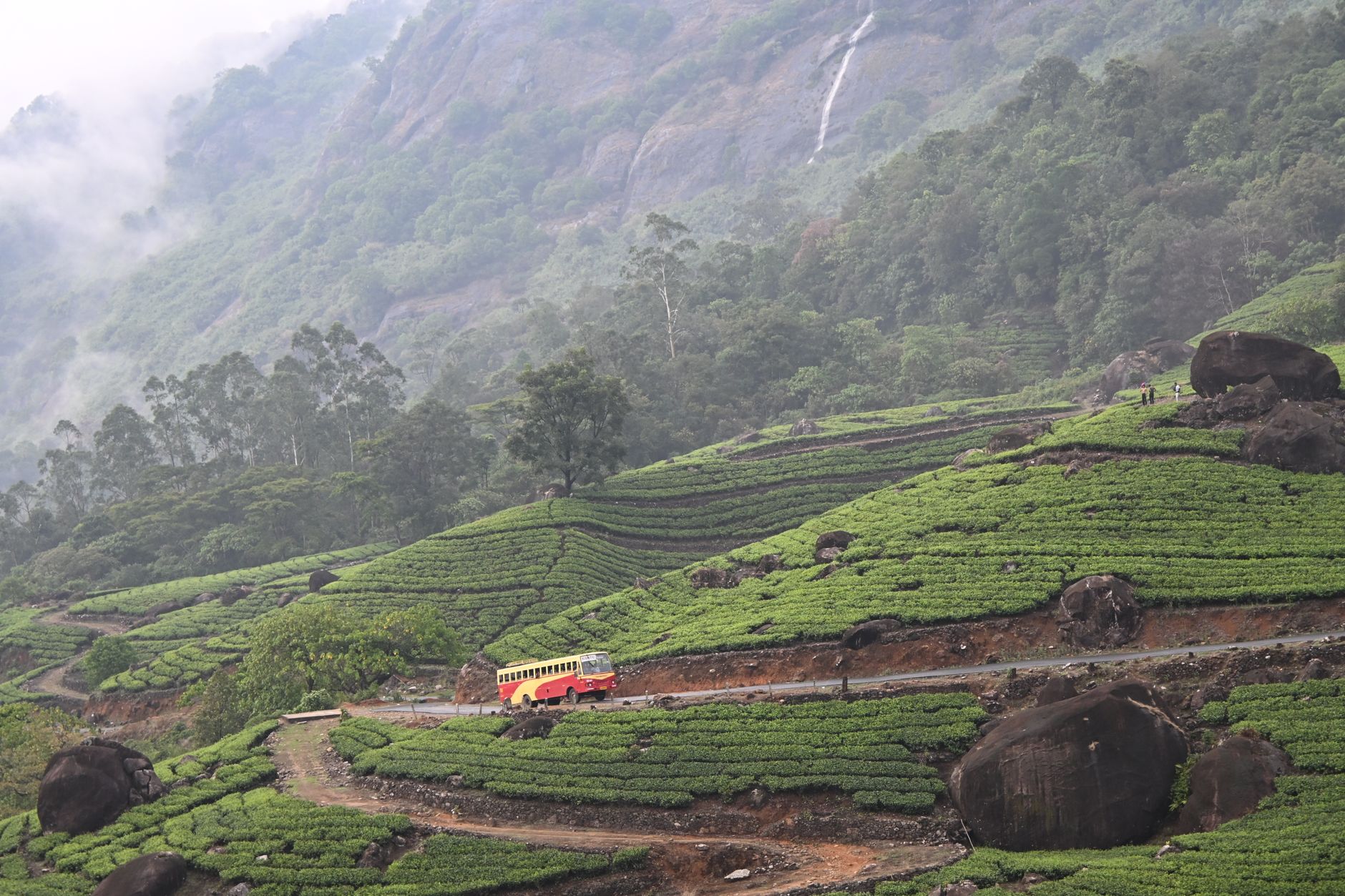
Kerala has long been marketed as "God's Own Country," attracting millions of tourists annually with its backwaters, hill stations, and pristine beaches. However, recent conversations around the state's tourism model signal a significant shift in priorities. As environmental concerns mount and traveler preferences evolve, Kerala is exploring how to transform itself into India's leading sustainable travel destination.
The Current Tourism Landscape
Kerala's tourism industry contributes substantially to the state's economy, employing millions and generating significant revenue. The state receives both domestic and international visitors, drawn by destinations like Munnar, Alleppey, Kovalam, and Wayanad. However, this success has come at a cost. Popular destinations face issues including overcrowding, waste management challenges, pollution in water bodies, and strain on local infrastructure.
The COVID-19 pandemic provided an unexpected pause, allowing policymakers and stakeholders to reassess the industry's trajectory. Many began questioning whether Kerala's tourism growth was truly sustainable or if it was inadvertently damaging the very natural beauty that attracts visitors.
What Sustainable Tourism Means
Sustainable tourism aims to minimize negative environmental and social impacts while maximizing benefits for local communities. This approach considers three pillars: environmental conservation, economic viability, and socio-cultural preservation. For Kerala, this means protecting its biodiversity, ensuring fair economic distribution, and preserving local cultures and traditions.
Globally, travelers are increasingly seeking authentic, eco-conscious experiences. They want to visit destinations that prioritize conservation, support local communities, and offer meaningful cultural exchanges rather than superficial tourist experiences.
Kerala's Sustainable Tourism Initiatives
Several initiatives are already underway across the state. Responsible Tourism projects in districts like Kumarakom and Thekkady involve local communities in tourism planning and execution, ensuring economic benefits reach grassroots levels. These programs encourage homestays, employ local guides, and promote traditional art forms and cuisine.
The Kerala government has also introduced green certification programs for hotels and resorts, rewarding establishments that adopt eco-friendly practices such as waste management, water conservation, and renewable energy use. Some resorts have pioneered zero-plastic policies and organic farming to supply their kitchens.
Protected areas like Periyar Tiger Reserve have implemented strict visitor limits and eco-tourism guidelines, balancing wildlife conservation with tourism revenue. Such models demonstrate that conservation and tourism can coexist when properly managed.
Challenges Ahead
Despite positive steps, Kerala faces significant hurdles in becoming a truly sustainable tourism destination. Infrastructure development often conflicts with environmental protection goals. The pressure to accommodate growing tourist numbers can lead to construction in ecologically sensitive areas, habitat destruction, and increased pollution.
Waste management remains a critical concern. Many tourist hotspots struggle with plastic waste, sewage disposal, and solid waste processing. Without robust systems, increased tourism exacerbates environmental degradation.
Economic dependencies also pose challenges. Many communities rely heavily on tourism income, making it difficult to implement restrictions that might reduce visitor numbers or change established practices. Balancing livelihood concerns with sustainability requires careful planning and alternative income support during transitions.
Additionally, changing entrenched mindsets among stakeholders—from government officials to business owners to tourists themselves—requires sustained effort and education.
The Path Forward
For Kerala to genuinely lead India's sustainable tourism movement, several strategic actions are necessary. Strengthening regulations around construction, waste management, and visitor capacity in sensitive areas must be prioritized. Enforcement mechanisms need improvement to ensure compliance.
Investing in community-based tourism models can distribute economic benefits more equitably while preserving local cultures. Training programs for local entrepreneurs in sustainable practices can create a skilled workforce aligned with green tourism goals.
Technology can play a role through digital monitoring of environmental indicators, smart booking systems to manage visitor flows, and platforms connecting tourists directly with local service providers.
Marketing Kerala as a premium sustainable destination rather than a mass-market option could attract conscious travelers willing to pay more for responsible experiences, potentially reducing pressure from sheer numbers while maintaining economic benefits.
Learning from Global Examples
Kerala can draw inspiration from destinations like Costa Rica, which built its tourism brand around sustainability, or Bhutan, with its high-value, low-impact tourism model. Closer to home, some Indian states are experimenting with eco-tourism in specific regions, offering lessons in both successes and pitfalls.
The transformation won't happen overnight, but Kerala's strong environmental awareness, educated population, and existing natural assets provide a solid foundation. Whether the state can balance economic growth with genuine sustainability will depend on political will, stakeholder cooperation, and sustained commitment to environmental stewardship over short-term gains.