India's travel and tourism sector is experiencing a remarkable transformation, with domestic travelers emerging as the primary engine of growth. According to recent findings, Indian tourists account for a staggering 86% of all travel spending in the country, fundamentally reshaping the industry's priorities and business models.
The Domestic Tourism Boom
This overwhelming dominance of domestic spending represents a significant evolution in India's tourism landscape. For decades, the industry focused heavily on attracting international visitors, but the data reveals that homegrown travelers are now the real economic powerhouse. This shift has accelerated in recent years, driven by rising disposable incomes, improved connectivity, and a growing middle class eager to explore their own country.
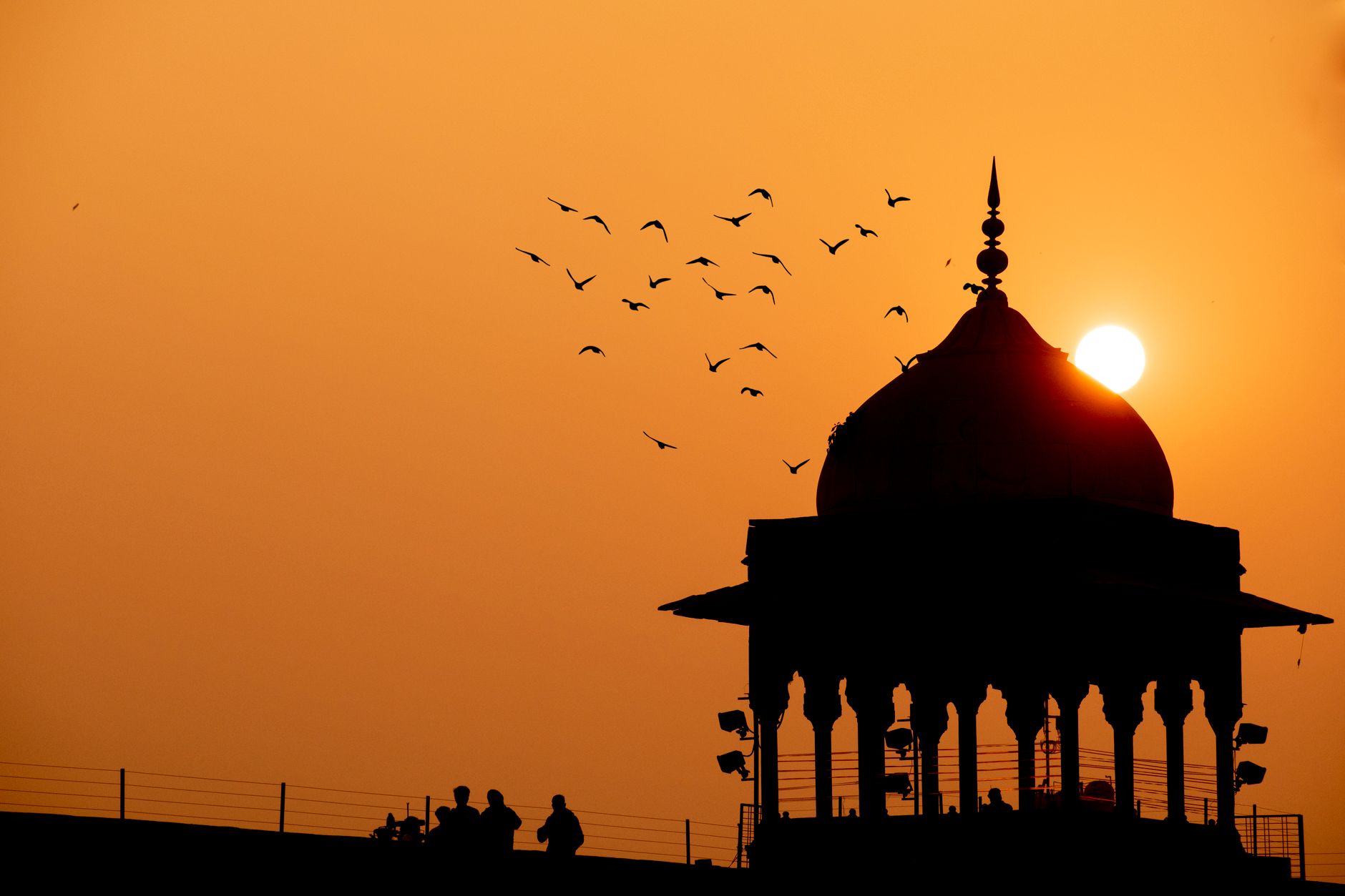
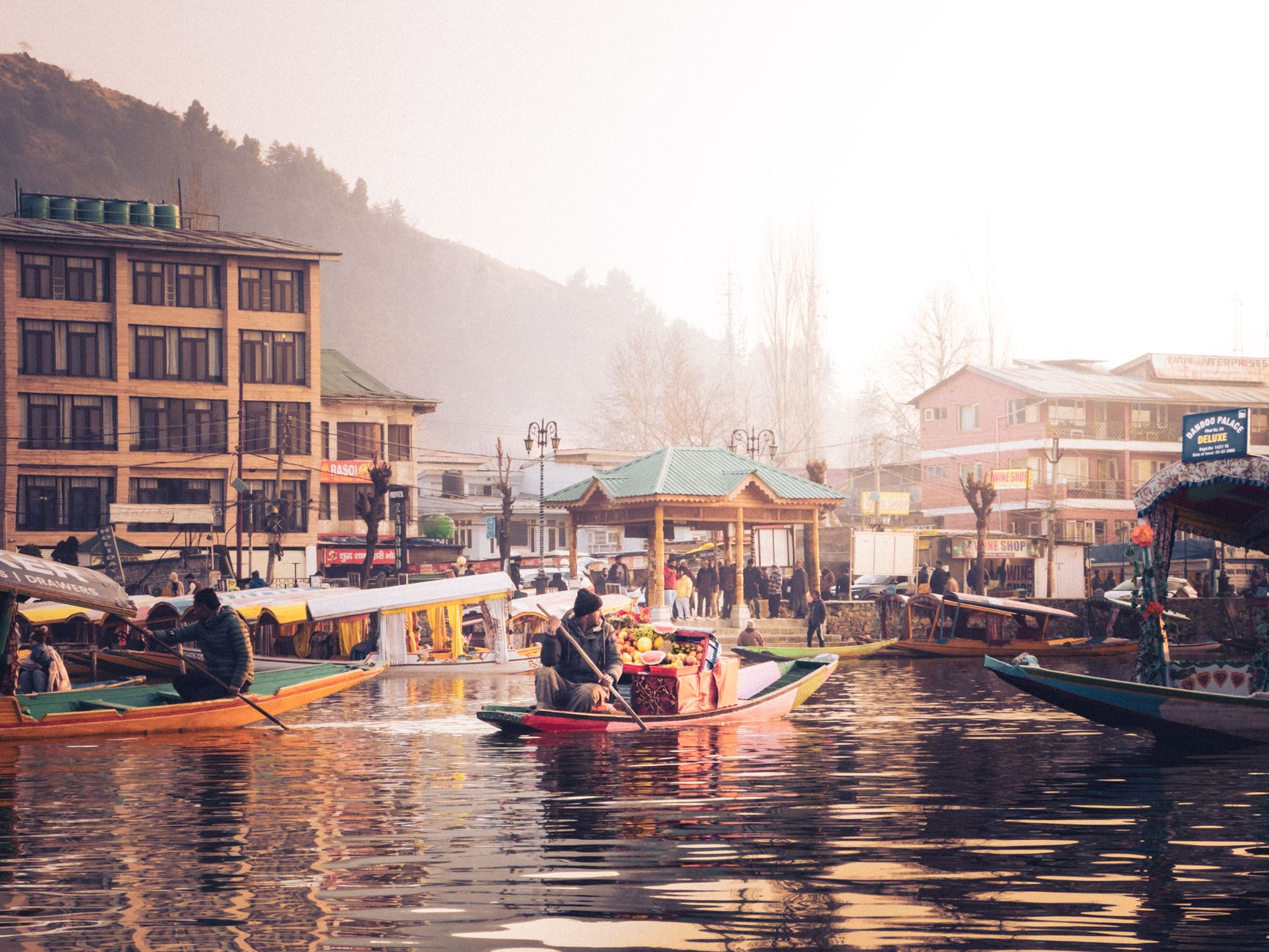
The 86% figure translates to hundreds of billions of rupees circulating within India's economy, supporting hotels, restaurants, transportation networks, tour operators, and countless small businesses across the country. From the beaches of Goa to the mountains of Himachal Pradesh, from heritage sites in Rajasthan to pilgrimage circuits across the nation, domestic tourists are keeping the wheels of tourism turning.
Why Domestic Travel Has Surged
Several factors have contributed to this domestic tourism dominance. The pandemic fundamentally altered travel behavior, with many Indians choosing to explore destinations closer to home rather than venturing abroad. This trend has proven sticky, with families and young travelers alike discovering the incredible diversity within India's borders.
Improved infrastructure has made domestic travel more accessible and appealing. Better highways, expanded rail networks, and increased flight connectivity to tier-2 and tier-3 cities have opened up previously hard-to-reach destinations. Budget airlines have democratized air travel, making weekend getaways feasible for middle-class families.
Digital platforms have also played a crucial role. Online booking systems, travel apps, and social media have made trip planning easier and more inspiring. Instagram-worthy destinations have become pilgrimage sites for younger travelers, driving visits to offbeat locations that previous generations might have overlooked.
Economic Implications
The domestic tourism surge carries significant economic benefits. Unlike international tourism, where substantial portions of spending leak out through foreign-owned hotel chains and international airlines, domestic tourism keeps money circulating within the Indian economy. Local guides, homestays, regional restaurants, and small transportation providers capture a larger share of this spending.
This trend has also created employment opportunities across smaller towns and rural areas. Tourism-related jobs in emerging destinations provide alternatives to agriculture or migration to larger cities, contributing to more balanced regional development.
Challenges and Opportunities
While the domestic tourism boom presents enormous opportunities, it also brings challenges. Popular destinations face overcrowding, environmental strain, and infrastructure stress. Hill stations and beach towns struggle during peak seasons, while basic facilities like clean toilets, waste management, and parking remain inadequate in many locations.
The industry must adapt to serve this domestic market effectively. Indian travelers have different expectations, preferences, and spending patterns compared to international tourists. They often travel in larger family groups, seek value for money, and prioritize certain amenities and experiences.
The Path Forward
Tourism businesses are recalibrating their strategies to cater to domestic travelers. Hotels are offering packages tailored to Indian families, destinations are developing attractions that resonate with local cultural preferences, and state governments are investing in infrastructure improvements at tourist sites.
Some key focus areas include:
- Developing weekend getaway destinations within 200-300 kilometers of major cities
- Creating experience-based tourism around adventure, wellness, and culture
- Improving last-mile connectivity and on-ground facilities
- Building capacity during off-peak seasons through targeted marketing
- Ensuring sustainable tourism practices to preserve destinations for future generations
International Tourism's Role
Despite domestic tourism's dominance, international visitors remain important. They typically spend more per capita, stay longer, and help India's global image. The goal is not to choose between domestic and international tourism but to develop a balanced ecosystem where both segments thrive.
India's tourism industry stands at an exciting juncture. With domestic travelers firmly established as the primary economic driver, the sector has a stable foundation for growth. The challenge now is managing this growth sustainably while continuing to enhance the quality of experiences offered.
As more Indians explore their own country, they're not just contributing to economic growth—they're also developing a deeper appreciation for India's incredible diversity, heritage, and natural beauty. This cultural reconnection may prove as valuable as the economic benefits in the long run.