India has long relied on promotional campaigns to attract tourists, showcasing its rich cultural heritage, diverse landscapes, and spiritual experiences. However, the country now faces a critical juncture where simply promoting destinations is no longer enough. To compete with global tourism powerhouses like Thailand, Singapore, and the UAE, India must fundamentally transform its approach from promotion-centric strategies to building genuinely competitive destinations.
The Current State of Indian Tourism
India welcomed approximately 9 million international tourists in 2019, before the pandemic disrupted global travel. While this number has been growing, it pales in comparison to countries like France (90 million), Spain (83 million), or even Thailand (40 million). The issue is not awareness—most global travelers know about the Taj Mahal, Kerala's backwaters, or Rajasthan's palaces. The challenge lies in converting that awareness into actual visits and positive experiences.
Promotional campaigns like "Incredible India" have successfully created global brand recognition. However, travelers increasingly make decisions based on practical factors: ease of access, safety, cleanliness, infrastructure quality, and value for money. India's tourism sector often falls short on these operational elements, despite having world-class attractions.
Infrastructure Gaps That Need Addressing
The first step toward competitive tourism involves addressing fundamental infrastructure challenges. Many of India's most celebrated destinations lack adequate accommodation options across price ranges, reliable transportation networks, and basic amenities like clean public restrooms and drinking water facilities.
Airport connectivity remains concentrated in major cities, forcing international tourists to navigate domestic flights or lengthy road journeys to reach destinations. Last-mile connectivity—the final leg from transportation hubs to actual tourist sites—frequently involves poorly maintained roads and unreliable local transport options.
Tourist destinations need systematic upgrades in signage, information centers, and multilingual support. Many international visitors struggle with language barriers even in popular tourist areas, unlike competing destinations in Southeast Asia where English proficiency is widespread in tourism zones.
Service Quality and Professionalization
The hospitality and tourism workforce requires significant professionalization. While India has pockets of excellence in luxury hotels and boutique properties, the broader service ecosystem often lacks training, standardization, and customer service orientation.
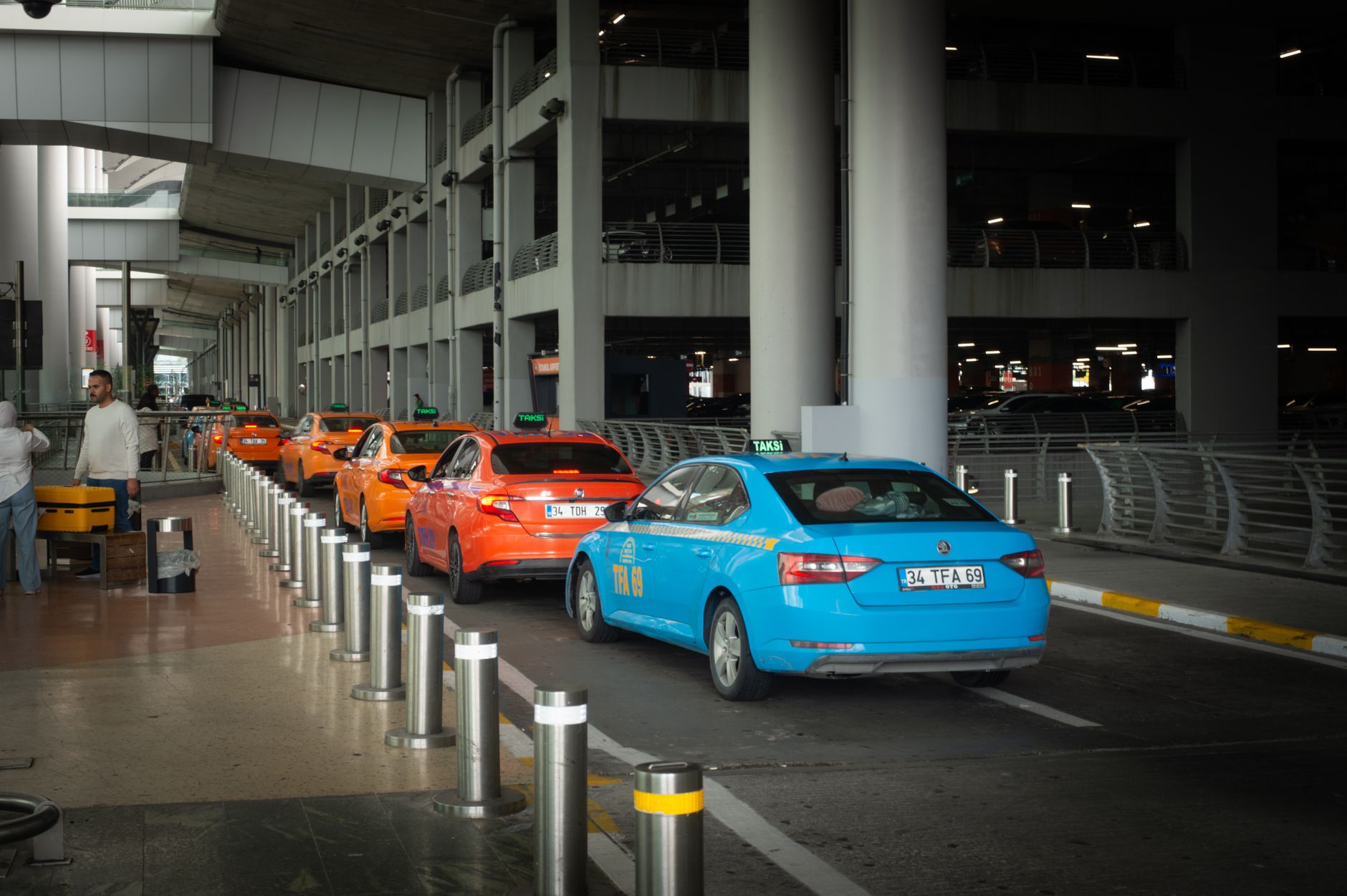
- Taxi and auto-rickshaw services need regulatory frameworks ensuring meter usage and preventing tourist harassment
- Tour guides require certification programs with language proficiency and historical accuracy standards
- Restaurant and hotel staff need training in international hospitality standards
- Tourist police and support services need expansion beyond major cities
Countries like Singapore and Japan have demonstrated that consistent, high-quality service experiences become part of a destination's competitive advantage. India must invest in vocational training, certification programs, and enforcement mechanisms to elevate service standards.
Digital Infrastructure and Convenience
Modern travelers expect seamless digital experiences throughout their journey. India needs integrated tourism platforms that allow easy booking of trains, buses, attraction tickets, and experiences. Currently, tourists must navigate multiple websites, often with inconsistent user experiences and payment challenges.
Digital payment infrastructure has improved dramatically with UPI and other systems, but international card acceptance and transparent pricing remain issues. QR-code based audio guides, augmented reality experiences at heritage sites, and mobile apps providing real-time information can enhance visitor experiences while reducing language barriers.
Safety and Cleanliness Perception
India must address perception issues around safety, particularly for solo female travelers, and cleanliness. The Swachh Bharat mission has made progress, but tourist destinations require sustained focus on waste management, public hygiene, and environmental conservation.
Well-lit public spaces, visible security presence, and strict enforcement against harassment can improve safety perceptions. Tourist zones need regular cleanliness audits and maintenance schedules similar to Singapore's rigorous standards.
Creating Unique, Competitive Experiences
Beyond fixing basics, India must develop distinctive tourism products that leverage its unique strengths. Wellness tourism, spiritual retreats, adventure sports, culinary tourism, and heritage walks represent areas where India can create world-class, differentiated offerings.
Destination development requires public-private partnerships, community involvement, and long-term planning rather than ad-hoc initiatives. States must develop tourism master plans with clear infrastructure timelines, service standards, and experience development roadmaps.
Policy and Regulatory Framework
Competitive tourism requires supportive policies including simplified visa processes, tourism-specific tax structures, and streamlined business regulations for tourism enterprises. India's e-visa system was a positive step, but further simplification and expansion to more nationalities would help.
The transformation from promotion to competition demands sustained investment, policy reforms, and coordinated efforts across central and state governments, private sector, and local communities. Only by addressing these fundamental gaps can India realize its potential as a truly competitive global tourism destination.