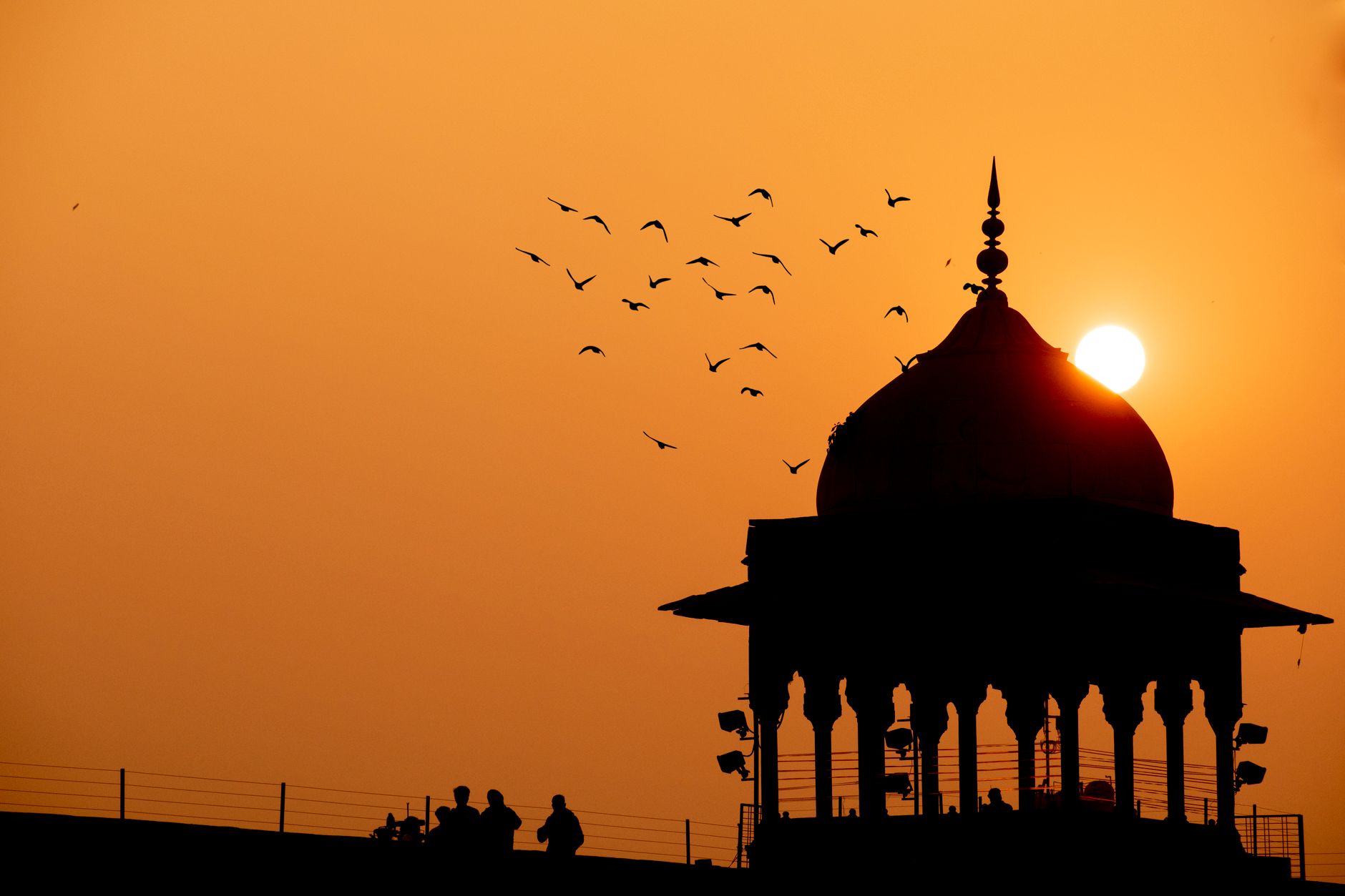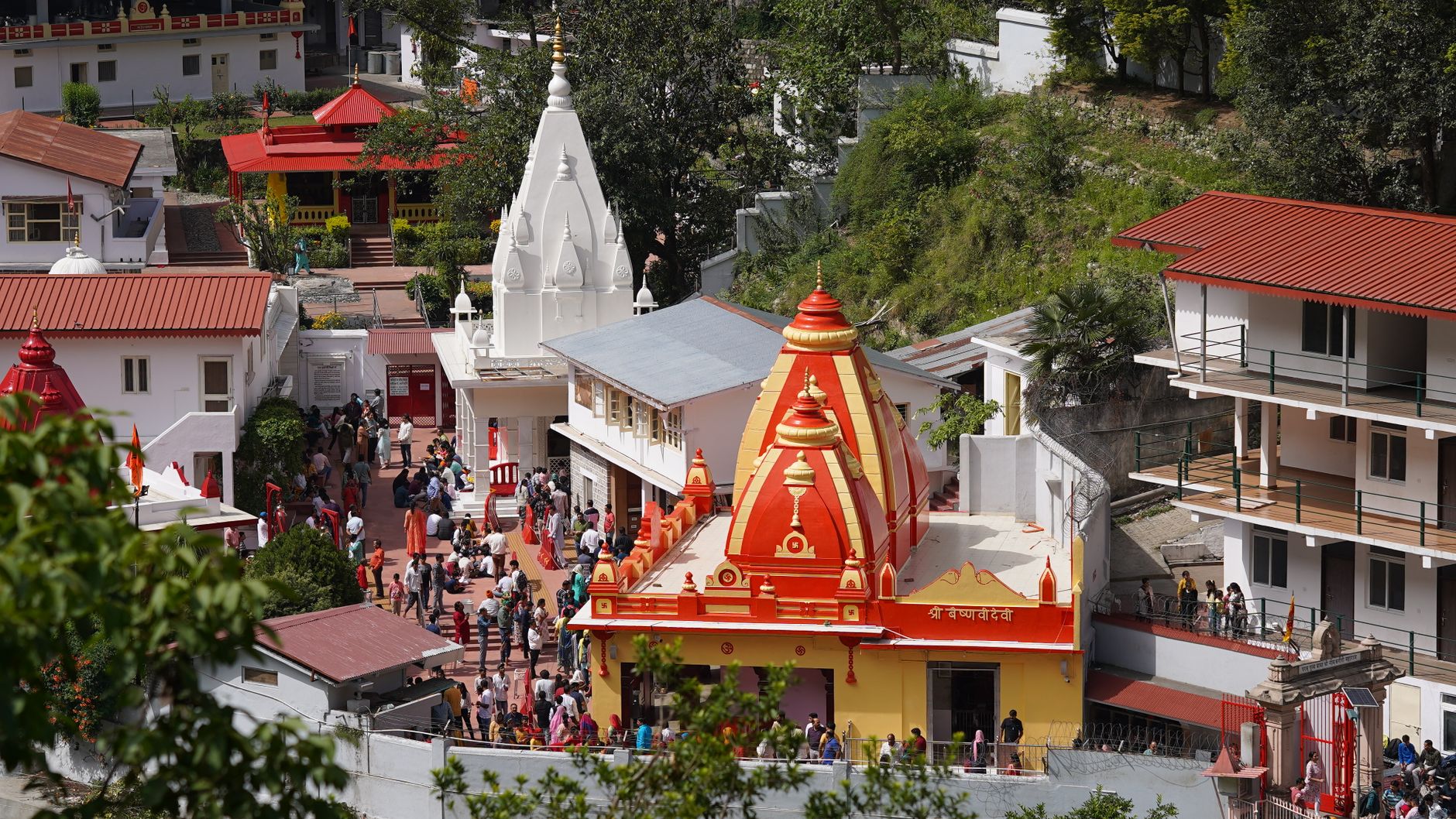
India stands as a land of remarkable contrasts, from the snow-capped Himalayas to tropical beaches, ancient temples to modern metropolises. Yet despite these natural advantages, the country receives fewer international tourists than smaller nations like Thailand or Malaysia. Industry experts now argue that targeted awareness campaigns and progressive policy reforms could unlock India's dormant tourism potential and position it as a top global destination.
The Current State of Indian Tourism
India welcomed approximately 9.2 million foreign tourists in recent pre-pandemic years, a figure that pales in comparison to France's 90 million or Thailand's 40 million annual visitors. This disparity exists despite India's UNESCO World Heritage sites, diverse ecosystems, and thousands of years of cultural history. Domestic tourism fares better, with hundreds of millions of Indians traveling within the country annually, yet this sector too faces infrastructure and service quality challenges.
The tourism sector contributes roughly 6-7 percent to India's GDP and employs millions across hospitality, transportation, handicrafts, and related industries. Experts believe this contribution could easily double with the right interventions, creating jobs and boosting local economies, particularly in rural and remote areas.
Awareness: Changing Global Perceptions
One critical barrier is perception. Many potential visitors harbor outdated or incomplete views of India, focusing on challenges rather than opportunities. Building awareness requires coordinated marketing that showcases India's diversity beyond familiar images of the Taj Mahal or Rajasthan's palaces.
Regional tourism circuits remain largely unknown internationally. The Northeast states offer pristine landscapes and unique tribal cultures. Kerala's backwaters and Ayurvedic traditions attract wellness tourists. Ladakh's high-altitude desert landscapes rival any adventure destination globally. Goa's beaches, Uttarakhand's yoga retreats, and Karnataka's heritage sites each deserve spotlight.
Digital marketing and social media influencers have begun shifting narratives, with travel bloggers and content creators sharing authentic experiences. However, government-led campaigns need greater reach and consistency across international markets. Tourism boards must invest in targeted advertising in key source countries, participate in international travel fairs, and partner with global travel platforms.
Policy Reforms for Easier Access
Visa policies remain a significant hurdle. While India has introduced e-visa facilities for many nationalities, the process still involves more steps and higher costs than competitors. Streamlining visa approval, extending validity periods, and reducing fees could immediately boost arrivals. Some experts advocate for visa-on-arrival expansion or even visa-free access for selected countries during initial visits.
Infrastructure development ranks equally important. While metro cities boast world-class airports and hotels, secondary destinations often lack basic facilities. Improving road connectivity, ensuring clean public restrooms, and developing tourist-friendly transportation options would enhance visitor experiences significantly. Regional airports need better international connectivity to distribute tourist traffic beyond Delhi, Mumbai, and Bengaluru.
Safety and Service Standards
Safety concerns, particularly regarding solo female travelers, require addressing through visible policing at tourist sites, well-lit public spaces, and strict enforcement of tourist protection laws. Several states have established tourist police units, but expansion and training remain necessary.
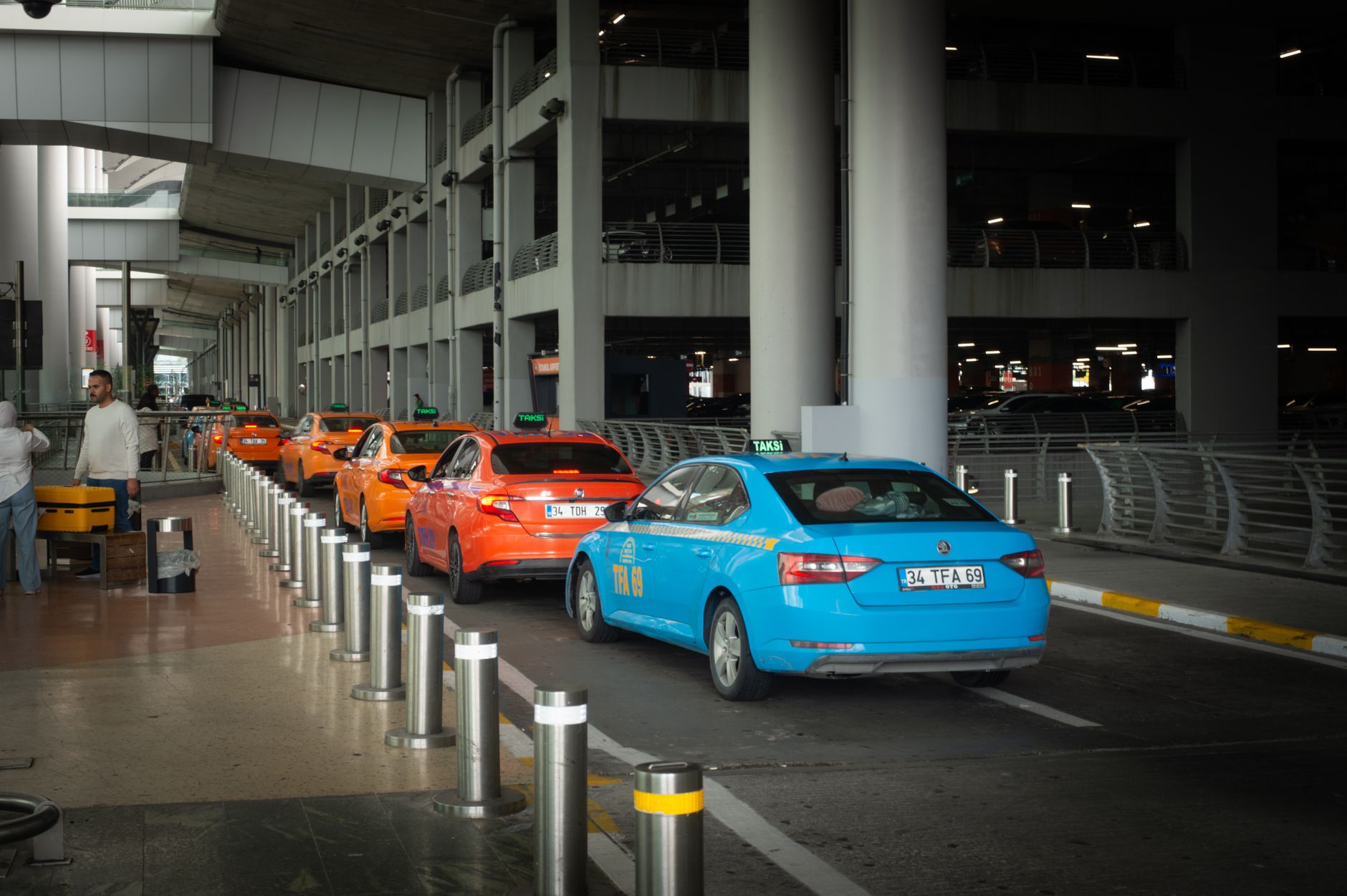
Service quality across hotels, restaurants, and tourist sites shows inconsistency. Implementing standardized training programs for hospitality workers, tour guides, and taxi drivers would elevate experiences. Certification programs and quality ratings help tourists make informed choices while incentivizing service providers to maintain standards.
Sustainable Tourism Development
As India develops its tourism sector, sustainability must remain central. Overcrowding has already damaged fragile ecosystems in Himalayan towns and heritage sites. Experts recommend carrying capacity studies, seasonal pricing to distribute visitor loads, and community-based tourism models that ensure local populations benefit economically while protecting their environment and culture.
Eco-tourism and responsible travel are growing global trends. India's national parks, wildlife sanctuaries, and coastal areas offer immense potential if developed thoughtfully with conservation priorities.
The Path Forward
Unlocking India's tourism potential requires coordinated efforts between central and state governments, private sector stakeholders, and local communities. Clear policy frameworks, adequate funding for infrastructure and marketing, and regular monitoring of implementation will determine success.
The benefits extend beyond economics. Tourism fosters cultural exchange, builds international goodwill, and encourages preservation of heritage sites and traditional crafts. As India positions itself as a global economic power, its tourism sector deserves commensurate attention and investment.
With awareness campaigns that authentically represent India's diversity and policy reforms that ease access and improve experiences, the country could realistically target 20-30 million international arrivals within the next decade, creating millions of jobs and showcasing Indian hospitality to the world.