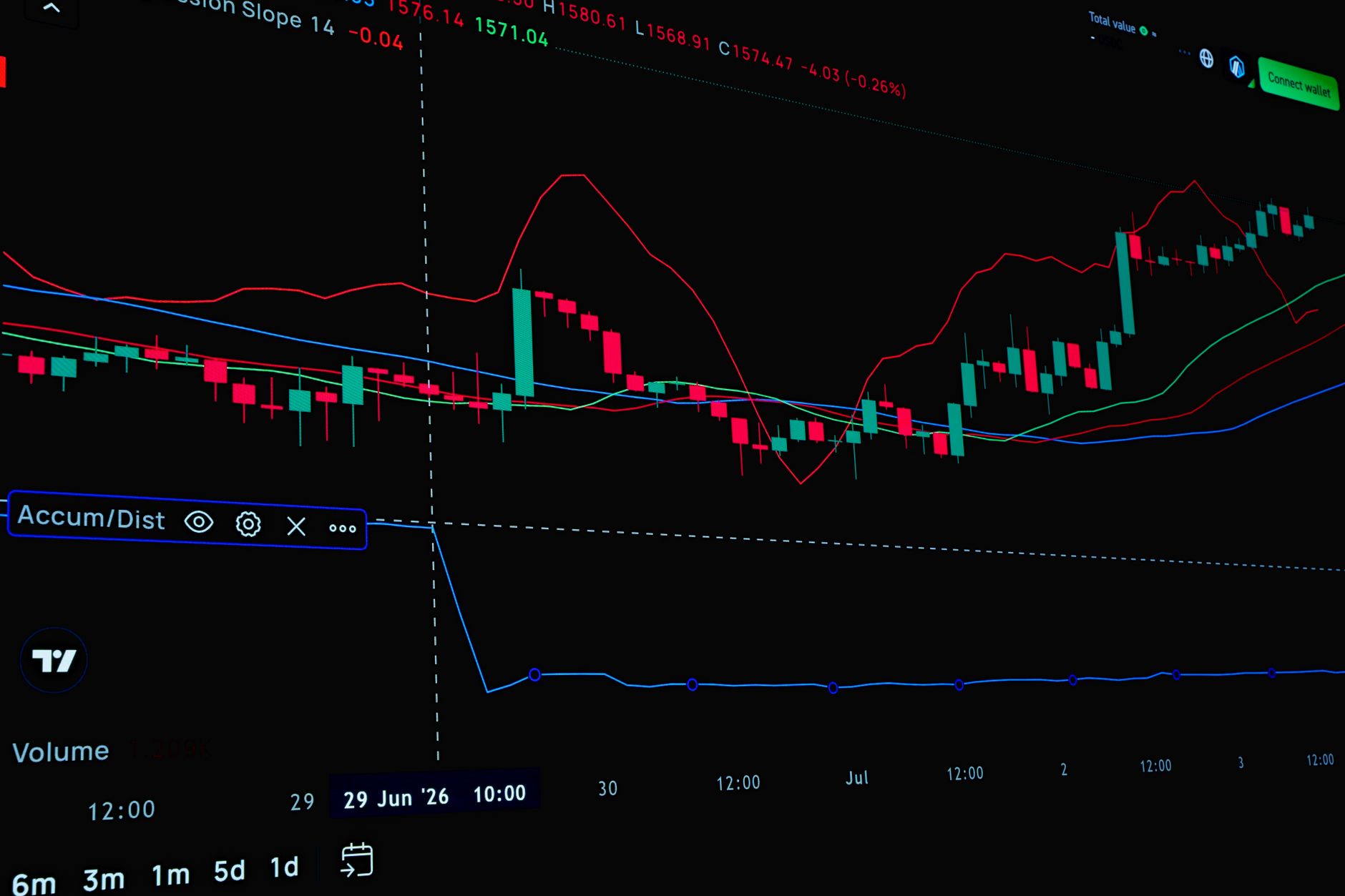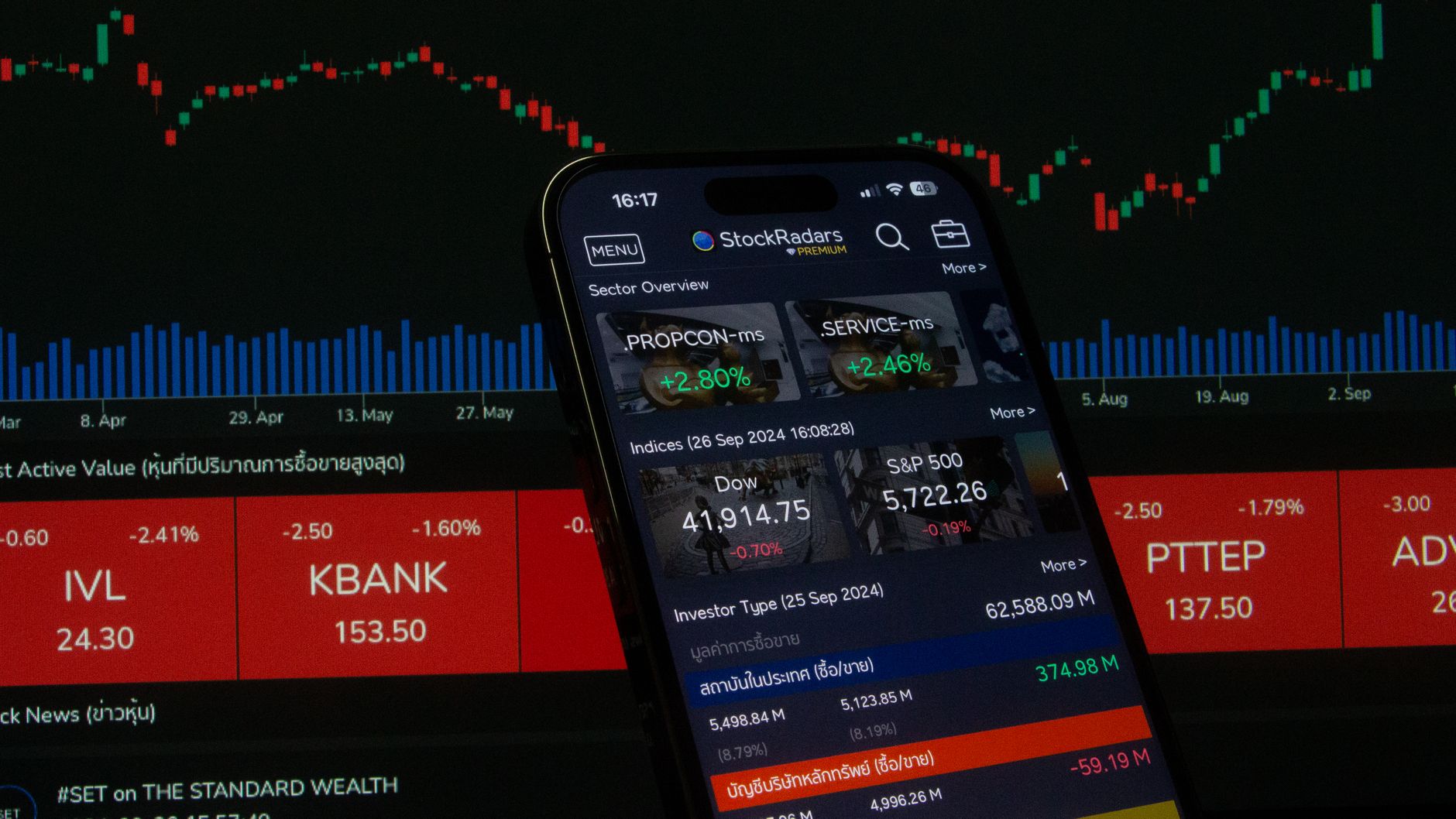
Geopolitical tensions in the Middle East have historically sent ripples through global financial markets, and India's stock market is no exception. As conflicts in the region intensify, investment firms like Goldman Sachs are reassessing their outlook for Indian equities, weighing both the vulnerabilities and strengths of Asia's third-largest economy.
The Oil Price Connection
India imports approximately 85% of its crude oil requirements, making it one of the world's most sensitive economies to Middle Eastern instability. Any disruption to oil supply routes through the Strait of Hormuz or production cuts by major producers can trigger immediate consequences for Indian markets.
When oil prices spike, India faces a dual challenge. First, the current account deficit widens as import bills balloon. Second, inflationary pressures build across the economy, from transportation costs to manufacturing inputs. The Reserve Bank of India may then face difficult choices between controlling inflation and supporting economic growth through interest rate policy.
For equity investors, higher oil prices typically mean compressed profit margins for companies across sectors, from aviation to paints and chemicals. The rupee often weakens against the dollar during such periods, adding another layer of complexity for foreign institutional investors calculating their returns.
Sectoral Winners and Losers
Not all sectors react uniformly to Middle East tensions. Defense and aerospace companies often see their stocks rally as governments increase security spending. Oil refining companies with pricing power may benefit from higher crack spreads, while oil marketing companies with regulated pricing face margin pressures.
The information technology sector, which generates substantial revenue from global clients, typically shows resilience during geopolitical uncertainty. These companies earn primarily in foreign currencies and have limited direct exposure to commodity price fluctuations. Similarly, pharmaceutical exporters often maintain stable performance profiles.
On the flip side, sectors like automobiles, aviation, paints, and logistics face headwinds from elevated input costs. Consumer discretionary spending may soften if inflation erodes purchasing power, affecting retailers and consumer goods manufacturers.
Foreign Investment Flows
India has attracted record foreign portfolio investment in recent years, becoming a preferred destination among emerging markets. However, geopolitical uncertainty can trigger risk-off sentiment globally, prompting foreign investors to reduce exposure to emerging markets including India.
The direction of the US dollar also matters significantly. When Middle East tensions escalate, investors often flee to safe-haven assets like US Treasuries, strengthening the dollar. This makes emerging market assets including Indian stocks relatively less attractive and can trigger capital outflows.
India's Structural Advantages
Despite near-term vulnerabilities, India possesses several structural strengths that support market resilience. The country's domestic consumption story remains intact, with a growing middle class and improving infrastructure. Corporate earnings have shown healthy growth trends, and the banking sector has emerged stronger after years of balance sheet cleanup.
The government's focus on manufacturing through initiatives like Production Linked Incentive schemes is reducing import dependence in select sectors. Digital infrastructure development and formalization of the economy continue to create new investment opportunities independent of external factors.
Additionally, India's strategic petroleum reserves provide some buffer against short-term supply disruptions, while the country has diversified its oil import sources beyond the Middle East to include Russia and other suppliers.
Valuation Considerations
Indian markets have traded at premium valuations compared to other emerging markets, partly justified by superior growth prospects. However, any extended period of elevated oil prices and inflation could challenge these valuations, particularly if earnings growth disappoints.
Investment strategy during such periods often favors quality companies with strong balance sheets, pricing power, and lower commodity sensitivity. Defensive sectors may outperform cyclicals until geopolitical clarity emerges.
The Path Forward
Global investment firms typically maintain medium to long-term positive outlooks on India despite short-term geopolitical noise. The country's demographic dividend, digital transformation, and reform momentum provide compelling reasons for sustained interest.
For Indian retail investors, Middle East tensions serve as reminders to maintain diversified portfolios across sectors and asset classes. Systematic investment approaches tend to perform better than attempting to time market entries and exits based on geopolitical headlines.
While volatility may increase during periods of heightened Middle East tensions, India's fundamental economic trajectory remains driven primarily by domestic factors and structural reforms rather than external geopolitical events.
This article is for general information purposes only and should not be considered investment advice. Readers should conduct their own research and consult qualified financial advisors before making investment decisions. Market conditions can change rapidly, and past performance does not guarantee future results.