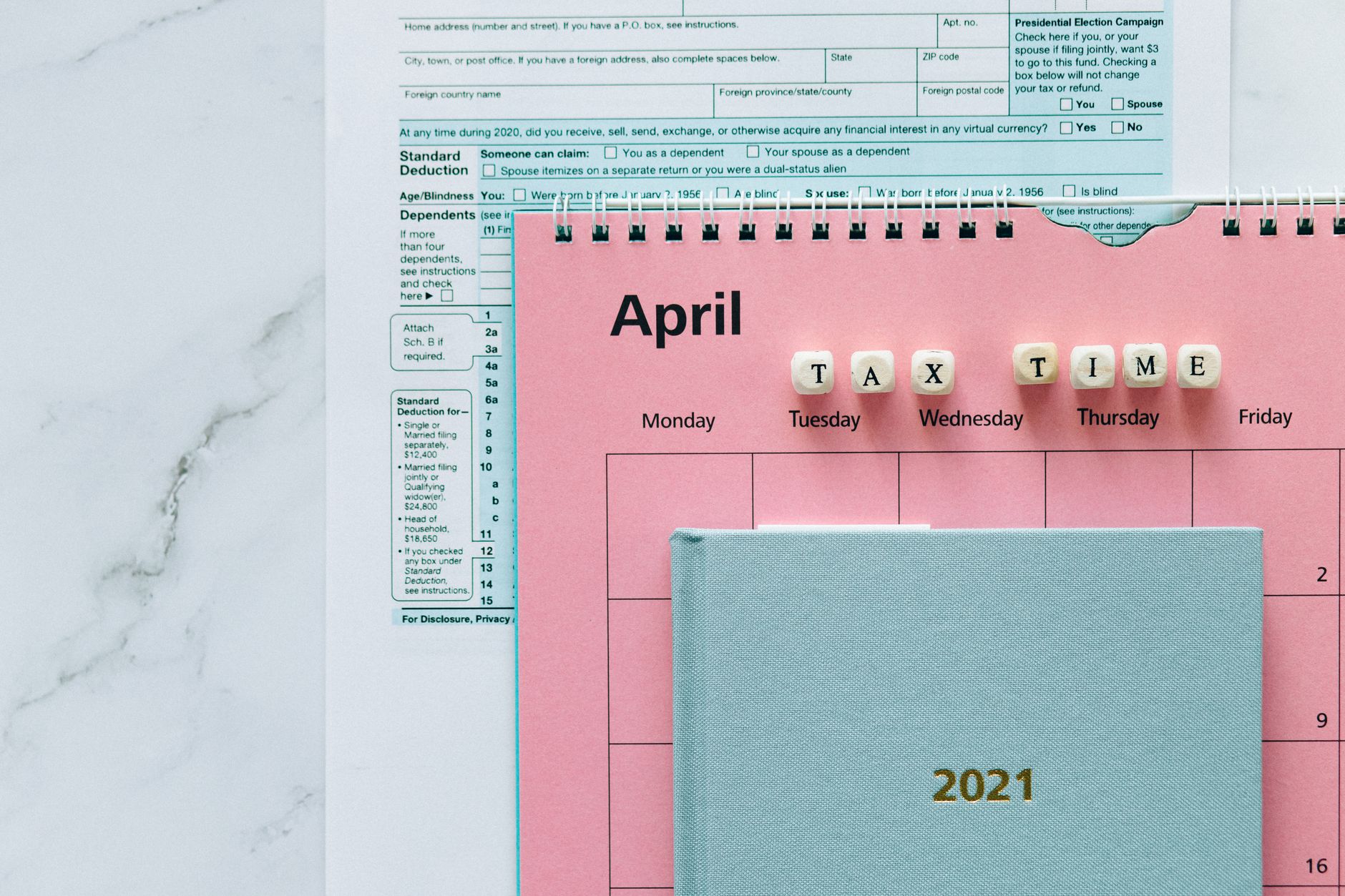
Every year on July 24, India observes Income Tax Day, also known as Aaykar Diwas, to mark a significant milestone in the country's fiscal history. This day commemorates the introduction of income tax in India and acknowledges the vital role taxpayers play in the nation's development and progress.
The Historical Origins of Income Tax in India
Income tax was first introduced in India on July 24, 1860, by Sir James Wilson, the then Finance Member of the Viceroy's Council. The tax was initially implemented to compensate for the financial losses incurred during the First War of Independence in 1857, also known as the Sepoy Mutiny. The British colonial government needed additional revenue to stabilize the economy and replenish depleted reserves.
The initial income tax was levied as a temporary measure, but it became a permanent fixture of India's taxation system due to its effectiveness in revenue generation. Over the decades, the income tax framework has evolved considerably, adapting to the changing economic landscape and governance needs of independent India.
Evolution of India's Income Tax System
Post-independence, India's income tax system underwent significant transformations. The Income Tax Act of 1961 replaced the earlier 1922 Act, providing a more comprehensive and organized framework for direct taxation. This Act, with numerous amendments over the years, continues to govern income tax administration in India today.
The Central Board of Direct Taxes (CBDT), established under the Central Board of Revenue Act 1963, functions as the apex body for administering direct tax laws in India. It operates under the Department of Revenue in the Ministry of Finance and is responsible for formulating policies, implementing tax laws, and ensuring efficient tax collection.
Significance of Aaykar Diwas
Income Tax Day holds multiple layers of significance for India's economy and governance:
- It recognizes and appreciates the contribution of honest taxpayers who fulfill their civic duty and contribute to national development
- The day serves as a reminder of the social contract between citizens and the state, where taxes fund public infrastructure, healthcare, education, and welfare programs
- It provides an opportunity to educate citizens about their tax obligations and the importance of compliance
- The occasion is used to highlight improvements in tax administration and the simplification of tax processes
- It promotes transparency and accountability in the tax collection and utilization system
How Income Tax Day is Observed
The Income Tax Department and CBDT organize various programs and initiatives on Aaykar Diwas across the country. These typically include:
- Recognition ceremonies honoring tax officials and taxpayers for outstanding contributions
- Workshops and seminars on tax awareness and compliance
- Launch of new taxpayer-friendly initiatives and digital services
- Release of tax-related publications and educational materials
- Press conferences highlighting annual tax collection achievements and policy updates
The Modern Tax Landscape in India
India's tax system has undergone remarkable digitization in recent years. The introduction of electronic filing, the Permanent Account Number (PAN) system, and the Tax Deduction at Source (TDS) mechanism have made compliance more straightforward and transparent.
The government has also implemented various reforms to widen the tax base and reduce tax evasion. Initiatives like demonetization, the Goods and Services Tax (GST), and data analytics have enhanced the government's ability to track financial transactions and ensure better compliance.
The Taxpayer's Role in Nation Building
Income tax revenue constitutes a substantial portion of the government's receipts and directly funds development projects. From building roads and railways to supporting education and healthcare systems, tax contributions enable the government to provide essential services and infrastructure.
During the COVID-19 pandemic, for instance, tax revenues helped fund vaccination drives, medical infrastructure, and economic relief packages. This demonstrated the critical importance of a robust tax system in times of national crisis.
Looking Ahead
As India aspires to become a developed nation by 2047, the role of taxation and taxpayer participation becomes increasingly crucial. The government continues to work toward making tax compliance simpler, reducing litigation, and building trust between taxpayers and the tax administration.
Income Tax Day 2026 serves as both a celebration of past achievements and a commitment to future progress, reinforcing the partnership between citizens and the state in building a prosperous India.
This article is for general informational purposes only and should not be considered as professional tax advice. Tax laws and regulations are subject to change, and individual circumstances vary. Readers are advised to consult qualified tax professionals or the Income Tax Department for specific guidance regarding their tax obligations and compliance requirements.