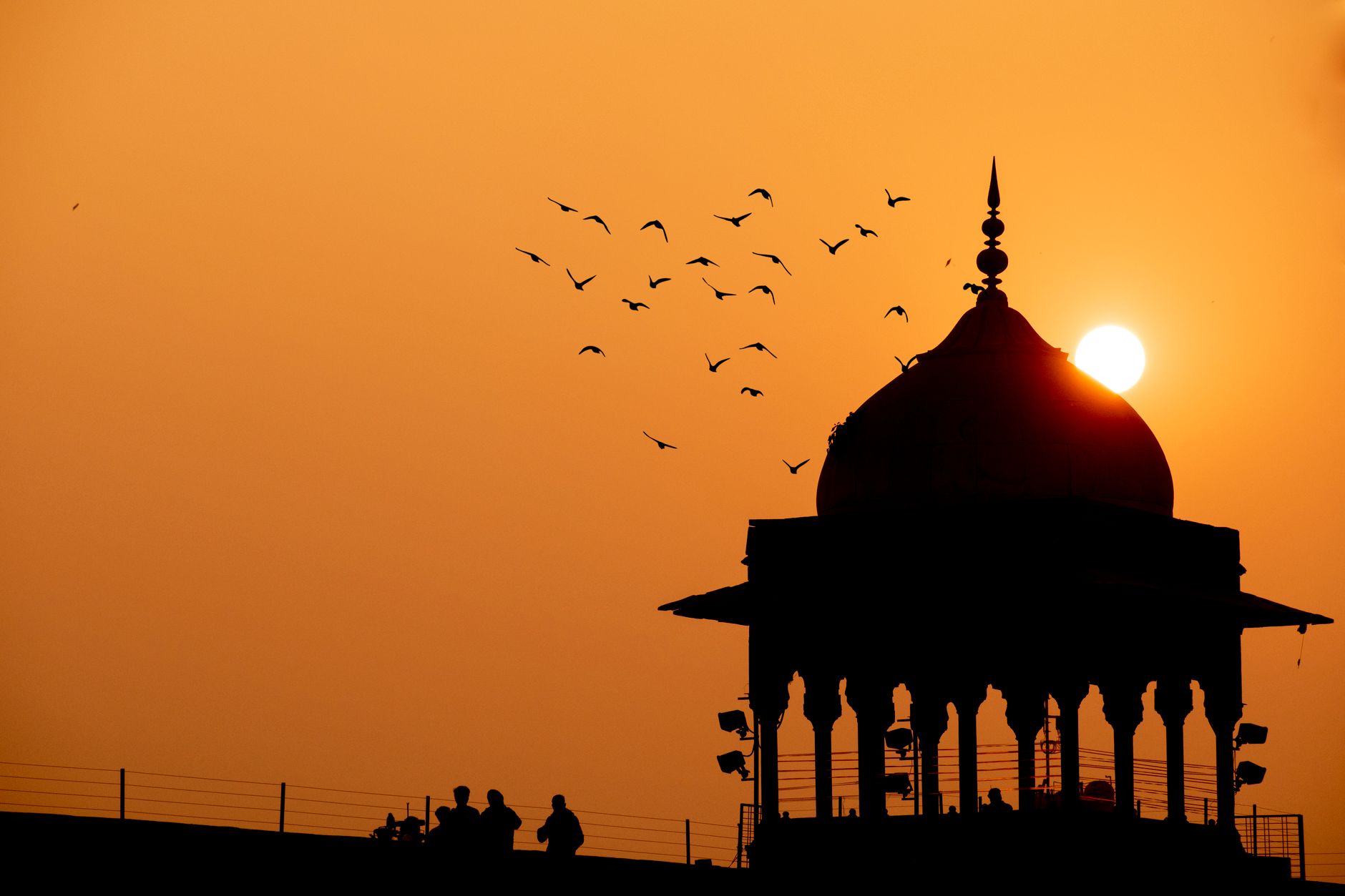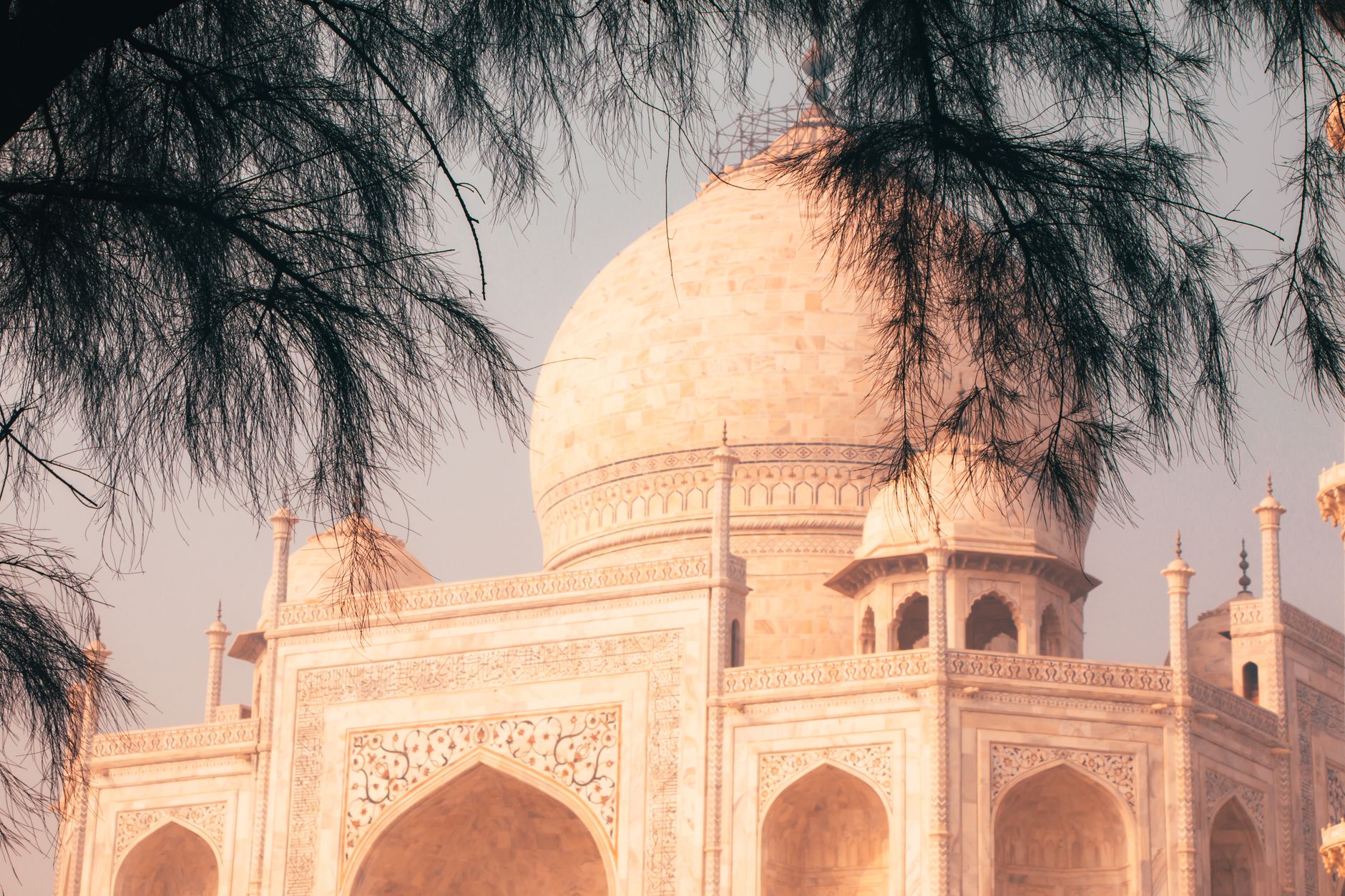
India is making a strategic push to transform its tourism landscape by 2026, with Maharashtra leading the charge at the recently held WOW Awards Asia. The state's tourism board unveiled an ambitious roadmap focusing on MICE travel, destination weddings, and UNESCO World Heritage sites, signaling a coordinated effort to position India as a premier global tourism destination.
What is MICE Tourism and Why Does It Matter
MICE stands for Meetings, Incentives, Conferences, and Exhibitions—a lucrative segment of business tourism that generates significantly higher revenue per visitor compared to leisure travel. Business travelers typically spend three to four times more than regular tourists, making MICE tourism a priority for countries looking to boost their tourism economies.
India currently captures only a small fraction of the global MICE market, which is valued at over 800 billion dollars annually. By developing world-class convention centers, luxury accommodations, and seamless connectivity, Maharashtra and other Indian states aim to attract international conferences, trade shows, and corporate events that bring thousands of delegates at once.
Maharashtra's Competitive Advantages
Maharashtra possesses several natural advantages that make it ideal for the MICE and destination wedding markets. Mumbai, the state's capital, serves as India's financial hub with existing infrastructure including the Jio World Convention Centre and Bombay Exhibition Centre. The state also boasts diverse landscapes ranging from coastal regions in Konkan to hill stations like Lonavala and Mahabaleshwar.
The state is home to multiple UNESCO World Heritage Sites including the Ajanta and Ellora Caves, Chhatrapati Shivaji Terminus, and the Victorian Gothic and Art Deco Ensembles of Mumbai. These cultural treasures provide unique venues and experiences that can differentiate Indian destinations from competitors in Southeast Asia and the Middle East.
The Destination Wedding Opportunity
India's destination wedding market has exploded in recent years, with domestic couples increasingly choosing elaborate multi-day celebrations at heritage properties, beach resorts, and palace hotels. The market is estimated to be worth several billion dollars annually and growing at double-digit rates.
International couples are also discovering India as an exotic wedding destination. Udaipur, Jaipur, and Goa have become popular choices, but Maharashtra is positioning properties like heritage forts, vineyard resorts in Nasik, and luxury beach hotels in Alibaug as alternatives. The state offers the advantage of proximity to Mumbai's international airport, making logistics easier for guests traveling from abroad.
Infrastructure Developments Supporting Growth
The 2026 target timeline aligns with several major infrastructure projects nearing completion. These include:
- Expansion of Mumbai's international airport and the development of Navi Mumbai International Airport
- Improved highway connectivity between major cities and tourist destinations
- Development of coastal tourism circuits and adventure tourism facilities
- Upgradation of heritage sites with better visitor amenities and digital experiences
- New luxury hotel properties from international chains
The government has also streamlined visa processes and introduced e-visa facilities for citizens of over 160 countries, making it easier for international tourists and business travelers to visit India on short notice.
Challenges That Need Addressing
Despite the ambitious plans, several challenges remain. Infrastructure gaps in tier-two and tier-three cities can make hosting large-scale conferences difficult. Sustainability concerns need to be addressed, particularly regarding overtourism at popular heritage sites and environmental impact at destination wedding venues.
Service quality and skilled manpower are other areas requiring attention. The hospitality sector needs trained professionals who understand international standards and can deliver consistent experiences. Language barriers, though diminishing, still exist in areas outside major metros.
Economic Impact and Job Creation
If successful, the tourism push could create millions of jobs across hospitality, transportation, event management, and related services. Tourism has a multiplier effect on the economy, benefiting local artisans, food suppliers, transportation providers, and small businesses.
The MICE segment alone could attract thousands of events annually, bringing foreign exchange and showcasing Indian capabilities in hosting world-class gatherings. Combined with the destination wedding boom and heritage tourism growth, India's tourism sector could become one of the largest contributors to GDP by 2030.
Maharashtra's showcase at the WOW Awards Asia represents more than state-level promotion—it signals India's readiness to compete seriously in the global tourism marketplace with a diversified offering that goes beyond traditional sightseeing to capture high-value business and experiential travel segments.