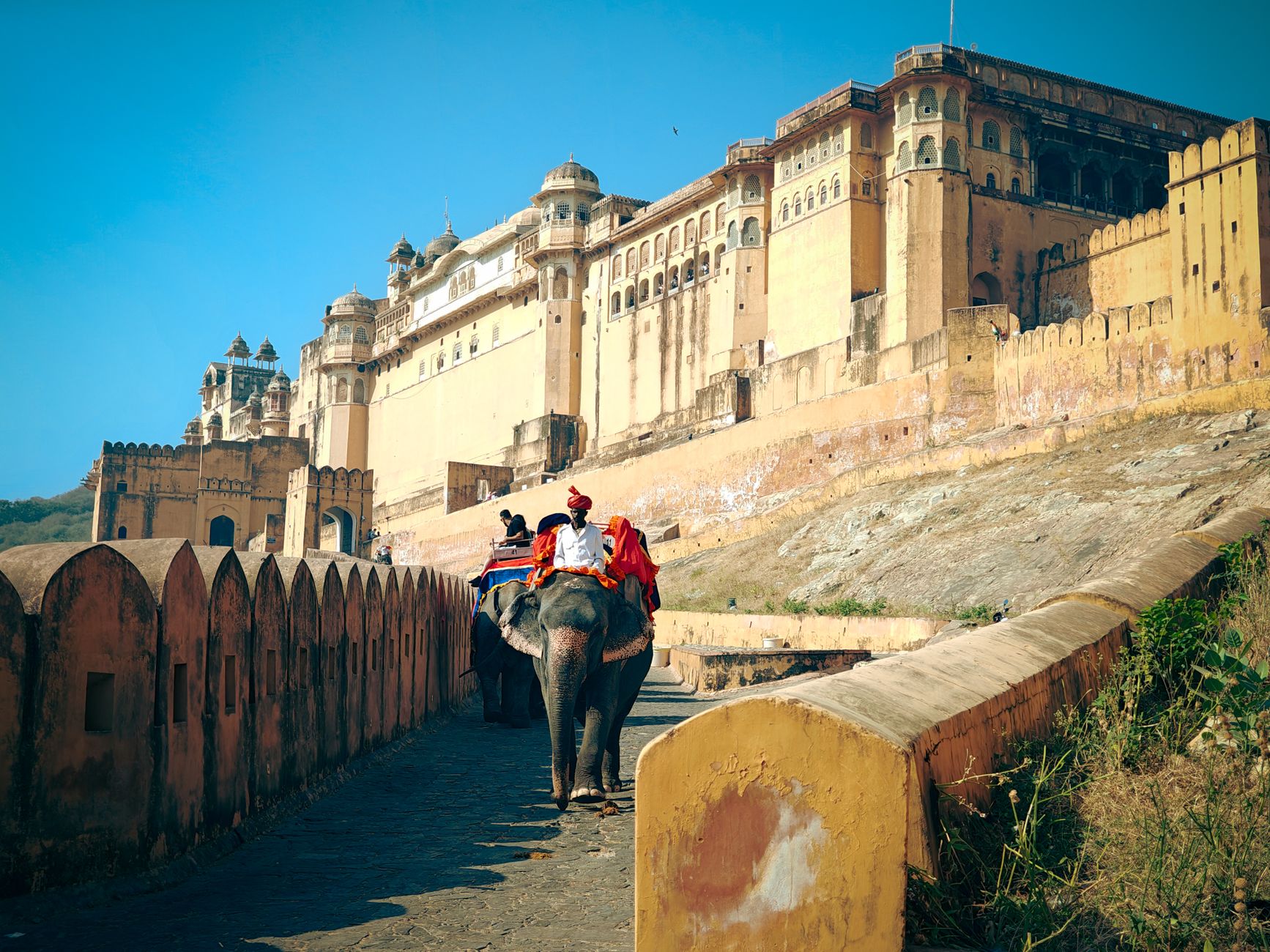
The Indian government has unveiled a new digital initiative designed to leverage the popularity of streaming content to boost tourism. The 'As Seen on Netflix' section on the official Incredible India portal marks a strategic partnership between the Ministry of Tourism and the streaming giant, tapping into the burgeoning phenomenon of screen tourism—where viewers visit real-world locations featured in their favourite films and series.
What Is Screen Tourism
Screen tourism, also known as film-induced tourism or set-jetting, refers to travellers visiting destinations specifically because they appeared in movies, television shows, or streaming series. This trend has gained significant momentum in recent years, with locations from popular shows experiencing substantial increases in visitor numbers. From New Zealand's Hobbiton to Croatia's Dubrovnik—known to millions as King's Landing from Game of Thrones—screen tourism has proven to be a powerful economic driver.
Industry estimates suggest that screen tourism contributes billions to global tourism revenues annually. Destinations featured in popular content often see visitor increases ranging from 25% to over 300% in the years following a show's release.
How the Portal Works
The new section on the Incredible India website serves as a curated guide for tourists interested in visiting locations featured in Netflix productions filmed in India. The portal provides detailed information about filming locations, including:
- Exact addresses and GPS coordinates of featured sites
- Historical and cultural context about each location
- Practical visitor information such as opening hours, entry fees, and best times to visit
- Transportation options and nearby accommodation
- Photo galleries comparing scenes from shows with real-life locations
- Links to local tour operators offering themed experiences
The initiative covers a range of Netflix productions that have showcased India's diverse landscapes, from the bustling streets of Mumbai to the serene backwaters of Kerala, and from Rajasthan's desert palaces to the Himalayan foothills.
Why This Matters for Indian Tourism
India's tourism sector, which contributes approximately 6-7% to the country's GDP, has been seeking innovative ways to attract international visitors beyond traditional circuits. Screen tourism offers several advantages:
The initiative targets younger, experience-seeking travellers who are heavily influenced by digital content. Millennials and Gen Z tourists often plan trips based on social media and streaming content, making this demographic particularly receptive to screen tourism marketing.
Unlike conventional tourism campaigns, screen content provides authentic, immersive previews of destinations. When viewers watch engaging stories set in real locations, they develop emotional connections that traditional advertisements struggle to achieve.
Screen tourism also promotes lesser-known destinations. While international tourists typically concentrate on the Golden Triangle or beach destinations, Netflix productions have featured numerous offbeat locations, potentially distributing tourism benefits more evenly across the country.
Challenges and Opportunities
The success of this initiative will depend on several factors. Infrastructure at featured locations must be adequate to handle increased visitor volumes without degrading the visitor experience or harming local communities. Some filming locations may be in areas with limited tourism facilities, requiring coordinated development efforts.
Local communities at featured destinations need preparation and training to benefit from increased tourism. Without proper planning, screen tourism can lead to overcrowding, environmental degradation, and cultural commodification.
The government will also need to ensure regular updates to the portal, adding new locations as fresh content releases and maintaining accurate, current information about visitor access and facilities.
The Global Context
India joins a growing list of countries actively promoting screen tourism. South Korea has successfully leveraged its television dramas to attract millions of tourists, while the United Kingdom has long promoted locations from productions like Harry Potter and Downton Abbey. New Zealand's tourism board famously worked closely with the Lord of the Rings production, creating a partnership that continues to drive tourism decades later.
The collaboration between India's tourism ministry and Netflix represents a modern approach to destination marketing, recognizing that entertainment content has become one of the most influential factors in travel decision-making for contemporary tourists.
As streaming platforms continue expanding their regional content libraries and India's film and television industry grows its global footprint, screen tourism could become an increasingly significant component of the country's tourism strategy, potentially drawing millions of additional visitors annually to destinations they first discovered on their screens.