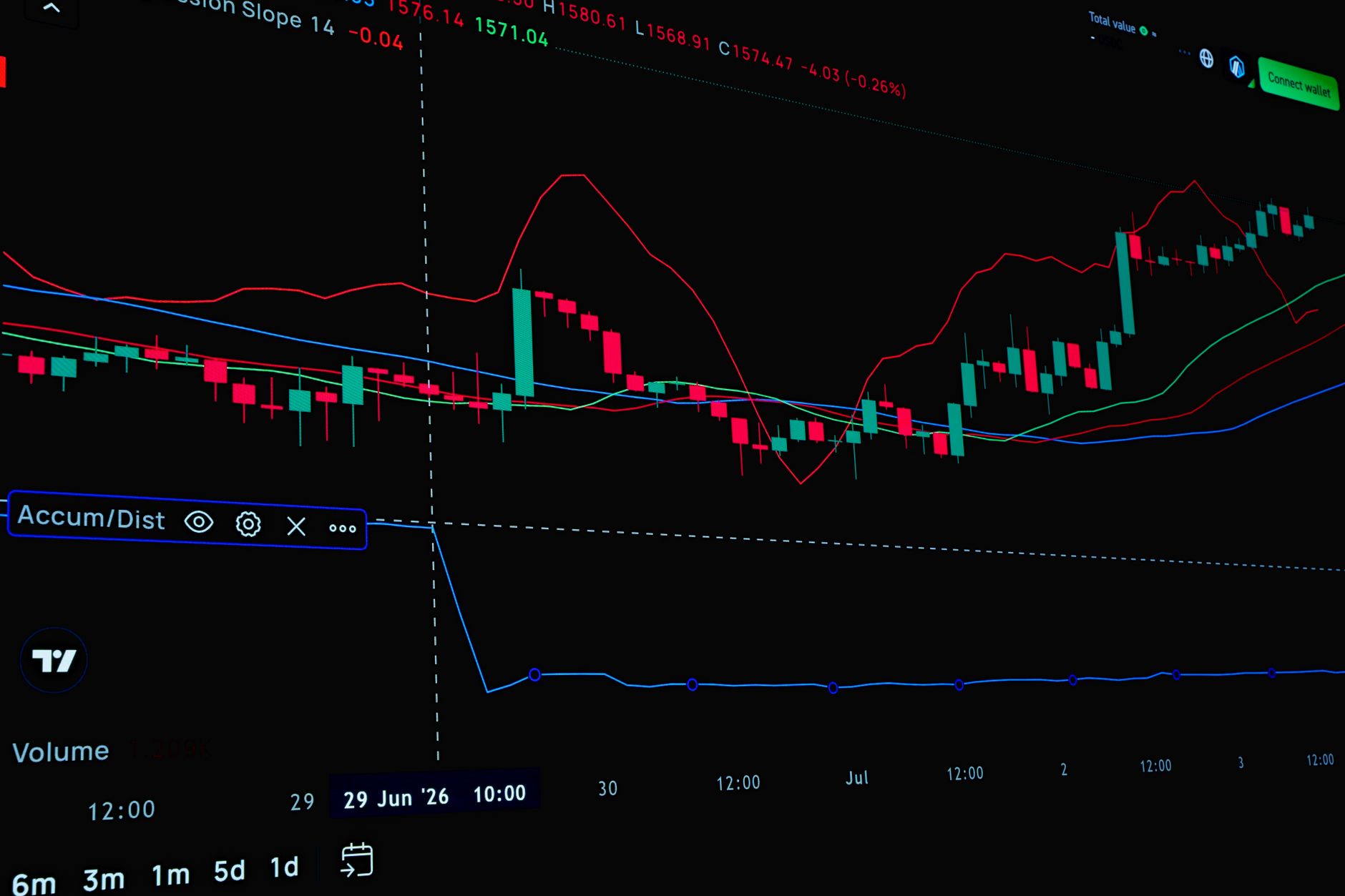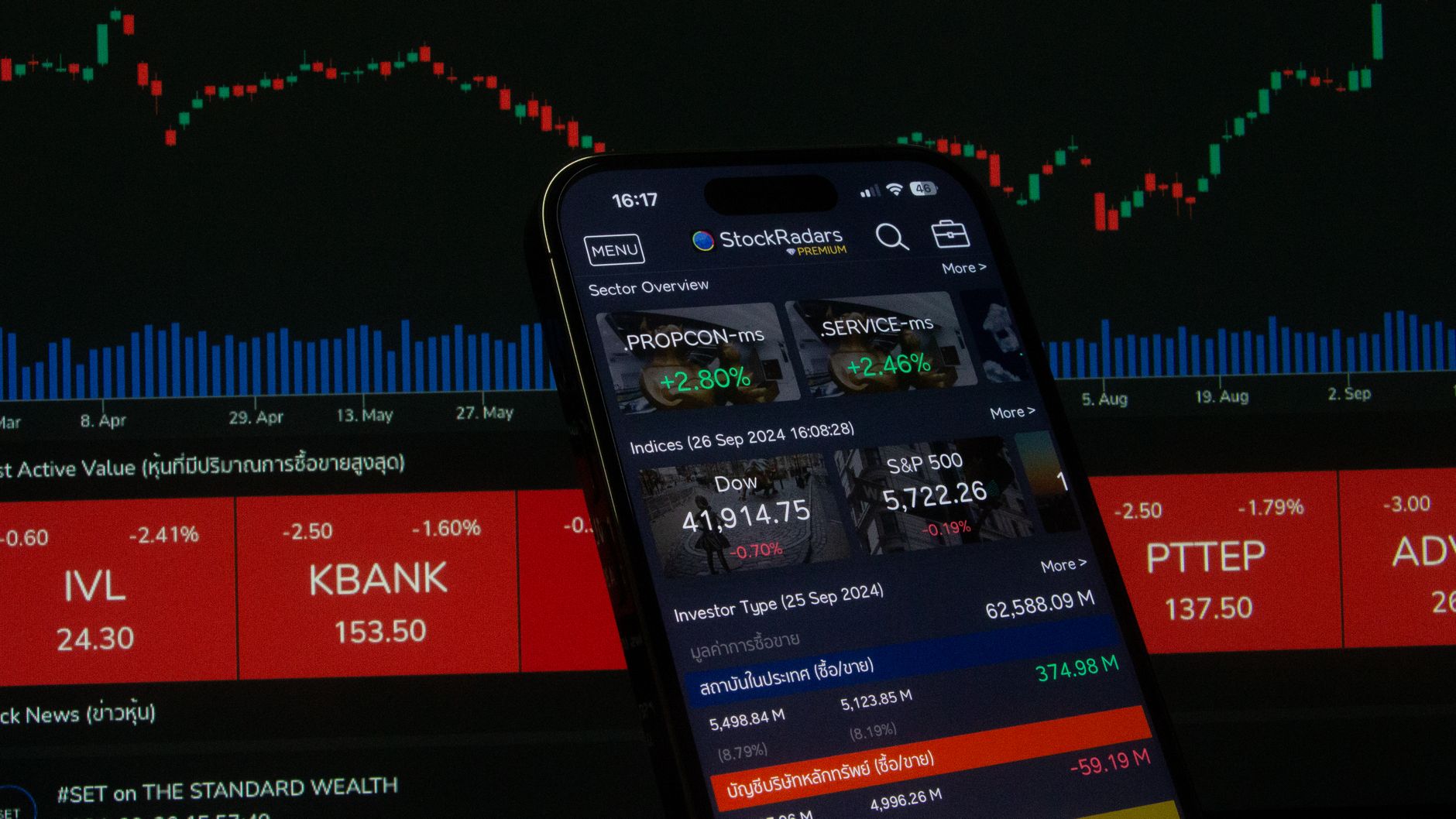
Indian stock markets defied conventional wisdom today by opening higher even as crude oil prices continued their upward march in global markets. This divergence highlights the complex interplay between domestic sentiment, corporate performance, and external economic factors that drive market movements.
Understanding the Oil Price-Market Relationship
Traditionally, rising oil prices are viewed as negative for India's equity markets. As a nation that imports approximately 85 percent of its crude oil requirements, higher oil prices directly impact the country's current account deficit and put pressure on the rupee. Additionally, elevated fuel costs can trigger inflationary pressures, squeeze corporate margins, and dampen consumer spending power.
However, markets do not always move in predictable patterns. Today's positive opening suggests that investors are weighing other factors more heavily than the oil price concern.
Factors Supporting Market Optimism
Several elements may be contributing to the bullish sentiment despite oil headwinds:
- Strong domestic economic indicators showing resilience in manufacturing and services sectors
- Positive corporate earnings reports or expectations for the ongoing quarter
- Robust foreign institutional investor inflows into Indian equities
- Expectations of continued economic reforms and infrastructure spending
- Technical factors and short-covering after recent corrections
- Global risk appetite improving despite regional concerns
The Indian economy has demonstrated remarkable resilience in recent quarters, with GDP growth outpacing many developed markets. This fundamental strength provides a cushion against external shocks like rising commodity prices.
Sector-Specific Impacts
Rising oil prices do not affect all sectors equally. While transportation, paint, and tire companies typically face margin pressures, certain sectors can actually benefit. Oil and gas exploration companies, for instance, see improved profitability. Refiners may benefit depending on their refining margins, though this relationship is complex.
The broader market's ability to rise despite oil concerns suggests that gains in less oil-sensitive sectors are offsetting weakness elsewhere. Technology, pharmaceuticals, and financial services companies, which form a substantial portion of benchmark indices, are largely insulated from direct oil price impacts.
What This Means for Retail Investors
For individual investors, days like today offer important lessons about market complexity. Single-factor analysis rarely captures the full picture. While it is important to monitor global commodity prices, they represent just one variable in a multifaceted equation.
Investors should consider their investment horizon and strategy. Short-term traders might capitalize on intraday volatility, while long-term investors should focus on fundamental business quality and valuation rather than daily price movements driven by global commodity fluctuations.
Managing Portfolio Risk
Given the persistent uncertainty around oil prices and global economic conditions, diversification remains crucial. A well-constructed portfolio should include:
- A mix of sectors with varying sensitivity to oil prices
- Balance between growth and value stocks
- Exposure to both domestic-focused and export-oriented companies
- Quality companies with strong balance sheets that can weather input cost pressures
Additionally, investors might consider systematic investment plans rather than attempting to time market entries based on daily movements.
Looking Ahead
The sustainability of today's gains will depend on multiple factors including crude oil's trajectory, monsoon progress affecting agricultural output, inflation data, central bank policy signals, and global economic developments. Corporate earnings announcements in coming weeks will provide crucial insights into how companies are managing cost pressures.
Market participants will also closely watch the rupee's movement, as currency depreciation could amplify the impact of higher oil prices on import bills and inflation.
The ability of Indian markets to rise despite challenging external conditions reflects investor confidence in the country's long-term growth story. However, maintaining perspective and avoiding overreaction to single-day movements remains essential for investment success.
This article is for general informational purposes only and should not be considered financial advice. Market conditions can change rapidly, and past performance does not guarantee future results. Investors should conduct thorough research and consider consulting with a qualified financial advisor before making investment decisions.