India's tourism sector stands at a crossroads, with immense potential waiting to be unlocked through strategic policy reforms and infrastructure improvements. The World Travel & Tourism Council has identified visa facilitation and connectivity enhancement as two critical pillars that could transform India into a more competitive global tourism destination.
The Current State of Indian Tourism
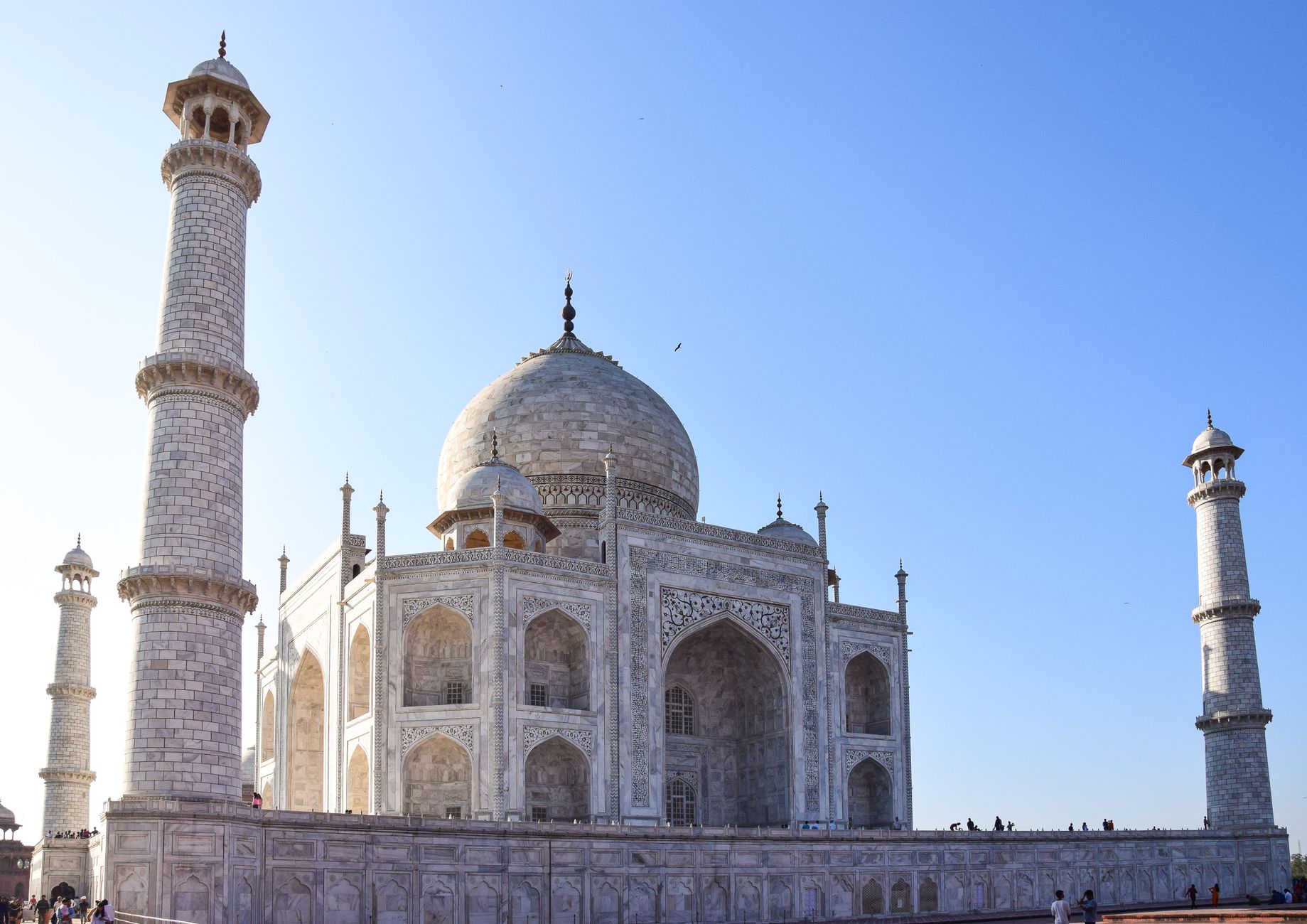
India welcomed approximately 9 million foreign tourists in 2023, a figure that pales in comparison to tourism powerhouses like Thailand, which attracts over 40 million visitors annually. Despite boasting UNESCO World Heritage sites, diverse landscapes ranging from the Himalayas to tropical beaches, and a rich cultural tapestry spanning millennia, India captures only a fraction of global tourism arrivals.
The gap between potential and reality stems largely from systemic challenges that create friction for international travelers. Many visitors cite complicated visa procedures, limited direct flight connectivity to tier-2 and tier-3 destinations, and inadequate tourism infrastructure as major deterrents.
The Visa Challenge
India's e-visa system, launched in 2014, represented a significant step forward in simplifying tourist access. However, several obstacles remain. Processing times can be unpredictable, with some travelers experiencing delays during peak seasons. The system sometimes faces technical glitches, and the fee structure remains higher than many competing destinations in Southeast Asia.
Countries like Thailand, Vietnam, and Indonesia have implemented visa-on-arrival or visa-free entry for dozens of nationalities, creating seamless entry experiences. Thailand's recent move to extend visa-free entry to Indian tourists demonstrates the competitive pressure in the region. For India to capture a larger share of global tourism, reciprocal ease of access becomes essential.
Connectivity Gaps Holding Back Growth
While major metros like Delhi, Mumbai, and Bangalore enjoy extensive international connectivity, India's incredible diversity of tourist attractions remains largely inaccessible through direct international flights. Destinations like Varanasi, Goa, Kerala, Rajasthan's heritage cities, and the Northeast states require multiple connections, adding time, cost, and complexity to travel itineraries.
Domestic connectivity also needs strengthening. Regional airports require upgrades, and air travel costs within India remain relatively high compared to ground transportation, making multi-city tours less attractive. The railway network, though extensive, needs modernization to meet international tourist expectations for comfort and reliability.
Infrastructure Beyond Transportation
Tourism infrastructure extends beyond just getting to a destination. India needs to address accommodation quality across price points, develop tourist-friendly public transportation in cities, improve multilingual signage and information systems, and enhance safety measures particularly for solo and female travelers.
Many smaller destinations lack adequate tourism facilities. Hotels meeting international standards remain concentrated in major cities, while emerging destinations struggle with limited quality accommodation options. Public amenities like clean restrooms, tourist information centers, and well-maintained attractions require significant investment.
The Economic Opportunity
Tourism represents one of India's fastest-growing economic sectors, contributing approximately 6-7 percent to GDP and employing millions across hospitality, transportation, retail, and cultural sectors. The multiplier effect of tourism spending ripples through local economies, supporting artisans, guides, drivers, and small businesses.
Countries that have prioritized tourism development show remarkable results. Thailand's tourism sector contributes nearly 20 percent to its GDP. Spain, despite having a smaller population than India, generates over 150 billion dollars annually from tourism. India's potential market is arguably larger given its cultural wealth and geographic diversity.
Policy Recommendations
Streamlining visa processes through technology upgrades, expanding visa-on-arrival facilities at more airports, and reducing processing fees would immediately improve accessibility. Creating special tourism development zones with tax incentives could accelerate infrastructure development in emerging destinations.
Public-private partnerships could address connectivity gaps, with government support for launching new international routes to tier-2 cities. Investment in tourism-specific infrastructure, from convention centers to heritage site management, requires coordinated efforts between central and state governments.
Looking Forward
India's tourism transformation requires sustained commitment from policymakers, industry stakeholders, and local communities. Success stories like Kerala's responsible tourism initiatives and Rajasthan's heritage hotel conversions demonstrate what focused efforts can achieve.
The global tourism landscape is increasingly competitive, with destinations worldwide vying for traveler attention and spending. India's unique offerings provide a strong foundation, but removing barriers to access and improving visitor experiences will determine whether the country realizes its tourism potential in the coming decade.