India's tourism sector stands at a critical juncture where traditional promotional strategies may no longer suffice to capture the attention and loyalty of modern travelers. Government officials are now advocating for a fundamental shift in approach—from simply promoting India as a tourist destination to building genuine destination competitiveness that can rival global tourism leaders.
The Limitations of Promotion-Focused Strategies
For decades, India has invested in advertising campaigns showcasing its rich cultural heritage, diverse landscapes, and historical monuments. While these efforts have created awareness, they haven't always translated into sustained tourism growth or positive visitor experiences. Promotional campaigns can attract first-time visitors, but without competitive infrastructure and service quality, they rarely create repeat tourists or positive word-of-mouth recommendations.
The gap between marketing promises and ground realities has often led to disappointed tourists who encounter overcrowded sites, inadequate facilities, inconsistent service standards, and challenging logistics. This disconnect highlights why promotion alone cannot build a sustainable tourism economy.
What Destination Competitiveness Actually Means
Destination competitiveness encompasses multiple dimensions that work together to create a compelling and seamless travel experience. This includes modern transportation networks that make moving between attractions efficient and comfortable, accommodation options that meet international quality standards across price points, and well-maintained tourist sites with proper amenities.
Beyond physical infrastructure, competitiveness requires professional training for hospitality workers, reliable digital connectivity, transparent pricing practices, and robust safety measures. It also involves regulatory frameworks that facilitate easy visa processes, protect tourists from exploitation, and ensure environmental sustainability.
Countries like Singapore, Thailand, and the UAE have demonstrated that investing in these foundational elements creates destinations that market themselves through satisfied visitors and strong international rankings.
Current Challenges Facing Indian Tourism
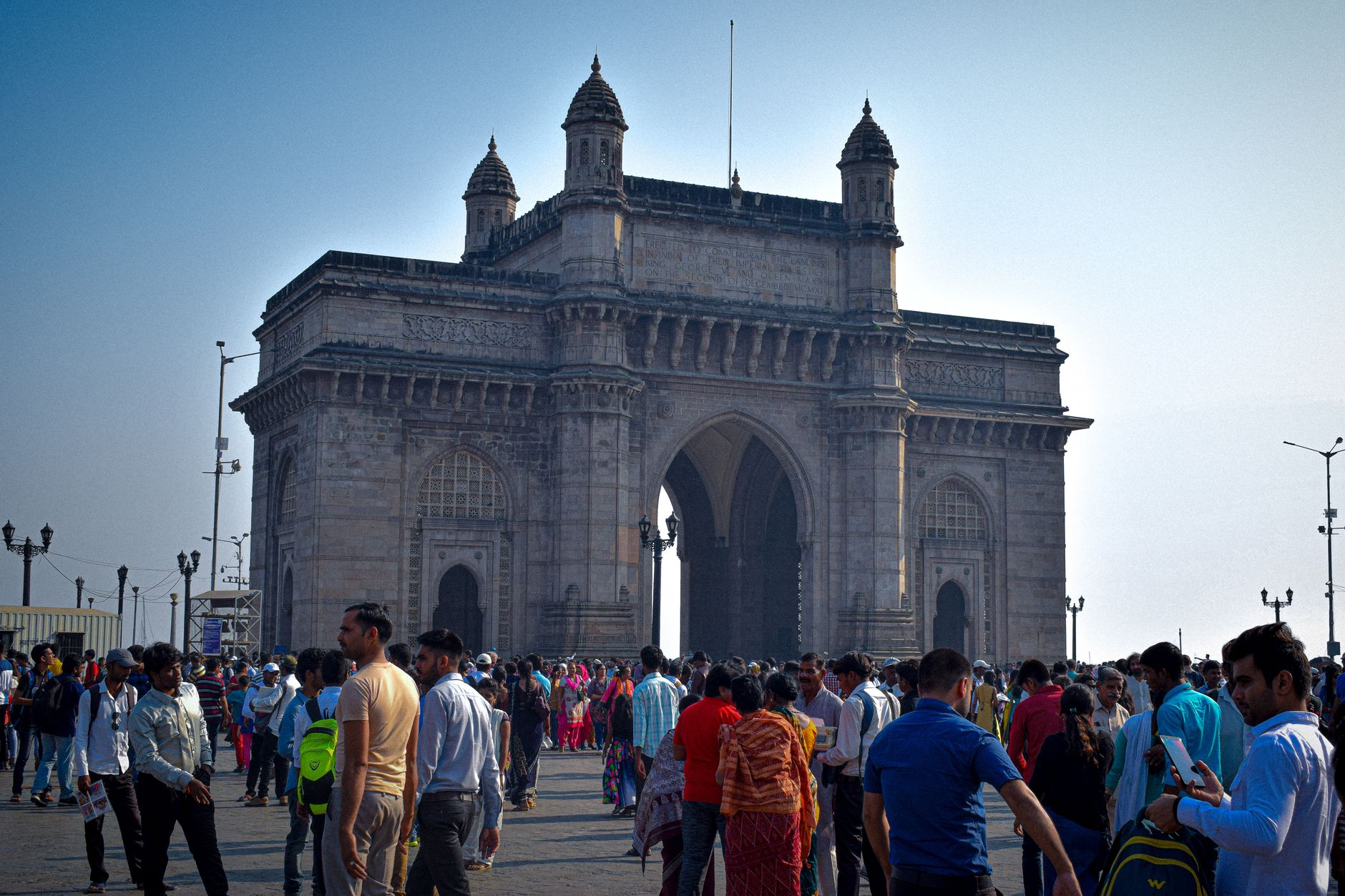
India faces several competitiveness challenges that limit its tourism potential despite its inherent attractions. Many popular destinations struggle with overcrowding and lack of crowd management systems. Basic amenities like clean restrooms, drinking water facilities, and clear signage are often inadequate at major tourist sites.
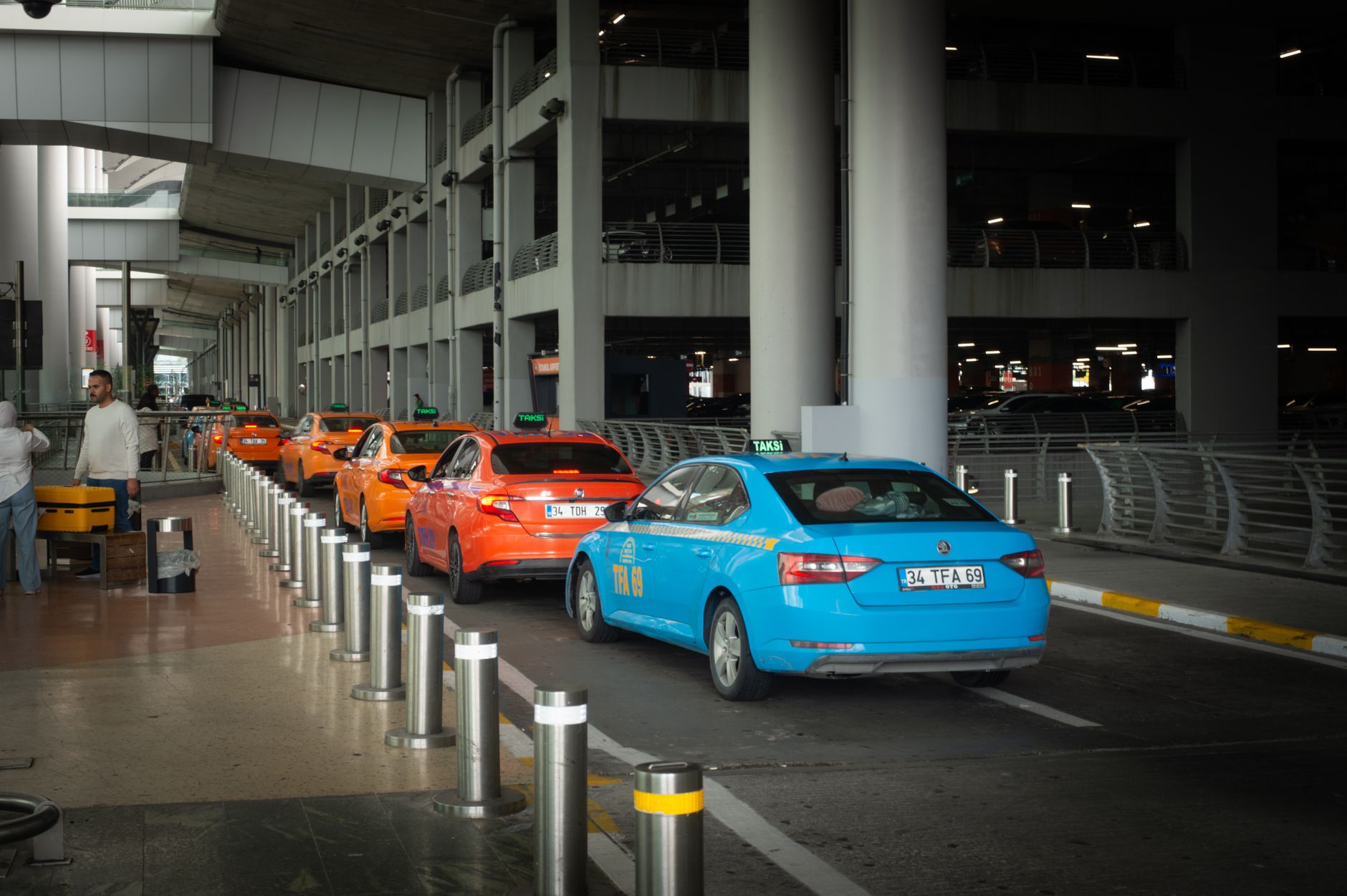
Transportation between cities and tourist attractions remains complicated for international visitors unfamiliar with local systems. While metro connectivity has improved in major cities, last-mile connectivity to actual tourist sites often involves negotiating with unmetered taxis or navigating confusing local transport options.
Service quality inconsistency presents another challenge. While India has world-class hotels and tour operators, the broader ecosystem of restaurants, local guides, and street vendors often lacks standardized quality benchmarks and pricing transparency.
Building Blocks of Competitive Tourism
Developing destination competitiveness requires coordinated action across multiple areas. Infrastructure development must prioritize tourist corridors with improved roads, reliable public transport, and modern airports with efficient immigration processes. Digital infrastructure enabling cashless payments, online bookings, and real-time information access has become essential for modern travelers.
Human capital development through systematic training programs can elevate service standards across the tourism value chain. This includes language training, cultural sensitivity programs, and professional certification for guides, drivers, and hospitality workers.
Technology integration can address many current pain points. Mobile applications providing integrated ticketing, multilingual guides, and emergency assistance can significantly enhance visitor experiences. Smart crowd management systems at popular sites can prevent overcrowding and improve visitor safety.
Measuring and Monitoring Competitiveness
Transitioning to a competitiveness-focused approach requires robust measurement frameworks. International indices like the Travel and Tourism Competitiveness Index provide benchmarks for comparing performance across dimensions like safety, health and hygiene, infrastructure, and environmental sustainability.
Regular visitor feedback mechanisms, mystery shopper programs, and social media sentiment analysis can identify specific areas needing improvement. Setting clear, measurable targets for tourist satisfaction, repeat visitation rates, and average spending per visitor creates accountability.
The Economic Payoff
Countries that have successfully built destination competitiveness typically enjoy higher tourism revenues per visitor, longer average stays, and more balanced seasonal demand. Competitive destinations also attract higher-value segments like business travelers, wellness tourists, and luxury travelers who contribute more to local economies.
The employment multiplier effect of competitive tourism extends beyond hotels and tour operators to transportation, retail, entertainment, and cultural sectors, creating diverse economic opportunities.
Moving Forward
The shift from promotion to competitiveness represents a long-term strategic investment rather than a quick marketing fix. It requires sustained political commitment, coordinated policy-making across government departments, and meaningful private sector partnerships.
While this transformation demands significant resources and patience, it offers the only sustainable path to realizing India's full tourism potential and creating lasting economic benefits for communities across the country.