The Indian travel landscape is experiencing a remarkable transformation. With improved infrastructure, rising disposable incomes, and a renewed appreciation for domestic destinations, Indians are hitting the road, rails, and skies in unprecedented numbers. This travel revolution is reshaping tourism patterns and breathing new life into destinations across the country.
The Numbers Tell the Story
Domestic tourism in India has witnessed exponential growth over the past few years. The combination of better connectivity, affordable travel options, and increased awareness of hidden gems has made travel more accessible to millions of middle-class families. Weekend getaways are no longer a luxury but a regular part of urban lifestyles, with short trips becoming the norm for stress-busting and family bonding.
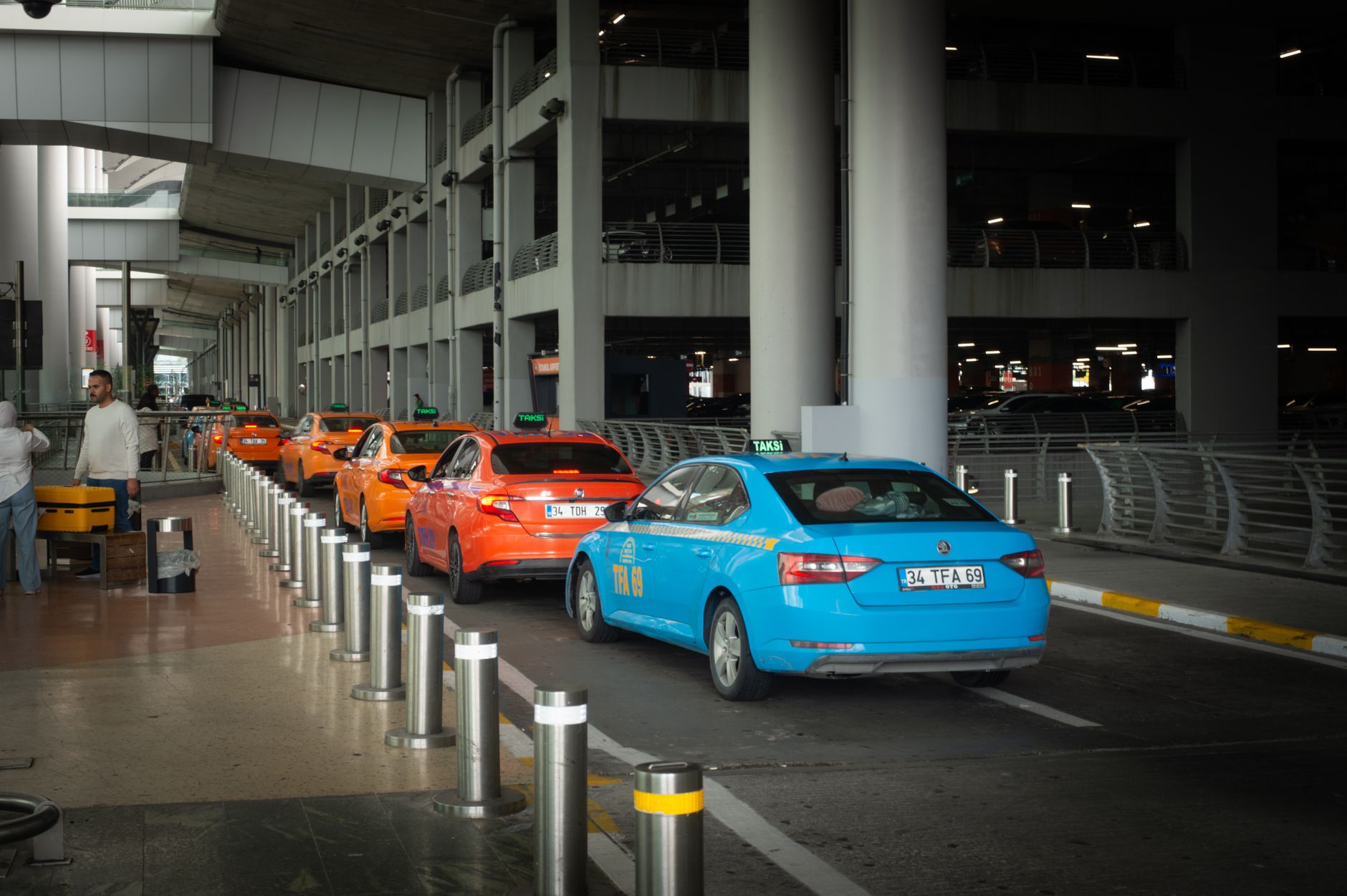
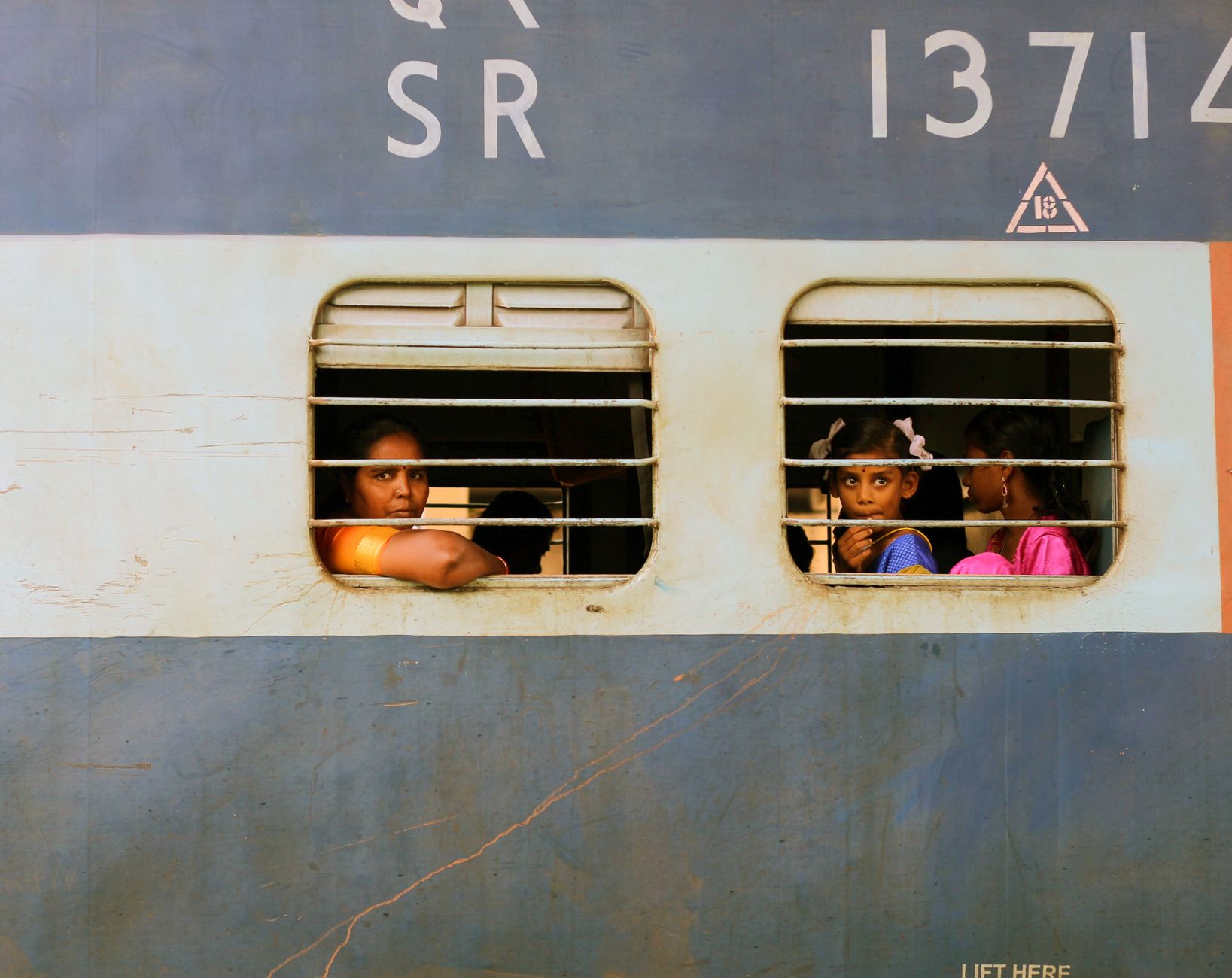
The rise of budget airlines, improved highway networks, and the expansion of railway services have democratized travel. What once required extensive planning and significant resources can now be accomplished with a few clicks on a smartphone app. This ease of access has particularly benefited Tier-2 and Tier-3 city residents, who are emerging as a powerful demographic in the travel sector.
Where Indians Are Going
Traditional tourist circuits continue to attract visitors, but there's a notable shift toward offbeat destinations. Travelers are seeking authentic experiences away from crowded hotspots. The Northeastern states, with their pristine landscapes and unique cultures, are seeing steady visitor growth. Similarly, lesser-known regions in Himachal Pradesh, Uttarakhand, and Karnataka are gaining popularity among those seeking tranquility and adventure.
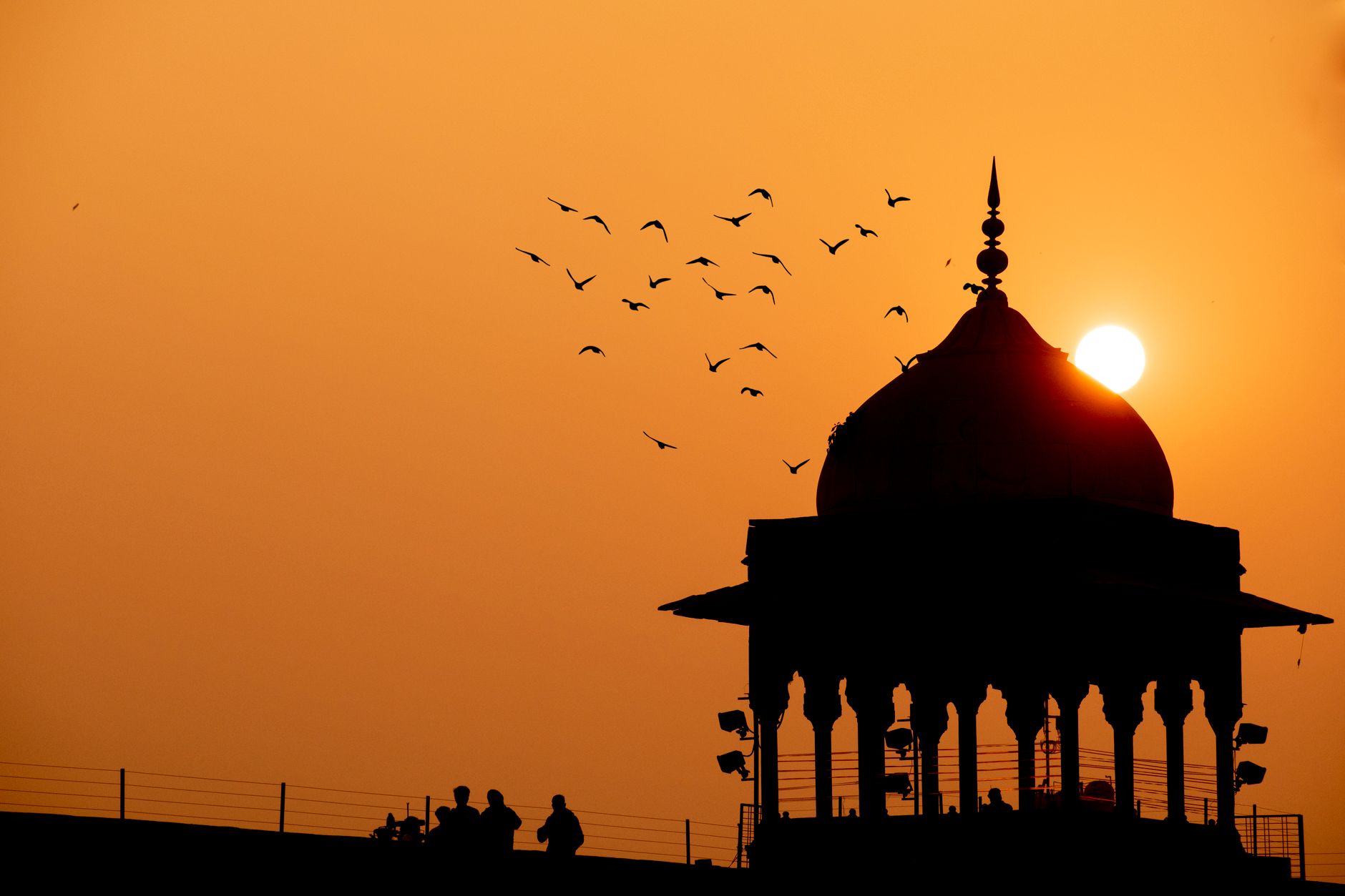
Spiritual tourism remains a cornerstone of Indian travel. Pilgrimages to temples, gurudwaras, and other religious sites account for a significant portion of domestic movement. Recent infrastructure improvements at major pilgrimage centers have made these journeys more comfortable while handling larger crowds efficiently.
The Adventure and Wellness Wave
Indian travelers are increasingly embracing adventure tourism. Trekking, river rafting, paragliding, and scuba diving are no longer niche activities but mainstream choices. Mountain destinations report year-round bookings as travelers seek skiing in winter and trekking in summer. Coastal areas are developing water sports facilities to cater to this growing demand.
Wellness tourism is another booming segment. Ayurveda resorts, yoga retreats, and spa destinations are witnessing robust occupancy rates. The pandemic heightened awareness about health and wellness, prompting many to combine travel with rejuvenation and self-care.
Infrastructure Enabling Movement
Government initiatives have played a crucial role in facilitating this travel boom. The expansion of airport networks, with new terminals in smaller cities, has reduced travel time significantly. Highway development projects have made road trips more viable and enjoyable. The introduction of Vande Bharat trains and upgraded railway stations has enhanced the train travel experience.
Digital infrastructure has been equally important. Online booking platforms, digital payments, and real-time information systems have simplified trip planning. Social media has democratized travel information, with influencers and regular travelers sharing insights about destinations that were previously unknown to mainstream audiences.
Economic Impact
This travel surge is generating substantial economic benefits. Hotel and hospitality sectors are expanding rapidly, creating employment opportunities across skill levels. Local economies in tourist destinations are thriving as visitors spend on accommodation, food, shopping, and activities. Handicraft industries and local artisans are finding new markets through tourist patronage.
The travel boom is also encouraging entrepreneurship. Homestays, local tour operators, adventure activity providers, and specialized travel services are flourishing. Many young Indians are choosing careers in tourism, bringing fresh ideas and international standards to the industry.
Sustainable Travel Concerns
With increased travel comes the responsibility of sustainable tourism. Popular destinations are grappling with overtourism, environmental degradation, and strain on local resources. Travelers and authorities alike are becoming more conscious of these challenges. Eco-tourism initiatives, responsible travel campaigns, and carrying capacity limits at sensitive sites are being implemented.
Looking Ahead
The future of Indian travel appears bright. As infrastructure continues to improve and travel costs remain competitive, more Indians will explore their diverse country. The trend toward experiential travel, cultural immersion, and sustainable practices is likely to strengthen. Technology will further enhance the travel experience through virtual guides, AI-powered recommendations, and seamless booking systems.
India's travel revolution is more than just movement—it represents growing aspirations, increased leisure time, and a desire to connect with the country's rich tapestry of landscapes and cultures. As India moves, it discovers itself anew.