India's transportation infrastructure has emerged as a critical driver of economic growth and social mobility in recent years. With the government's ambitious push to modernize connectivity across the nation, travelers and commuters are experiencing unprecedented improvements in how they navigate the world's most populous country.
The Multi-Modal Transportation Boom
India's approach to enhancing mobility encompasses several key sectors working in tandem. The National Infrastructure Pipeline has allocated substantial resources toward creating an integrated transportation network that connects urban centers with rural hinterlands, port cities with landlocked regions, and international gateways with domestic destinations.
The road network expansion has been particularly remarkable, with the National Highways Authority of India overseeing the construction of expressways, national corridors, and bypass roads that reduce travel time significantly. The Delhi-Mumbai Expressway and other flagship projects exemplify this commitment to high-speed road connectivity.
Railways: The Backbone of Indian Travel
Indian Railways continues to serve as the lifeline for millions of daily commuters and long-distance travelers. The introduction of Vande Bharat Express trains represents a leap forward in passenger comfort and speed. These semi-high-speed trains connect major cities with reduced journey times, air-conditioned comfort, and modern amenities.
Infrastructure upgrades include:
- Station modernization with world-class facilities
- Electrification of railway lines reducing carbon emissions
- Dedicated freight corridors separating cargo from passenger traffic
- Safety enhancements through modern signaling systems
- Introduction of premium train services catering to diverse passenger segments
Aviation Expansion and Regional Connectivity
The UDAN (Ude Desh ka Aam Nagrik) scheme has democratized air travel by connecting underserved airports and making flying accessible to smaller cities. This regional connectivity initiative has opened up destinations previously reliant solely on road or rail connections.
New airport construction and expansion of existing facilities in tier-2 and tier-3 cities have created a robust aviation ecosystem. International connectivity has also strengthened, with upgraded terminals and increased flight frequencies to global destinations.
Metro Systems: Urban Mobility Solutions
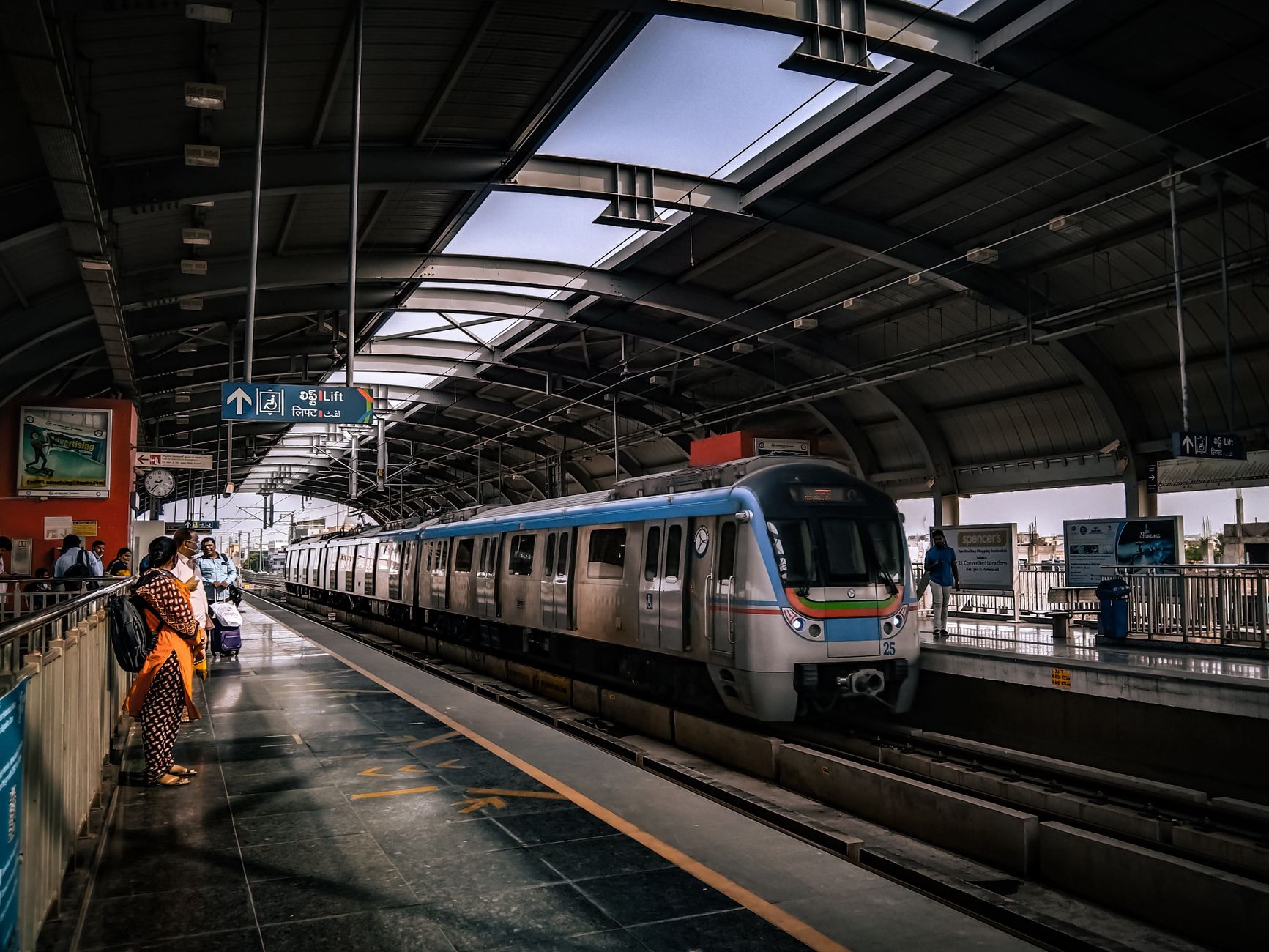
Metropolitan areas across India have embraced metro rail as a sustainable solution to urban congestion. Cities like Delhi, Mumbai, Bangalore, Kolkata, Chennai, Hyderabad, and Pune have operational metro networks, while dozens more are in various stages of planning and construction.
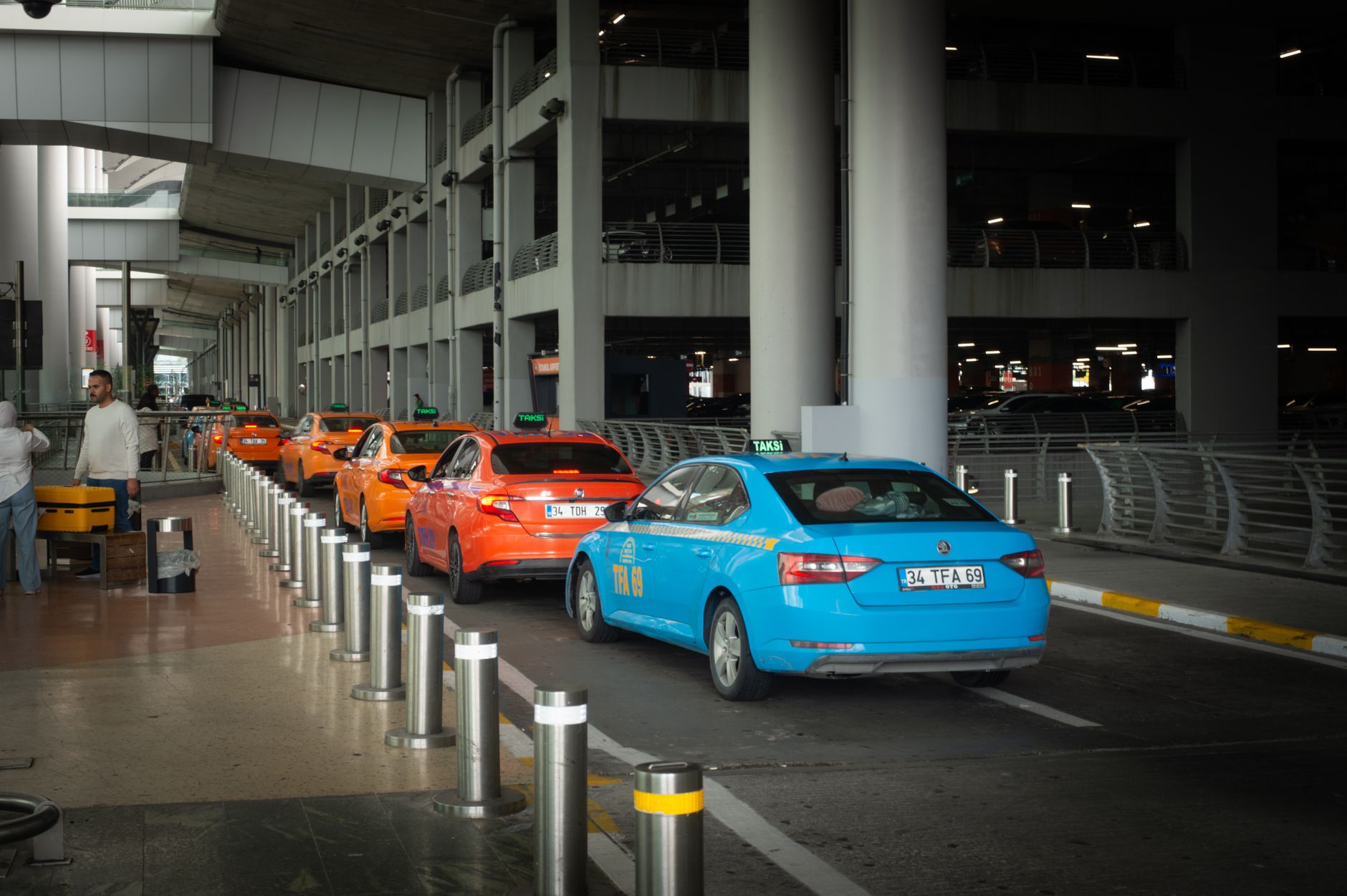
Metro systems offer climate-controlled, predictable, and environmentally friendly commuting options. The integration of metro connectivity with bus rapid transit systems, auto-rickshaw stands, and cab aggregator pick-up points creates seamless first-mile and last-mile connectivity.
Waterways and Coastal Shipping
Often overlooked, India's inland waterways present enormous potential for cargo and passenger movement. The Jal Marg Vikas Project on the Ganga river and development of other National Waterways aim to create cost-effective and eco-friendly transportation alternatives.
Coastal shipping and cruise tourism are gaining traction, with improved port infrastructure supporting both commercial and leisure maritime travel.
Digital Integration and Smart Mobility
Technology integration has revolutionized travel planning and execution. Common mobility cards, digital ticketing platforms, real-time tracking systems, and integrated payment solutions make multi-modal journeys smoother.
Applications providing live updates on flight statuses, train running positions, metro timings, and traffic conditions empower travelers with information that helps optimize their journeys.
Economic and Social Impact
Enhanced transportation infrastructure generates multiple benefits:
- Job creation in construction, operations, and maintenance
- Reduced logistics costs boosting manufacturing competitiveness
- Improved access to education and healthcare in remote areas
- Tourism growth through better connectivity to heritage and natural destinations
- Regional economic development as previously isolated areas integrate with national markets
Environmental Considerations
As India moves toward sustainable transportation, electric vehicles in public transport, railway electrification, and metro systems powered by renewable energy are becoming priorities. Balancing rapid infrastructure growth with environmental protection remains an ongoing challenge requiring innovative solutions.
The government's emphasis on electric buses, charging infrastructure, and cleaner fuels signals recognition that mobility transformation must align with climate commitments.
Looking Ahead
India's transportation revolution continues to accelerate with ambitious timelines for completing major projects. The vision extends beyond mere infrastructure creation to encompass smart, sustainable, and inclusive mobility solutions that serve the nation's diverse population and geographic complexity.
For travelers, whether daily commuters or occasional tourists, the improvements translate to shorter journey times, enhanced comfort, greater safety, and expanded choices in how they traverse this vast and varied country.