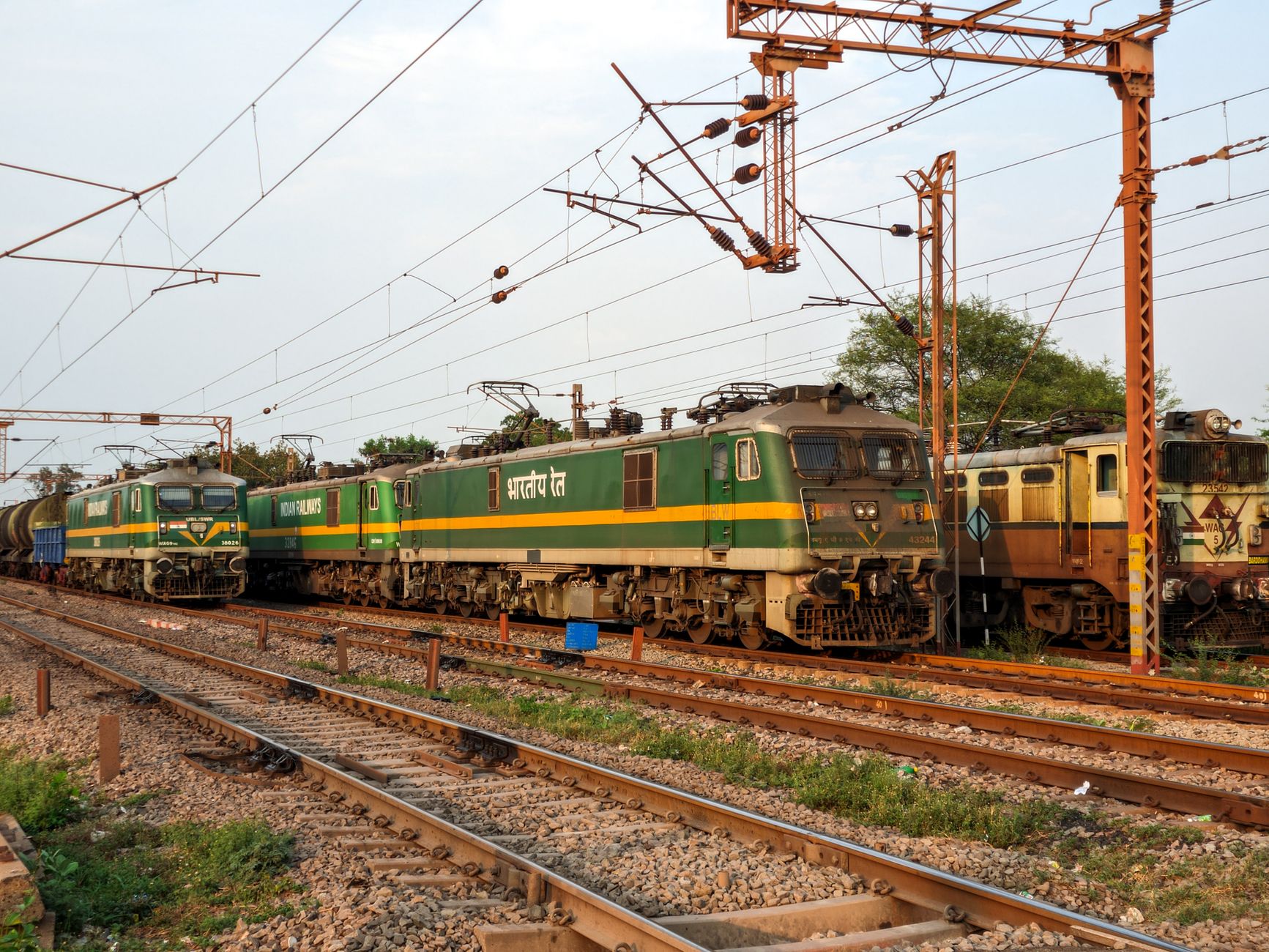
The Indian Railways is embarking on an ambitious journey to revolutionize its vast network by integrating indigenous hydrogen fuel cell technology. This initiative represents a pivotal shift from conventional diesel-powered trains to cleaner, more sustainable alternatives that could reshape the future of rail transport across the country.
Understanding Hydrogen Fuel Cell Technology
Hydrogen fuel cells generate electricity through a chemical reaction between hydrogen and oxygen, producing only water vapor and heat as byproducts. Unlike traditional combustion engines that burn fossil fuels, fuel cells offer a zero-emission solution at the point of use. The technology works by passing hydrogen through an anode and oxygen through a cathode, separated by an electrolyte membrane that facilitates the movement of ions while generating electrical current.
For railway applications, fuel cells provide several advantages over diesel engines. They operate more quietly, require less maintenance due to fewer moving parts, and eliminate local air pollution entirely. The only challenge lies in establishing the infrastructure for hydrogen production, storage, and refueling along rail corridors.
Why India is Investing in Hydrogen Railways
India operates one of the world's largest railway networks, serving over 8 billion passengers annually and transporting massive quantities of freight. Currently, a significant portion of this network runs on diesel, contributing substantially to the nation's carbon footprint and air pollution levels.
The adoption of hydrogen technology aligns with India's broader commitment to achieving net-zero emissions by 2070 and reducing carbon intensity. By developing indigenous solutions, India also reduces dependency on imported fossil fuels, strengthening energy security while creating opportunities for domestic manufacturing and innovation.
The government has identified hydrogen as a critical component of its National Hydrogen Mission, launched to position India as a global hub for green hydrogen production and utilization. Railways serve as an ideal testing ground for this technology due to predictable routes, centralized refueling possibilities, and the potential for massive environmental impact.
Technical Advantages for Indian Railways
Hydrogen fuel cell trains offer specific benefits suited to India's railway infrastructure. Many routes, particularly in hilly and remote regions, remain non-electrified due to the prohibitive costs of overhead power lines. Hydrogen trains can operate on these tracks without requiring extensive electrical infrastructure, making them cost-effective alternatives to full electrification.
The technology also supports higher operational efficiency. Fuel cells can be refueled in minutes, similar to diesel engines, avoiding the range limitations of battery-electric trains. This quick turnaround time ensures minimal disruption to railway schedules and maintains the high utilization rates essential for India's densely trafficked network.
Additionally, hydrogen trains perform well in diverse climatic conditions, from the scorching heat of Rajasthan to the freezing temperatures of northern mountain regions, where battery performance might otherwise deteriorate.
Indigenous Development and Economic Impact
By developing hydrogen fuel cell technology domestically, India positions itself to become self-reliant in this emerging sector. Indigenous development reduces procurement costs, enables customization for local conditions, and builds technical expertise within the country.
This initiative creates opportunities across multiple sectors. Manufacturing hydrogen trains requires collaboration between engineering firms, chemical companies, and technology providers. The entire value chain—from electrolyzer production for green hydrogen generation to fuel cell stack manufacturing—can stimulate job creation and industrial growth.
Research institutions and startups focusing on hydrogen technology will benefit from government support and real-world testing opportunities. Successful implementation in railways could lead to broader applications in road transport, maritime shipping, and industrial processes.
Challenges and Implementation Roadmap
Despite its promise, hydrogen technology faces certain hurdles. Producing green hydrogen through renewable energy-powered electrolysis remains expensive compared to conventional fuels. Establishing a network of hydrogen production facilities and refueling stations along railway corridors requires substantial capital investment.
Safety protocols for handling and storing hydrogen, which is highly flammable, must be rigorously developed and implemented. Training personnel, establishing maintenance procedures, and ensuring regulatory frameworks are all critical components of successful deployment.
The Indian Railways is likely to adopt a phased approach, beginning with pilot projects on select routes before scaling up. Initial deployments will help identify operational challenges, refine technology, and demonstrate viability to stakeholders.
Environmental and Social Impact
The environmental benefits of hydrogen trains extend beyond eliminating direct emissions. Reduced air pollution improves public health, particularly in densely populated urban areas and along heavily trafficked rail corridors. Lower noise pollution enhances quality of life for communities near railway lines.
As India scales up renewable energy capacity to produce green hydrogen, the entire transportation ecosystem becomes increasingly sustainable. This transition supports global climate goals while demonstrating technological leadership among developing nations.
The shift to hydrogen railways represents more than technological innovation—it signals India's commitment to sustainable development, energy independence, and building a cleaner future for generations to come.