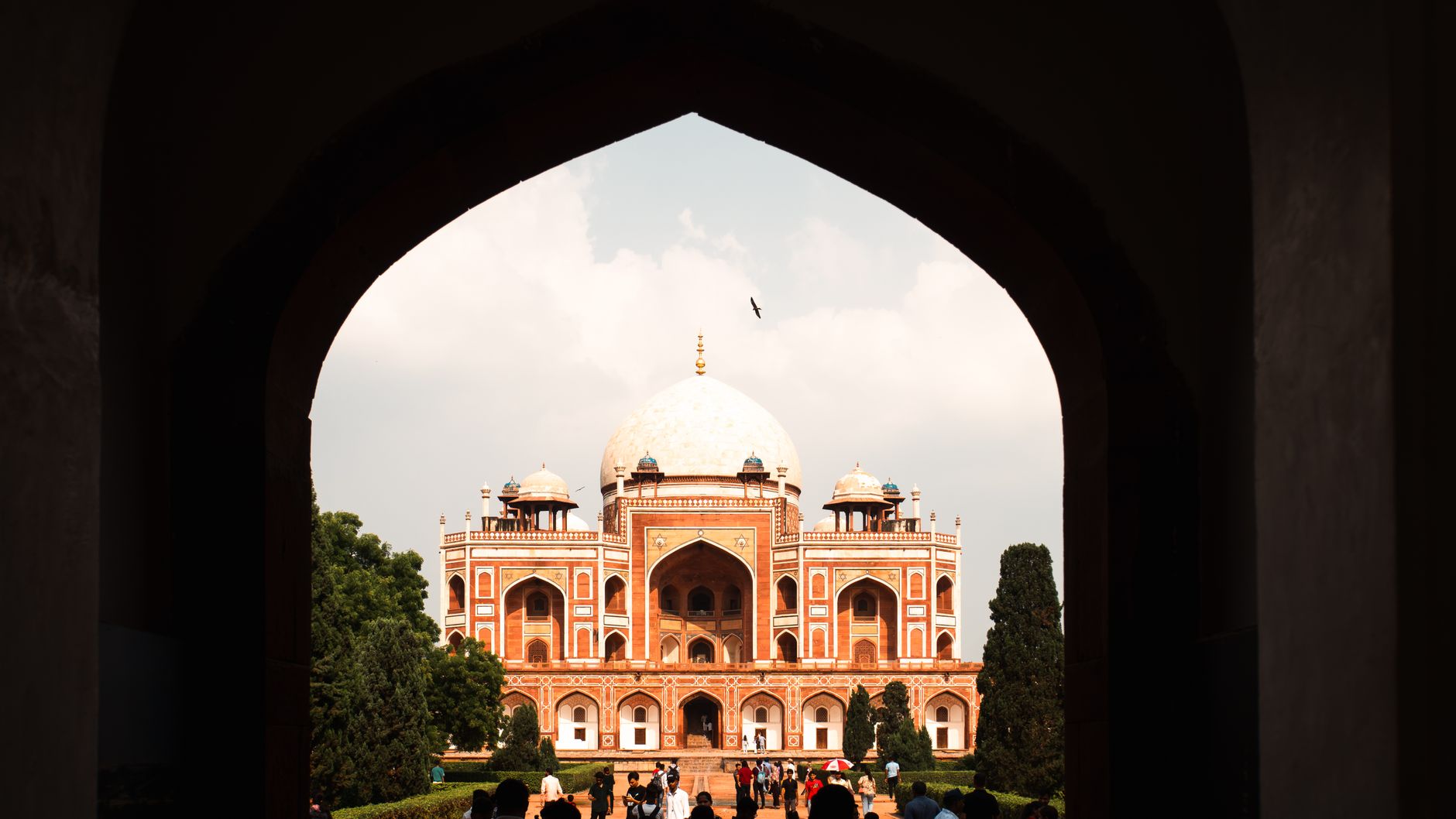
India welcomed over 79 million domestic tourists in just the first quarter of 2023, signalling a remarkable recovery in the travel sector. However, this surge has brought an uncomfortable truth to light: not all tourists are leaving destinations better than they found them. From littering at scenic spots to vandalising heritage sites, irresponsible tourism is casting a shadow over India's travel renaissance.
The Scale of the Problem
The evidence of tourist misbehaviour is everywhere. Shimla's Mall Road overflows with plastic waste during peak season. Ancient cave paintings in Ajanta face damage from visitors touching the delicate artwork. Leh-Ladakh's fragile ecosystem struggles under the weight of thousands of vehicles and improperly disposed waste. Even the Taj Mahal requires constant monitoring to prevent visitors from defacing its marble surfaces.
Local authorities and environmental groups have documented incidents ranging from tourists carving names into protected monuments to leaving behind mountains of non-biodegradable waste at popular trekking routes. The situation has become so severe that several destinations have implemented entry restrictions, visitor caps, and hefty fines for violations.
Why Are Tourists Behaving Irresponsibly
Understanding the root causes helps frame solutions. Many Indian travellers are first-generation tourists, experiencing domestic and international travel for the first time thanks to rising incomes and improved connectivity. This demographic often lacks awareness about sustainable tourism practices or the long-term impact of their actions.
Social media culture also plays a role. The pressure to capture the perfect Instagram shot has led to dangerous behaviour, from climbing on restricted structures to disturbing wildlife for photographs. The desire for viral content sometimes overrides respect for local customs, safety regulations, and environmental concerns.
Additionally, inadequate infrastructure at many popular destinations exacerbates the problem. Insufficient waste management facilities, poorly marked trails, and limited educational signage about responsible behaviour leave tourists without proper guidance or alternatives.
The Economic and Environmental Cost
The consequences extend far beyond aesthetic concerns. Hill stations like Mussoorie and Manali spend millions annually on waste management and environmental restoration. Heritage sites require increased security and conservation budgets to repair damage caused by careless visitors.
Local communities bear the brunt of irresponsible tourism. Residents in popular destinations face water shortages, noise pollution, and disrupted daily life. In some cases, the quality of life has deteriorated so significantly that locals resent the tourism industry despite its economic benefits.
Environmental damage poses the greatest long-term threat. Fragile Himalayan ecosystems, coastal mangroves, and wildlife habitats face destruction from unregulated tourism activities. Once degraded, these natural treasures may take decades to recover, if recovery is even possible.
Steps Toward Sustainable Tourism
Several Indian destinations have begun implementing corrective measures. Lakshadweep and the Andaman Islands now restrict visitor numbers to protect marine ecosystems. Sikkim has banned single-use plastics and mandates eco-friendly practices for tour operators. Uttarakhand requires trekkers to carry back all waste or face substantial penalties.
Technology offers new enforcement tools. Some states have introduced mobile apps where citizens can report violations. GPS tracking on popular trails helps authorities monitor overcrowding and environmental damage. Digital payment systems for entry fees create accountability and fund conservation efforts.
What Individual Travellers Can Do
Responsible tourism begins with individual choices. Travellers should research destinations beforehand, understanding local customs, environmental sensitivities, and regulations. Carrying reusable water bottles, avoiding single-use plastics, and disposing of waste properly are basic steps everyone can take.
Respecting local communities means staying on marked trails, following photography restrictions, and avoiding behaviour that disrupts daily life. Supporting local businesses, hiring registered guides, and choosing eco-certified accommodations channel tourism revenue toward sustainable practices.
Education plays a crucial role. Parents should model responsible behaviour for children, and social media influencers should promote sustainable travel practices to their followers. Travel companies and booking platforms can integrate sustainability information into their services, making responsible choices easier for consumers.
The Path Forward
India's tourism potential remains enormous, with countless destinations still underdeveloped and cultural treasures waiting to be showcased responsibly. However, realizing this potential requires a collective shift in mindset from viewing travel as mere consumption to understanding it as a privilege that comes with responsibilities.
Government policies, industry standards, and individual behaviour must align to create a sustainable tourism ecosystem. The alternative is watching India's natural and cultural heritage degrade under the weight of unchecked visitor numbers and irresponsible practices, ultimately destroying the very attractions that draw tourists in the first place.