India's tourism sector has experienced a dramatic evolution over the past decade, positioning the country as one of the world's fastest-growing travel destinations. What was once characterized by infrastructure challenges and limited connectivity has transformed into a dynamic industry that welcomed over 10 million foreign tourists annually before the pandemic and has since rebounded with renewed vigour. This transformation stems from a combination of government initiatives, private sector investment and a fundamental reimagining of what Indian tourism can offer.
The Infrastructure Revolution
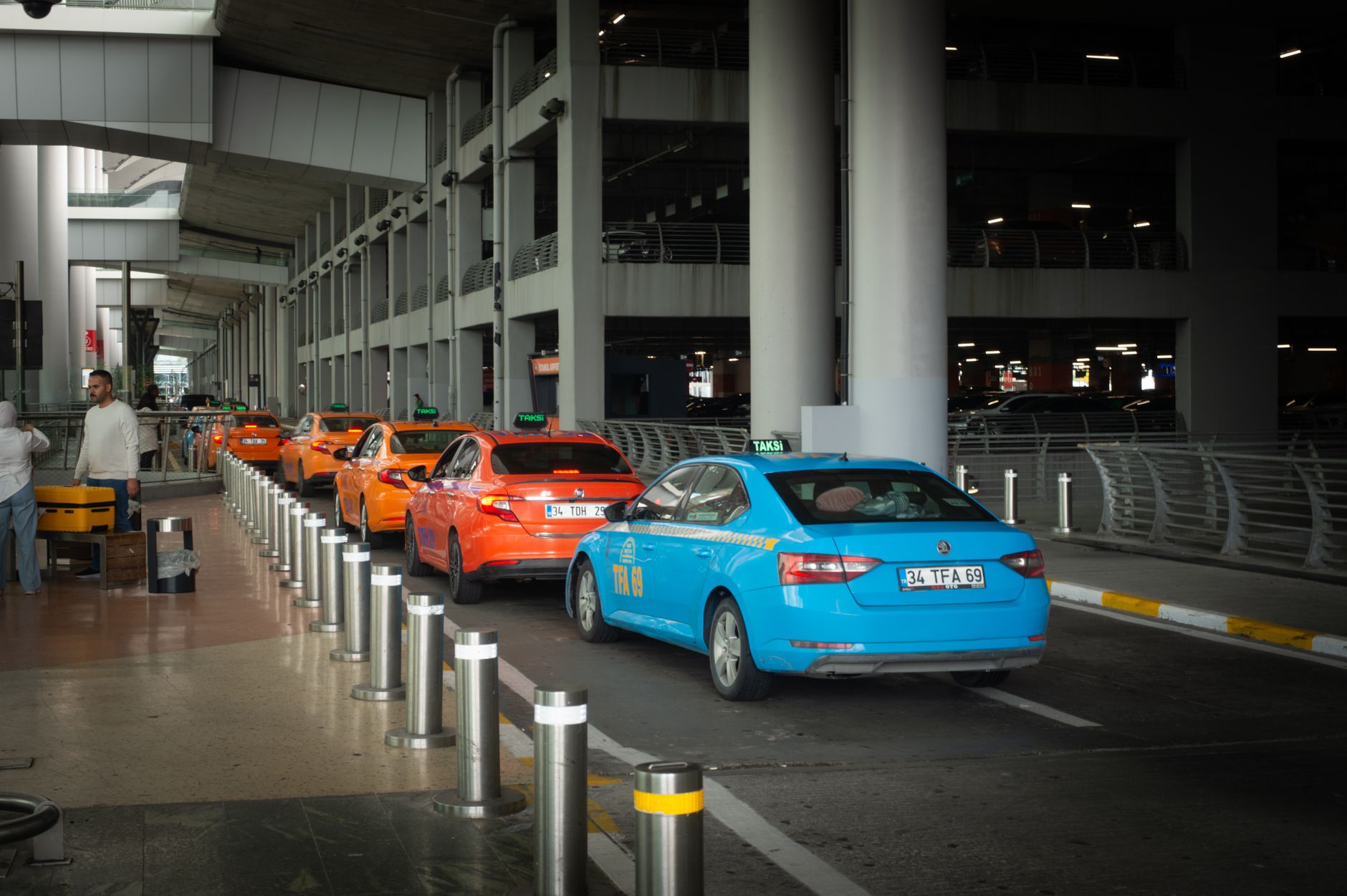
The most visible change in India's tourism landscape has been the massive infrastructure overhaul. New airports have opened in tier-2 and tier-3 cities, making previously difficult-to-reach destinations accessible within hours. The expansion of metro networks in cities like Mumbai, Bengaluru, Delhi and Kolkata has made urban tourism more manageable for both domestic and international visitors.
Highway development under programmes like Bharatmala has reduced travel times between major destinations significantly. The journey from Delhi to Agra, once a gruelling four to five-hour drive, can now be completed in under three hours on the Yamuna Expressway. Coastal roads, mountain highways and expressways have opened up regions that were previously off the beaten path.
Perhaps most symbolically, India's first bullet train project between Mumbai and Ahmedabad represents the country's ambitions to match global standards in transport infrastructure. While still under construction, the project signals a commitment to world-class connectivity that will reshape regional tourism patterns.
The Spiritual Tourism Renaissance
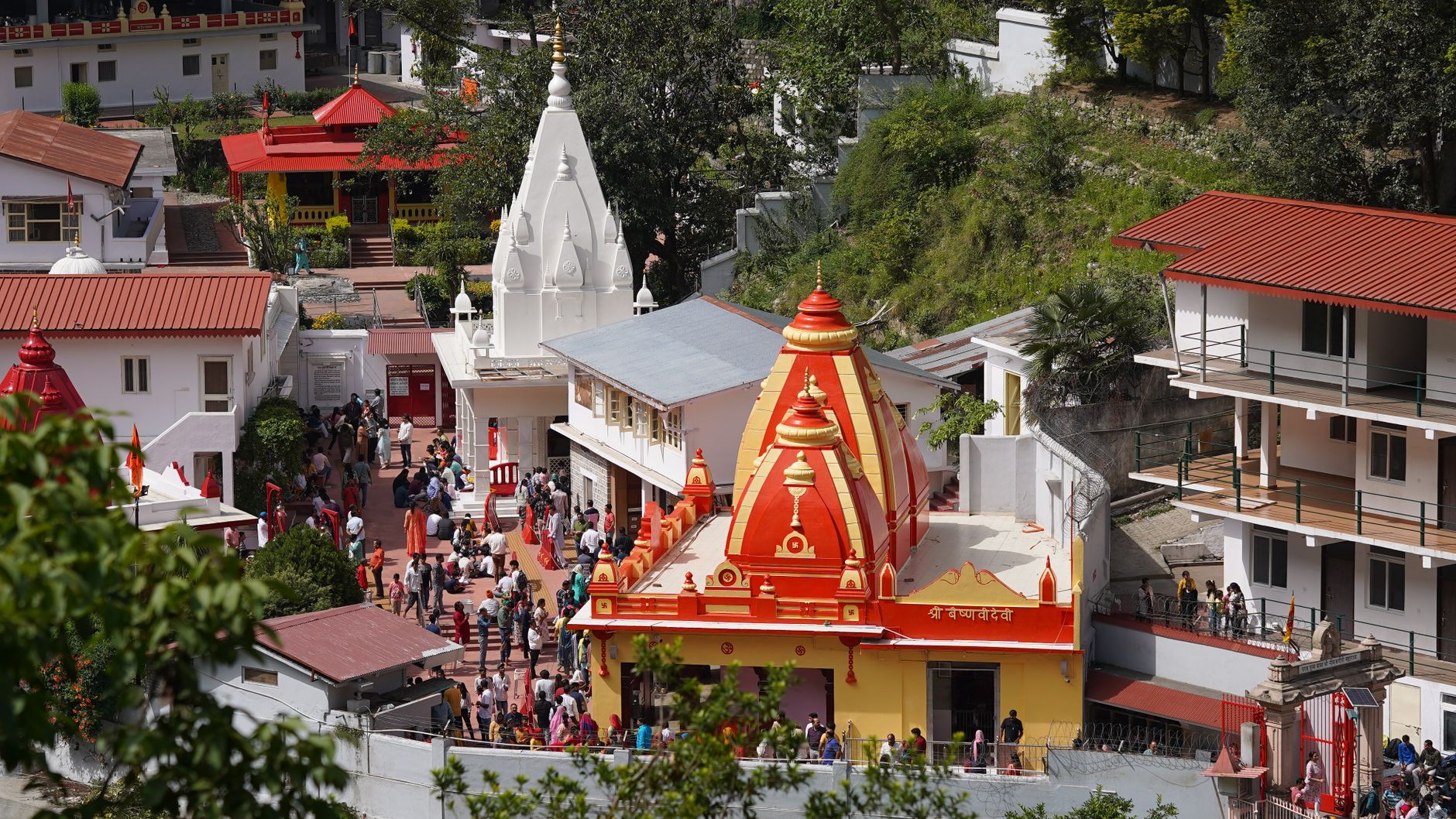
India's spiritual and religious heritage has always drawn travellers, but the past decade has seen a strategic focus on developing pilgrimage circuits. The government's Swadesh Darshan and PRASHAD schemes have channelled funds into developing religious tourism infrastructure, particularly around major pilgrimage sites.
The Kashi Vishwanath Corridor in Varanasi exemplifies this approach. The redevelopment project has transformed the area around one of Hinduism's holiest temples, creating wider access routes, better facilities and a more organized visitor experience while maintaining spiritual authenticity. Similar upgrades have occurred at sites like the Ram Janmabhoomi complex in Ayodhya, the Golden Temple complex in Amritsar and various Char Dham destinations.
The development of dedicated pilgrimage circuits has made multi-site spiritual journeys more feasible. The Buddhist Circuit, for instance, now connects sites associated with Buddha's life across several states with improved connectivity and amenities. This approach has attracted both domestic pilgrims and international tourists interested in spiritual exploration.
Digital Connectivity and the New Tourist
Perhaps the most transformative change has been in digital infrastructure. The expansion of 4G and now 5G networks across the country means tourists can navigate, book and share experiences in real-time, even in relatively remote locations. The proliferation of affordable smartphones has democratized travel information, allowing budget travellers to access the same resources as luxury tourists.
Digital payment systems have eliminated many of the friction points that once frustrated foreign visitors. From street food vendors to heritage sites, the ability to pay digitally has made transactions smoother and reduced concerns about currency exchange and cash management.
Online booking platforms for trains, hotels and experiences have made trip planning more transparent and accessible. The integration of the IRCTC railway booking system with international payment gateways has simplified what was once a notoriously difficult process for foreign tourists.
Regional Diversity and Experiential Travel
The past decade has also seen Indian tourism move beyond the traditional Golden Triangle. States like Kerala, Rajasthan, Himachal Pradesh and northeastern states have developed distinct tourism identities. Adventure tourism, wellness retreats, wildlife safaris and culinary tours have diversified the travel experience.
The government's "Incredible India" campaigns have successfully showcased this diversity to global audiences, while domestic tourism has boomed as rising middle-class incomes have made travel more accessible to millions of Indian families.
Looking Ahead
The transformation over the past decade has laid the foundation for sustained growth. However, challenges remain around sustainability, heritage conservation and managing overtourism at popular sites. As India continues to develop its tourism infrastructure, balancing growth with environmental and cultural preservation will be crucial to maintaining the authentic experiences that make the country unique.
The next decade promises further evolution as new technologies, changing traveller preferences and continued infrastructure investment reshape how people discover and experience India's remarkable diversity.