India's tourism sector has witnessed remarkable growth in recent years, driven largely by domestic travellers exploring their own country. However, experts believe this success story is only in its opening chapters. The real transformation could come from tapping into the vast international tourism market, where India remains significantly underrepresented compared to its potential.
The Current State of Indian Tourism
India welcomed approximately 9 million international tourists in 2019, before the pandemic disrupted global travel. While domestic tourism has rebounded strongly, international arrivals are still climbing back. In contrast, countries like Thailand and Malaysia attract over 30 million international visitors annually, despite having smaller populations and less diverse attractions.
The domestic market has been the backbone of India's tourism industry, with hundreds of millions of Indians travelling within the country each year. This internal demand has supported hotels, airlines, tour operators, and countless small businesses. However, international tourists typically spend more per visit and stay longer, making them economically valuable for the sector.
What Holds India Back
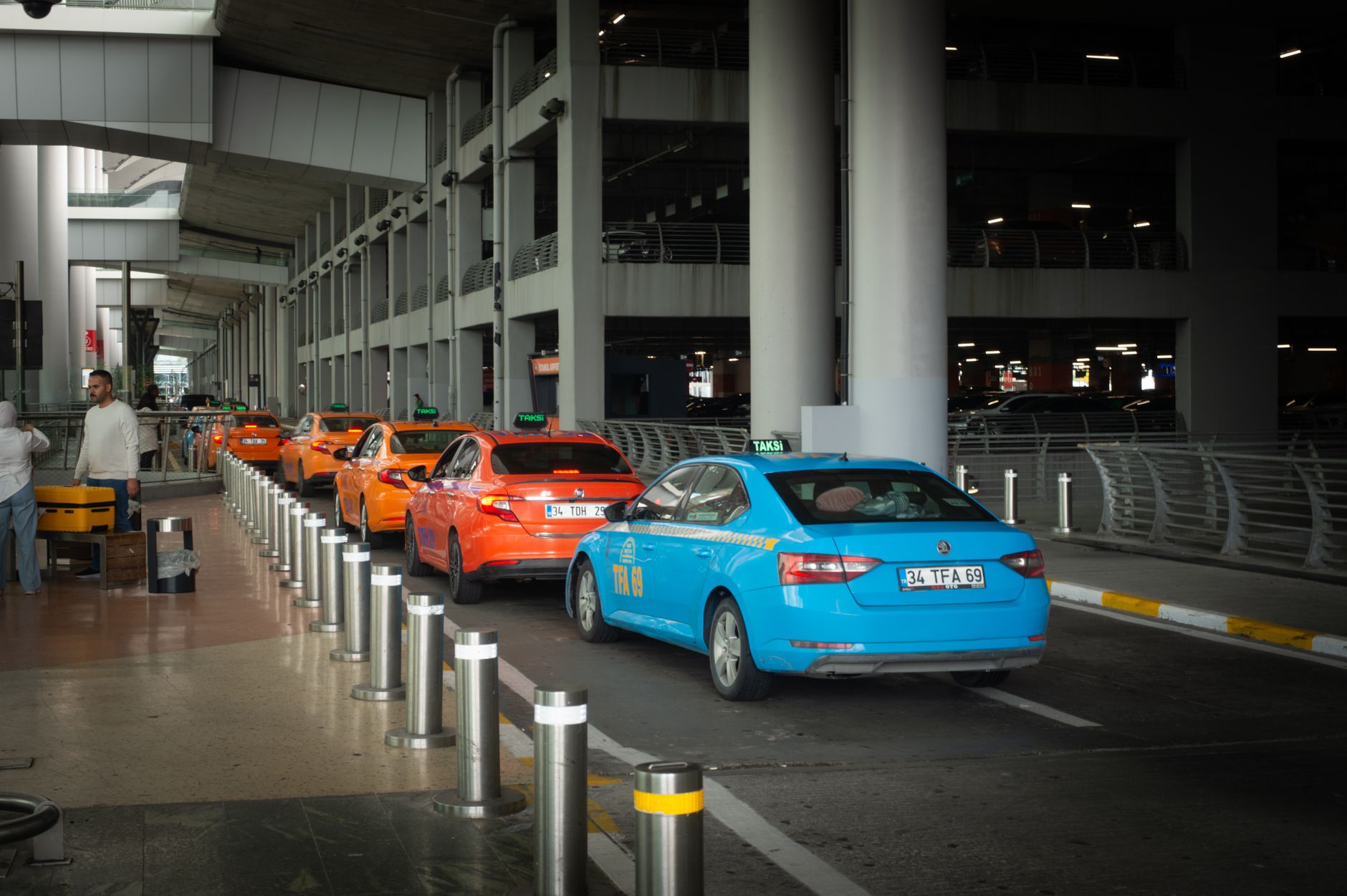
Several factors have historically limited India's appeal to international travellers. Infrastructure gaps remain a significant challenge. While major cities and popular destinations have improved connectivity, many potential tourist sites lack adequate airports, roads, and public transportation. The last-mile connectivity problem means travellers often face difficulty reaching attractions comfortably.
Visa processes, though simplified in recent years with e-visa facilities, still require advance planning that spontaneous travellers may find cumbersome. Countries that have eliminated visa requirements for major source markets have seen dramatic increases in arrivals.
Cleanliness and sanitation perceptions continue to affect India's image abroad, despite substantial improvements under initiatives like Swachh Bharat. First impressions at airports and railway stations matter enormously, and inconsistent standards can deter repeat visits.
Safety concerns, particularly for solo female travellers, remain a reputational challenge that requires both genuine improvement and better communication of positive changes.
The Enormous Opportunity
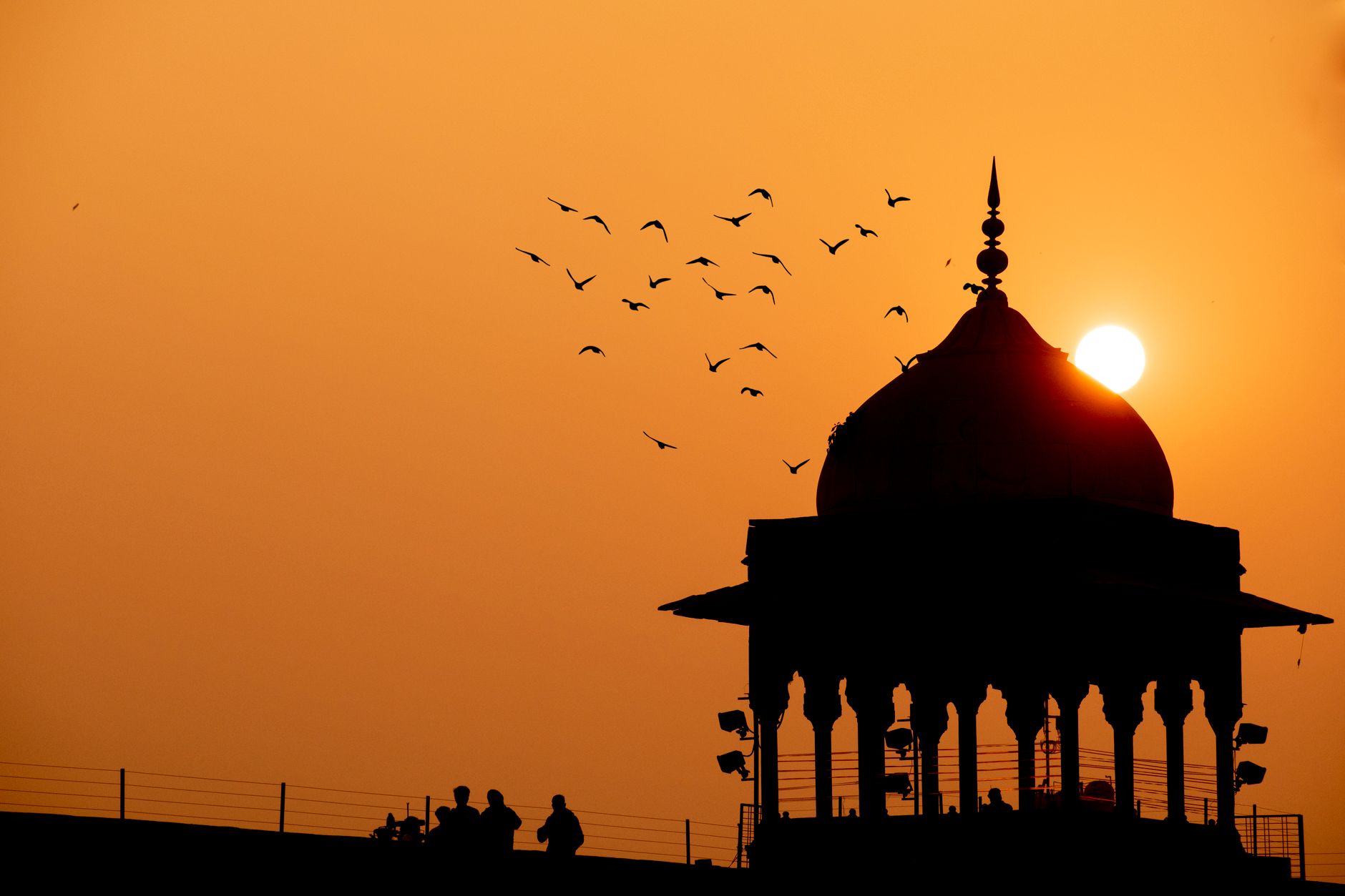
India possesses tourism assets that few countries can match. The diversity spans snow-capped Himalayan peaks, tropical beaches, desert landscapes, wildlife reserves, ancient temples, Mughal architecture, vibrant festivals, and cuisine that varies dramatically across regions.
Cultural tourism represents a massive opportunity. India's spiritual heritage attracts seekers from around the world, but this market remains underdeveloped. Wellness and yoga tourism could be expanded significantly given India's authentic connection to these practices.
Adventure tourism is another growth area. Trekking, river rafting, skiing, scuba diving, and wildlife safaris could attract millions more visitors if properly marketed and infrastructure-enabled.
The wedding and MICE (meetings, incentives, conferences, exhibitions) segments show promise. India's palatial hotels and exotic locations make it attractive for destination weddings and corporate events, particularly for the global Indian diaspora and international clients seeking unique venues.
What Needs to Change
Infrastructure investment must accelerate. Regional airports, improved road networks, better public transportation in tourist areas, and enhanced digital connectivity would remove major barriers. Public-private partnerships could fund tourism-specific infrastructure without overburdening government budgets.
Streamlining regulations would help. Faster visa processing, easier business permits for tourism operators, and simplified compliance requirements would encourage both visitors and investors.
Skills development is essential. Training hospitality workers in international standards, language skills, and cultural sensitivity would improve visitor experiences. India's large young population could be channelled into quality tourism jobs.
Marketing must become more sophisticated and targeted. India's tourism campaigns need to highlight specific experiences rather than generic messaging. Different markets respond to different appeals—adventure seekers, luxury travellers, budget backpackers, and cultural tourists all need tailored approaches.
Safety improvements and clear communication about security measures would address perception gaps. Better tourist police, improved lighting in tourist areas, and transparent reporting of safety initiatives would help.
The Economic Prize
Tourism is labour-intensive and creates jobs across skill levels. International tourism particularly benefits foreign exchange reserves and supports local economies in smaller towns and villages. Countries that have successfully developed tourism—like Spain, Portugal, and Croatia—have seen transformative economic impacts.
For India, even capturing a modest share of global tourism flows could add billions to GDP and create millions of jobs. The multiplier effects through handicrafts, transportation, food services, and cultural performances would spread benefits widely.
The foundation exists. India's domestic tourism success demonstrates that the country can manage large visitor numbers. Extending this capability to international markets requires targeted improvements rather than wholesale transformation. With political will, strategic investment, and sustained focus, India's tourism story could indeed be just beginning.