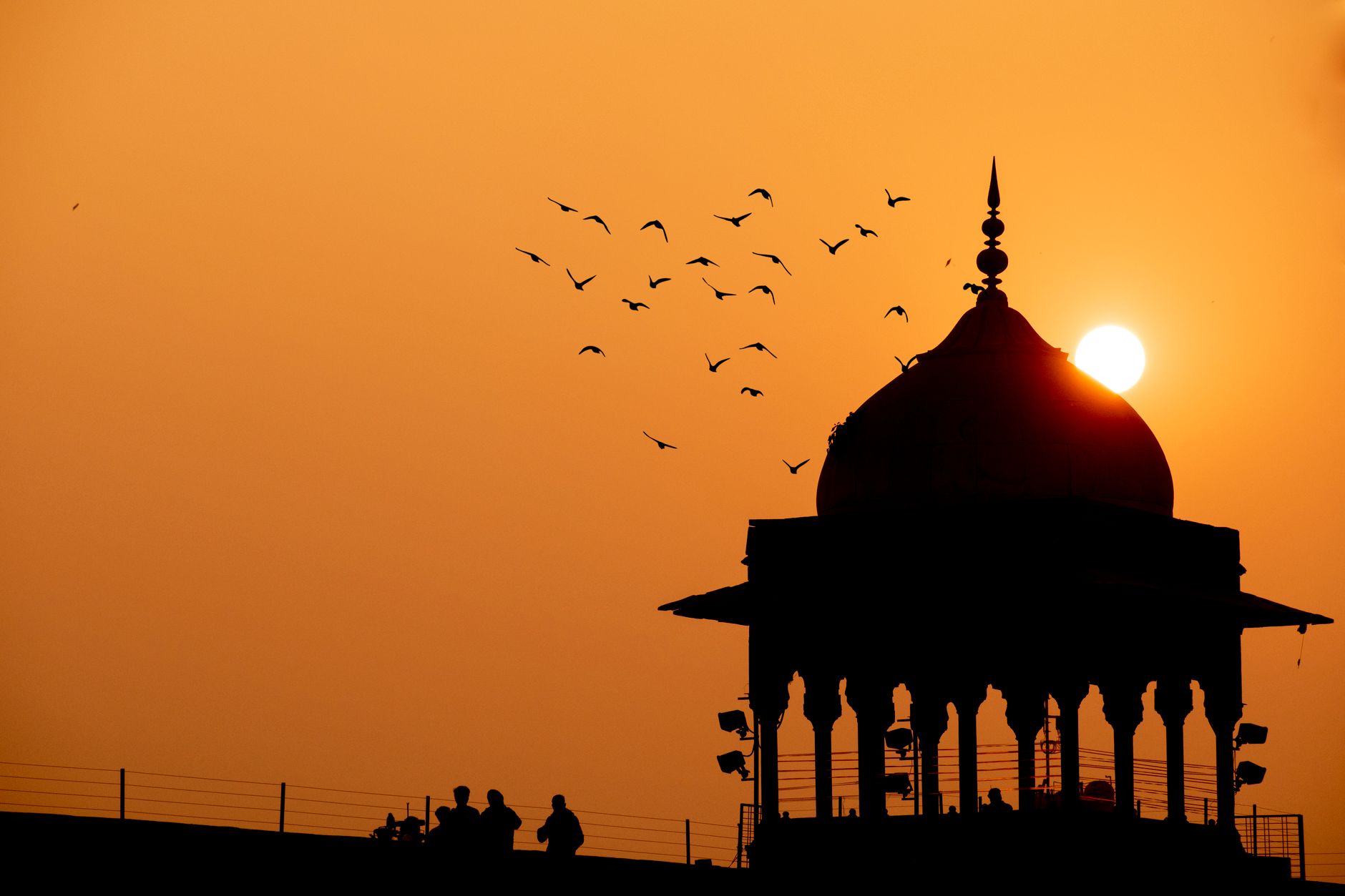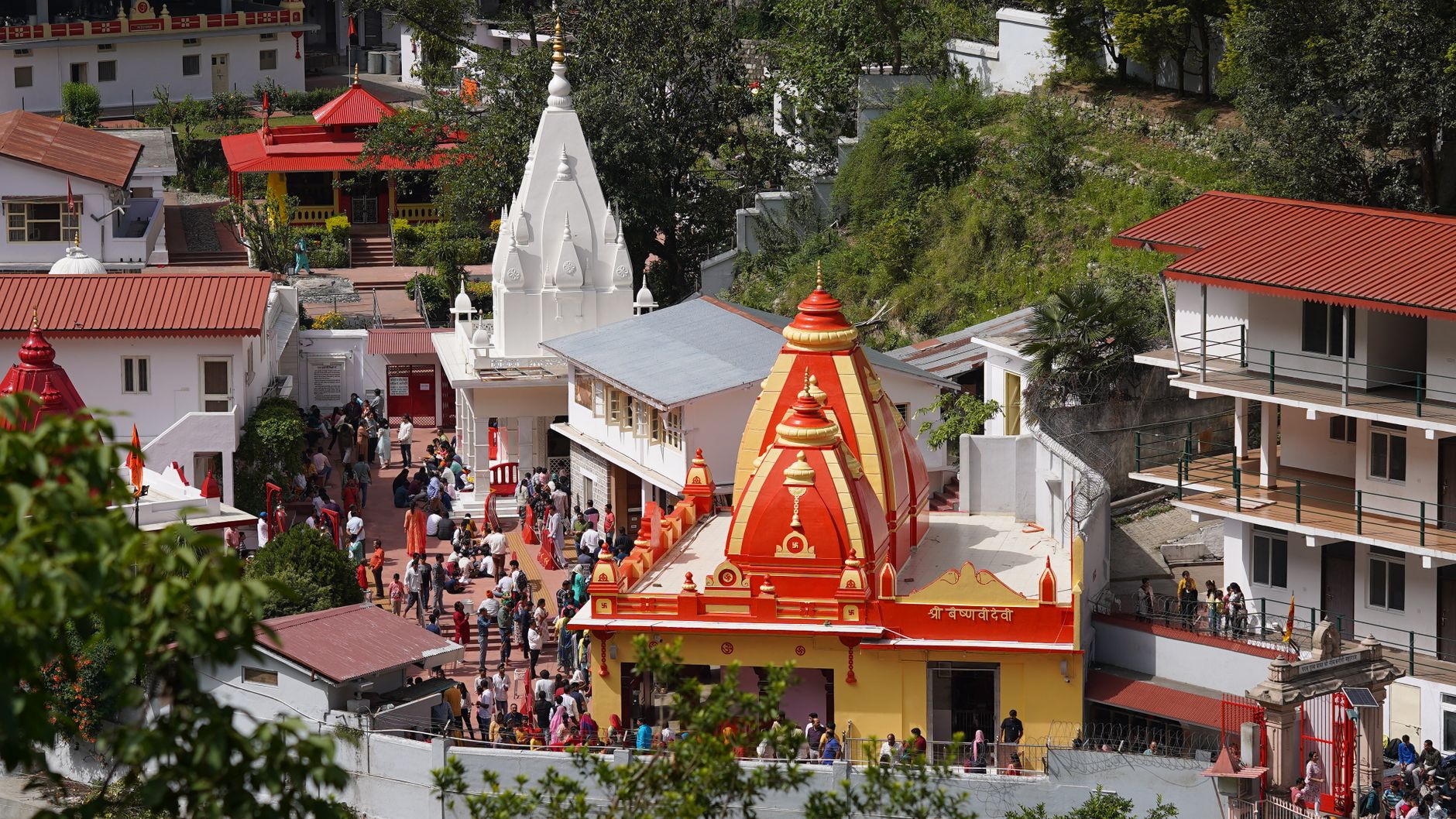
India has long been a destination that captures imaginations worldwide—from the Taj Mahal's marble grandeur to Kerala's backwaters, Rajasthan's desert fortresses to the Himalayan peaks. Yet despite its cultural wealth and natural diversity, India receives only a fraction of international tourists compared to countries like Thailand, France, or even Turkey. The question isn't whether India has what it takes to become a tourism powerhouse, but rather what's holding it back.
The Current Landscape
India welcomed approximately 9 million international tourists in 2019, before the pandemic disrupted global travel. While domestic tourism has surged dramatically—with hundreds of millions of Indians travelling within their own country—international arrivals tell a different story. For context, France receives nearly 90 million international visitors annually, while Thailand attracts around 40 million, despite having a fraction of India's geographic size and cultural offerings.
The revenue gap is equally striking. Tourism contributes roughly 6-7% to India's GDP, but this figure could potentially double or triple with the right interventions. The sector employs tens of millions of people across hospitality, transport, handicrafts, and allied services, meaning any growth directly impacts livelihoods across the economic spectrum.
What's Limiting Growth
Several structural barriers prevent India from reaching its tourism potential. The visa process, though improved with e-visa facilities for many nationalities, remains more cumbersome than competitors offering visa-on-arrival or visa-free entry. Business travellers and tourists often face uncertainty about processing times and requirements.
Infrastructure gaps present another challenge. While metros like Delhi, Mumbai, and Bengaluru have modernised significantly, connectivity to second and third-tier destinations—often the most culturally rich—remains inadequate. Road conditions, last-mile connectivity from airports or railway stations, and the availability of international-standard accommodation outside major cities all need attention.
Safety perceptions, particularly for solo female travellers, continue to affect India's reputation despite improvements in tourist policing and safety measures. Cleanliness initiatives like Swachh Bharat have made progress, but consistency across tourist sites varies considerably.
The Untapped Opportunities
India's diversity is perhaps its greatest asset. Few countries can offer Himalayan trekking, beach holidays, wildlife safaris, spiritual retreats, heritage tours, and culinary experiences all within one destination. Yet this diversity remains undermarketed internationally.
Adventure tourism represents enormous potential. From river rafting in Rishikesh to scuba diving in the Andamans, mountaineering in Ladakh to paragliding in Himachal Pradesh, India offers world-class adventure experiences at competitive prices.
Wellness and medical tourism are growing segments where India already excels. Ancient practices like Ayurveda, yoga, and meditation attract international visitors, while cost-effective medical procedures bring healthcare tourists from around the world.
The meetings, incentives, conferences, and exhibitions sector—known as MICE tourism—represents another growth area. India's improving convention infrastructure and competitive costs make it attractive for international events.
What Needs to Change
Simplifying visa processes would create immediate impact. Countries that liberalised entry requirements have seen tourist arrivals jump substantially. Offering longer visa-free stays or genuinely seamless e-visa processes for major markets could significantly boost numbers.
Infrastructure investment must extend beyond gateway cities. Improving regional airports, developing tourism circuits that connect multiple attractions, and ensuring reliable transport options would distribute tourist flows more evenly and showcase India's breadth.
Marketing needs better coordination and funding. State tourism boards often work in silos, while India's international marketing budget pales compared to competitors. A unified brand message highlighting India's diversity while addressing specific traveller concerns would be more effective.
Training hospitality professionals in international service standards and languages would improve visitor experiences. Many tourists report that the warmth of Indian hospitality is sometimes undermined by communication challenges or unfamiliarity with international expectations.
The Road Ahead
India's tourism success story is indeed just beginning. With the government prioritising tourism development, private sector investment flowing into hospitality, and digital connectivity making remote regions accessible, the fundamentals are strengthening.
The country that invented the concept of "atithi devo bhava"—the guest is god—has both the cultural foundation and natural assets to become a tourism superpower. What remains is executing the practical reforms that transform potential into reality, ensuring that millions more global travellers discover what domestic tourists already know: India offers journeys unlike anywhere else on Earth.