India's travel and tourism sector has reached an impressive economic milestone, with the industry now valued at $263.6 billion according to recent data from the World Travel & Tourism Council (WTTC). This achievement marks a significant recovery from pandemic-era setbacks and signals India's growing prominence as a major player in the global tourism landscape.
Understanding the Growth Trajectory
The substantial valuation reflects the combined impact of domestic and international tourism across India's diverse regions. From the Himalayan peaks in the north to the tropical beaches of the south, India's geographical diversity has always been a tourism asset, but recent years have seen more coordinated efforts to capitalize on this advantage.
The sector's growth has been driven by several factors, including increased domestic travel among India's expanding middle class, improved infrastructure, and targeted government initiatives to promote tourism. The rise in disposable incomes has enabled more Indian families to explore their own country, contributing significantly to the overall tourism economy.
The Global Top Four Ambition
Currently, the United States, China, Germany, and Japan dominate the global tourism rankings by economic contribution. India's aspiration to break into this exclusive group reflects both ambition and realistic potential. With a population exceeding 1.4 billion and a rapidly growing economy, India possesses the fundamental ingredients for tourism success.
The journey to the top four will require sustained investment in infrastructure, including airports, roads, hotels, and tourist facilities. Many tier-two and tier-three cities are already seeing improved connectivity, making previously difficult-to-reach destinations more accessible to travellers.
Key Tourism Segments Driving Growth
India's tourism economy spans multiple segments, each contributing to the overall valuation:
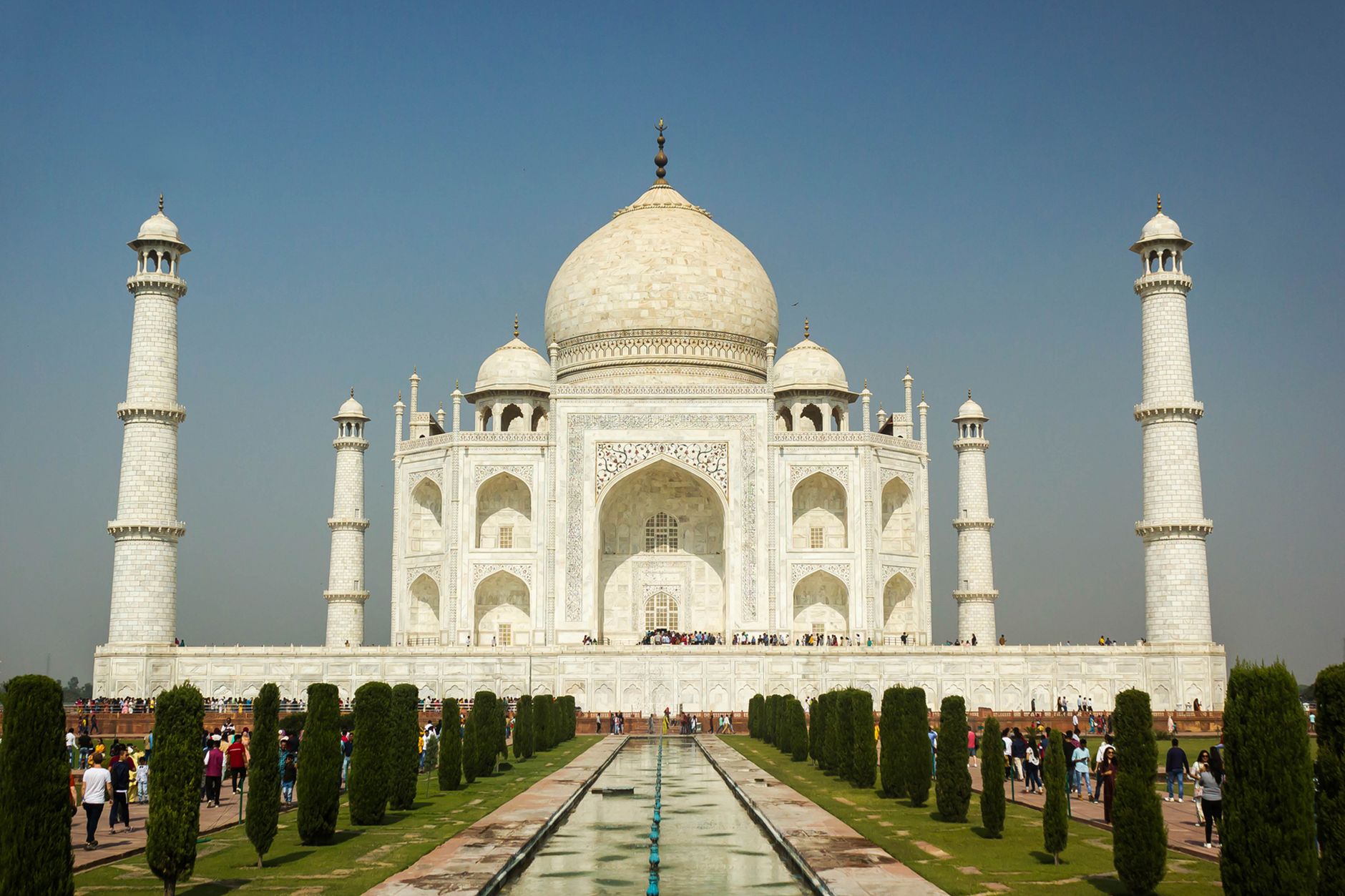
- Heritage and cultural tourism, centred around UNESCO World Heritage Sites and historical monuments
- Religious tourism, with millions visiting pilgrimage sites annually
- Adventure tourism in mountainous and coastal regions
- Medical tourism, where India has established itself as a cost-effective destination
- Business and MICE (Meetings, Incentives, Conferences, Exhibitions) tourism in major metropolitan areas
- Wildlife tourism across India's network of national parks and sanctuaries
- Wellness tourism, capitalizing on yoga and Ayurveda traditions
Employment and Economic Impact
The tourism sector serves as a crucial employment generator, providing jobs across skill levels from hospitality workers to tour guides, transporters, and artisans. The multiplier effect of tourism spending ripples through local economies, benefiting restaurants, shops, and service providers.
For many rural and semi-urban areas, tourism represents a vital economic lifeline, creating opportunities that might otherwise require migration to cities. Homestays and community-based tourism initiatives have enabled local populations to directly participate in and benefit from tourist arrivals.
Challenges to Overcome
Despite the impressive growth figures, several challenges persist. Infrastructure gaps remain, particularly in smaller towns and rural tourist destinations. Issues such as cleanliness, overcrowding at popular sites, and inconsistent service quality occasionally impact visitor experiences.
Seasonal concentration of tourism also presents challenges, with certain destinations experiencing overwhelming crowds during peak seasons while remaining underutilized at other times. Better distribution of tourist traffic throughout the year could enhance sustainability and visitor satisfaction.
Government Initiatives and Support
Various government schemes have supported the sector's expansion, including the development of tourism circuits that connect multiple attractions, streamlined visa processes for international visitors, and promotional campaigns highlighting India's diverse offerings. The push for digital infrastructure has also made travel planning and booking more accessible.
State governments have increasingly recognized tourism's economic potential, launching their own initiatives to showcase regional attractions and improve facilities. Public-private partnerships have emerged as an effective model for developing tourist infrastructure while maintaining quality standards.
Future Outlook
The trajectory toward entering the global top four appears achievable if current momentum continues. Sustained investment, improved visitor experiences, and effective marketing will be essential. As international travel continues to normalize post-pandemic, India's unique combination of ancient heritage, natural beauty, and modern amenities positions it well to capture an increasing share of global tourism spending.
The $263.6 billion valuation represents not just economic achievement but also India's growing soft power and global cultural influence, as millions of visitors experience the country's hospitality, traditions, and contemporary dynamism firsthand.