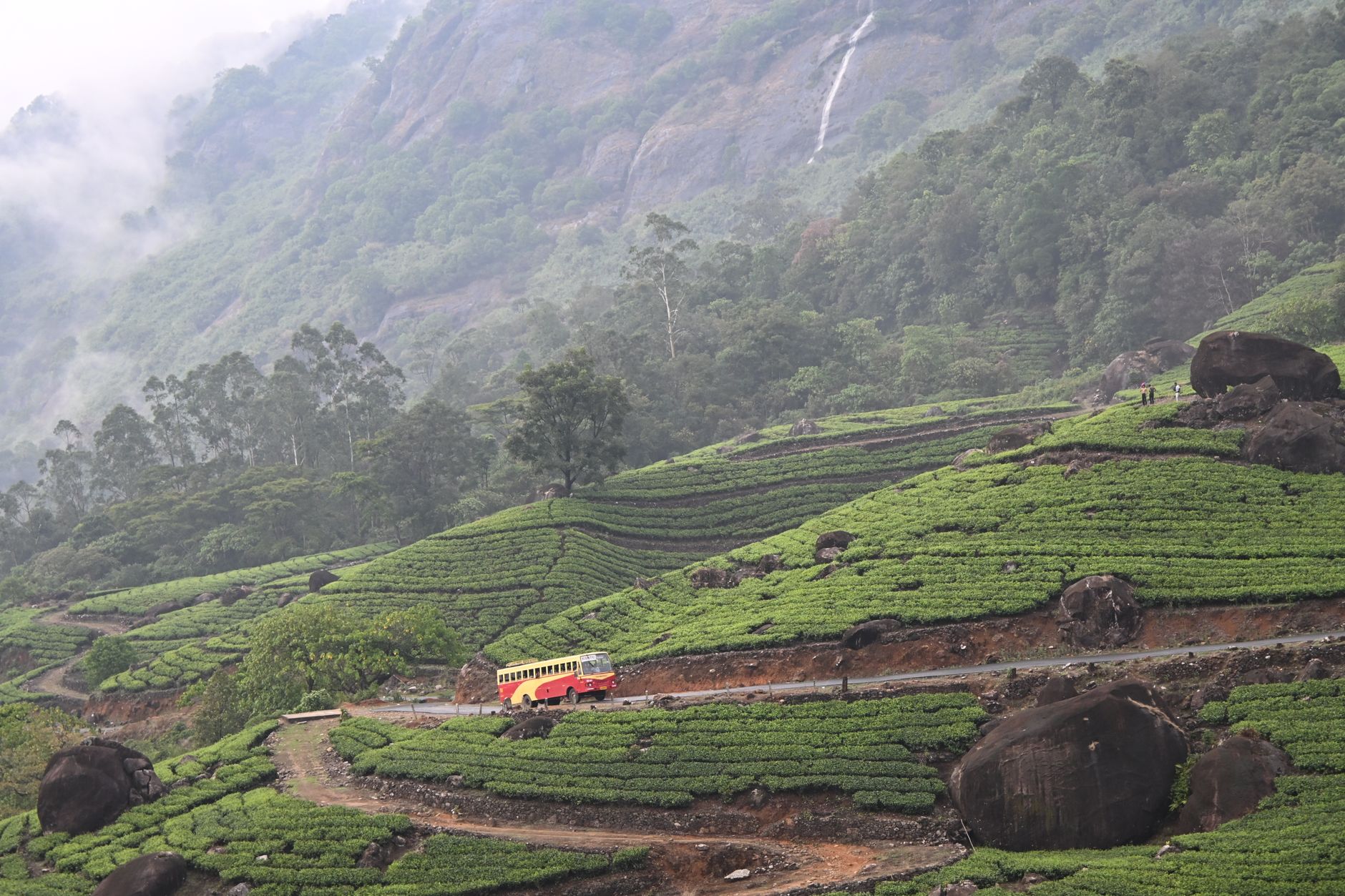
Kerala has long been celebrated as "God's Own Country," drawing millions of visitors annually to its backwaters, hill stations, and pristine beaches. Now, the state is embarking on an ambitious transformation to position itself as India's premier sustainable travel destination, responding to growing global demand for responsible tourism and environmental consciousness.
The Catalyst for Change
The COVID-19 pandemic served as a wake-up call for destinations worldwide, and Kerala was no exception. The state witnessed firsthand how overtourism had strained its delicate ecosystems, from the backwaters of Alleppey to the wildlife sanctuaries of Thekkady. Local communities began questioning whether traditional tourism models were sustainable in the long term, both environmentally and economically.
Additionally, international travelers are increasingly prioritizing destinations that demonstrate commitment to sustainability. A 2023 study showed that nearly 70 percent of global travelers prefer accommodations and experiences that minimize environmental impact. Kerala's tourism department recognized this shift as both a challenge and an opportunity to differentiate itself in India's competitive travel market.
Key Initiatives Underway
Kerala's sustainable tourism strategy encompasses multiple dimensions. The state has introduced stricter regulations on plastic usage in tourist areas, with several destinations implementing complete bans on single-use plastics. Accommodations are being encouraged to adopt green certifications, including waste management systems, solar power, and water conservation measures.
The Responsible Tourism Initiative, launched several years ago but now gaining renewed momentum, promotes community-based tourism projects. These initiatives ensure that tourism revenue directly benefits local populations rather than exclusively enriching large hotel chains and tour operators. Village homestays, locally guided nature walks, and traditional craft workshops are being highlighted as authentic alternatives to conventional tourist experiences.
Protecting Natural Assets
Kerala's biodiversity is among its greatest assets, but also its most vulnerable. The Western Ghats, a UNESCO World Heritage Site running through the state, faces constant pressure from development and visitor numbers. New regulations aim to limit tourist access to sensitive ecological zones while improving infrastructure in designated areas to handle visitors more efficiently.
The backwaters, perhaps Kerala's most iconic attraction, are receiving particular attention. Houseboat operations are being monitored more closely for pollution control, with incentives for operators who switch to electric or hybrid propulsion systems. Some stretches of waterways are being designated as "quiet zones" where motorized vessels are restricted, allowing ecosystems to recover while offering tourists more tranquil experiences.
Community Engagement and Economic Balance
Sustainable tourism isn't merely about environmental protection—it requires economic viability for local communities. Kerala is investing in training programs that help residents develop skills in eco-tourism, organic farming for tourism establishments, and traditional art forms that can be showcased to visitors.
The state is also addressing the seasonal nature of tourism employment by promoting year-round attractions and experiences. Monsoon tourism, once considered off-season, is being rebranded as an opportunity to witness Kerala's lush landscapes at their most vibrant, complete with Ayurvedic wellness programs ideally suited to the rainy season.
Challenges and Skepticism
Despite ambitious plans, Kerala faces significant obstacles. Balancing economic interests with environmental protection remains contentious, particularly when tourism contributes substantially to the state's GDP and employs millions. Stakeholders worry that stricter regulations might drive tourists to neighboring states with fewer restrictions.
Infrastructure development presents another challenge. Creating sustainable tourism requires significant investment in waste treatment facilities, public transportation, and renewable energy—costs that must be absorbed by either the government or private sector. Questions remain about funding mechanisms and implementation timelines.
Setting a National Benchmark
If successful, Kerala's transformation could inspire other Indian states to prioritize sustainability. Destinations like Goa, Himachal Pradesh, and Uttarakhand face similar overtourism challenges and could benefit from Kerala's experience. The state's efforts may demonstrate that sustainable tourism isn't merely an environmental imperative but a competitive advantage in attracting discerning, high-spending travelers.
Kerala's rethinking of tourism represents a crucial test case for India's travel industry. As global consciousness around climate change and responsible travel intensifies, the state's ability to balance preservation with accessibility could determine whether it merely remains a popular destination or becomes a true leader in sustainable tourism for years to come.