India's employment story is undergoing a significant transformation as non-metro cities emerge as powerful engines of job creation. While metropolitan cities like Mumbai, Delhi, and Bangalore have traditionally dominated the corporate landscape, cities such as Visakhapatnam, Surat, Coimbatore, Jaipur, and Indore are now claiming their share of the employment pie.
The Shift Towards Smaller Cities
The migration of jobs to tier-2 and tier-3 cities represents a fundamental change in India's economic geography. Several factors are converging to make these cities attractive destinations for both employers and job seekers. Lower operational costs, improved infrastructure, growing consumer markets, and better internet connectivity have made it viable for companies to establish operations beyond traditional metros.
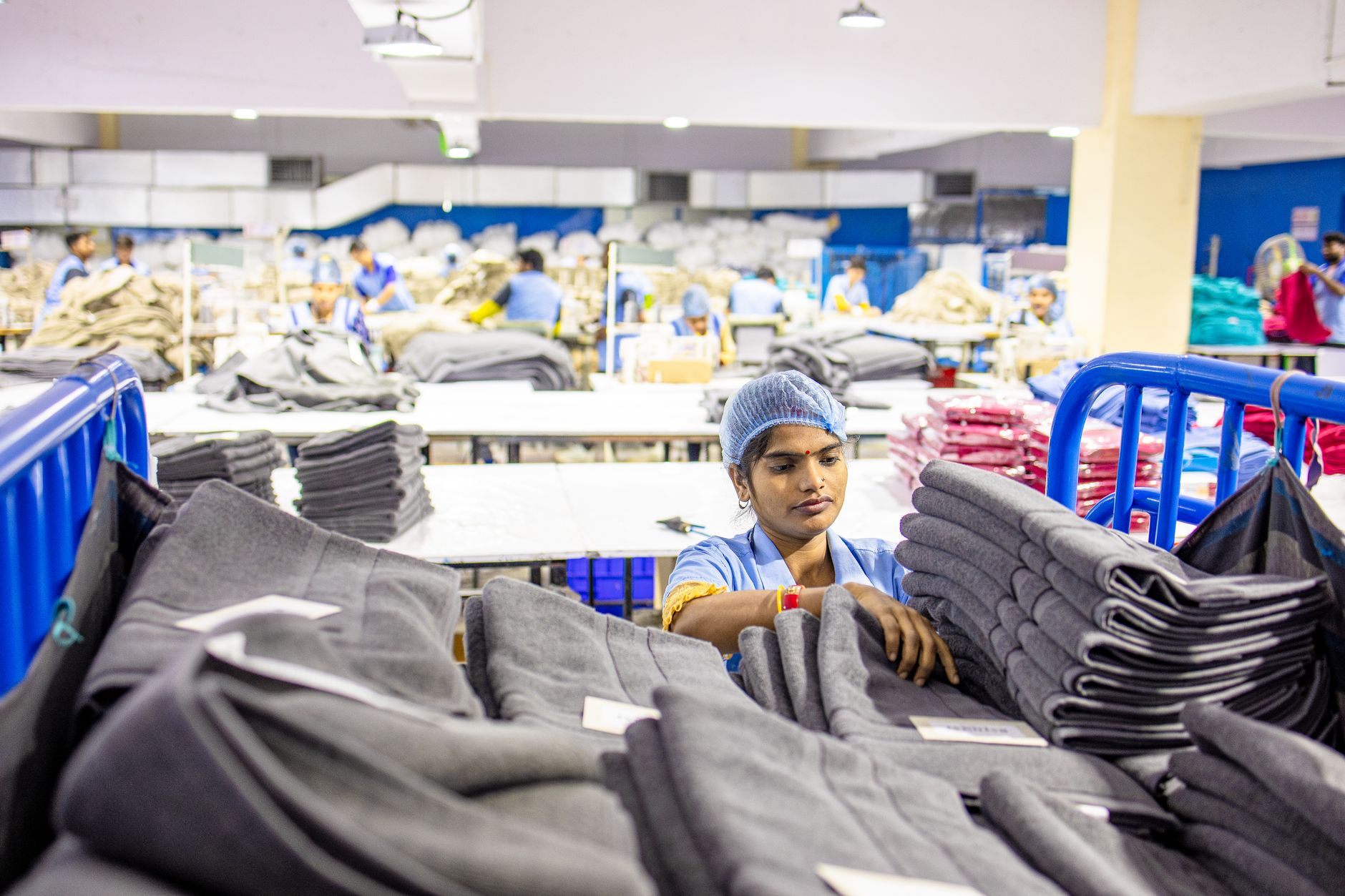
Manufacturing, IT services, healthcare, education, retail, and business process outsourcing sectors are leading this decentralization. Cities like Surat have long been industrial powerhouses in textiles and diamonds, while Visakhapatnam has strengthened its position in pharmaceuticals, IT, and port-related industries.
Why Companies Are Moving Beyond Metros
Cost arbitrage remains the primary driver for this shift. Real estate prices in non-metro cities are significantly lower than in major metros, reducing overhead expenses for businesses. Employee costs are also more manageable, as the cost of living in these cities is substantially lower, allowing companies to offer competitive compensation packages that go further.
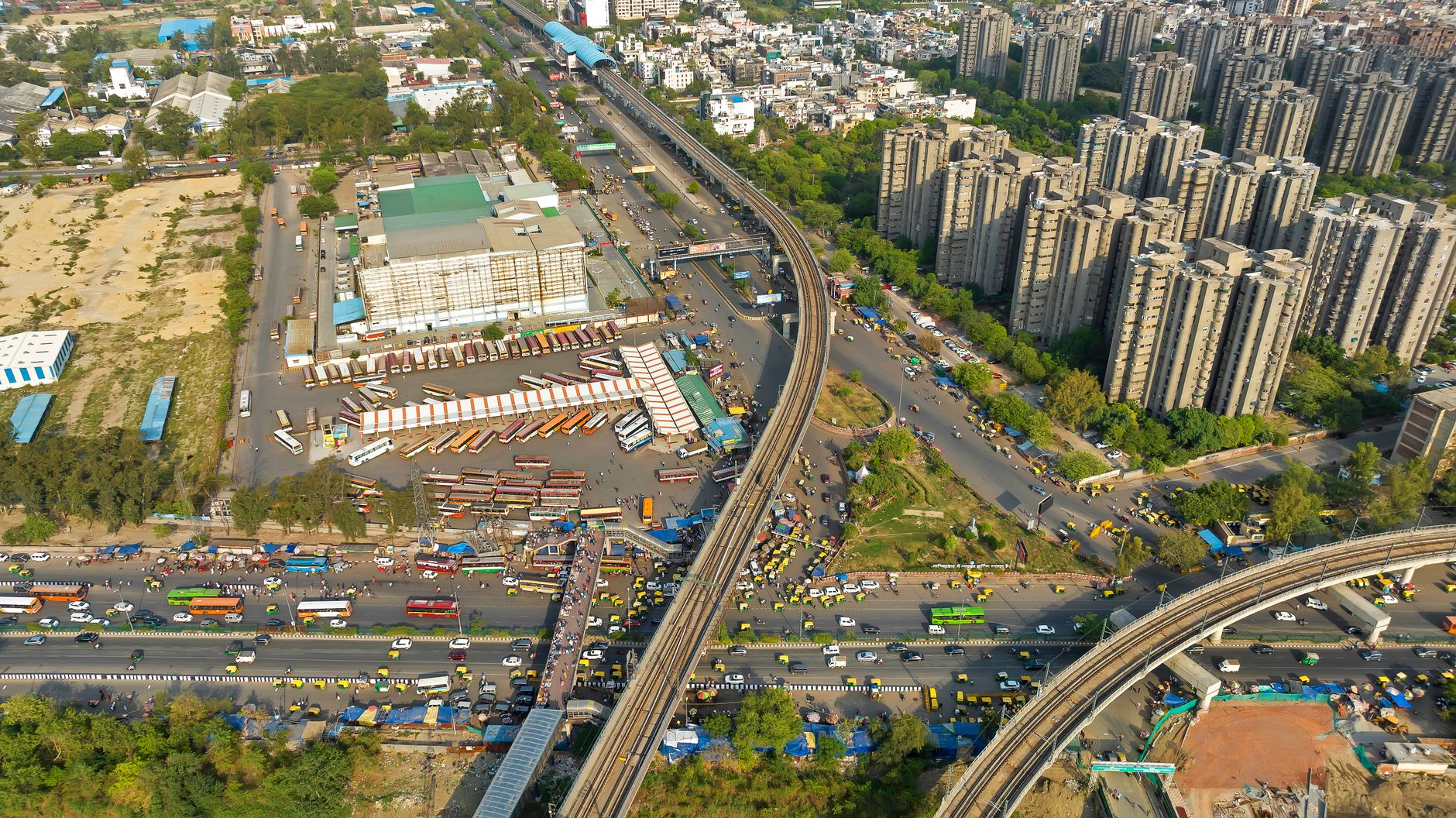
Additionally, metro cities face challenges of saturation, traffic congestion, and intense competition for talent. Non-metro cities offer a relatively untapped talent pool of educated youth who prefer employment opportunities close to home rather than migrating to overcrowded metros.
State governments have also played a crucial role by offering attractive incentives, creating industrial parks, and improving ease of doing business. Special economic zones and dedicated industrial corridors in these regions have further accelerated corporate interest.
Employment Opportunities Across Sectors
The job boom in non-metro cities spans multiple sectors:
- Manufacturing units in automotive, electronics, textiles, and food processing are expanding rapidly in cities like Surat, Coimbatore, and Rajkot
- IT and IT-enabled services companies are setting up offices in Jaipur, Indore, Chandigarh, and Vizag
- Healthcare infrastructure growth has created opportunities for medical professionals, technicians, and support staff
- Retail chains and e-commerce companies are hiring extensively for operations, logistics, and customer service roles
- Educational institutions and ed-tech companies are establishing centers in these emerging hubs
Benefits for Job Seekers
For employees, non-metro cities offer compelling advantages. The work-life balance is generally better with shorter commutes and less stressful living conditions. Housing is more affordable, allowing young professionals to save more or enjoy a higher standard of living.
Family proximity is another significant factor. Many professionals prefer working in their home states or nearby cities, avoiding the emotional and financial costs of migration. This has reduced brain drain from smaller cities and helped retain local talent.
Career growth opportunities in non-metros are also improving. As more multinational corporations and large Indian companies establish presence in these cities, employees gain access to quality training, global exposure, and advancement opportunities without relocating to metros.
Challenges That Remain
Despite the positive trends, non-metro cities face certain challenges. Social infrastructure, including entertainment options, international schools, and specialized healthcare facilities, often lags behind metros. Cultural diversity may be limited compared to cosmopolitan metros, which some professionals find restrictive.
Career mobility can also be a concern. While growing, the job market depth in non-metros remains narrower than in established metros. Professionals seeking frequent job changes or highly specialized roles may find limited options.
The Road Ahead
The jobs boom in non-metro cities appears sustainable and likely to accelerate. Government initiatives like Smart Cities Mission, Digital India, and infrastructure development under national programs are improving connectivity and livability in these urban centers.
The COVID-19 pandemic accelerated this trend by normalizing remote work and demonstrating that location need not dictate productivity. Many companies have adopted hybrid models, making it easier to hire and retain talent across geographies.
As India's economy continues to expand, the distributed growth model offers balanced regional development, reduced pressure on overcrowded metros, and inclusive employment generation. For job seekers, this trend expands choices, allowing them to build meaningful careers without necessarily moving to the biggest cities.
The rise of non-metro employment hubs represents not just an economic shift but a reimagining of where and how Indians work, potentially creating a more equitable and sustainable employment ecosystem across the country.