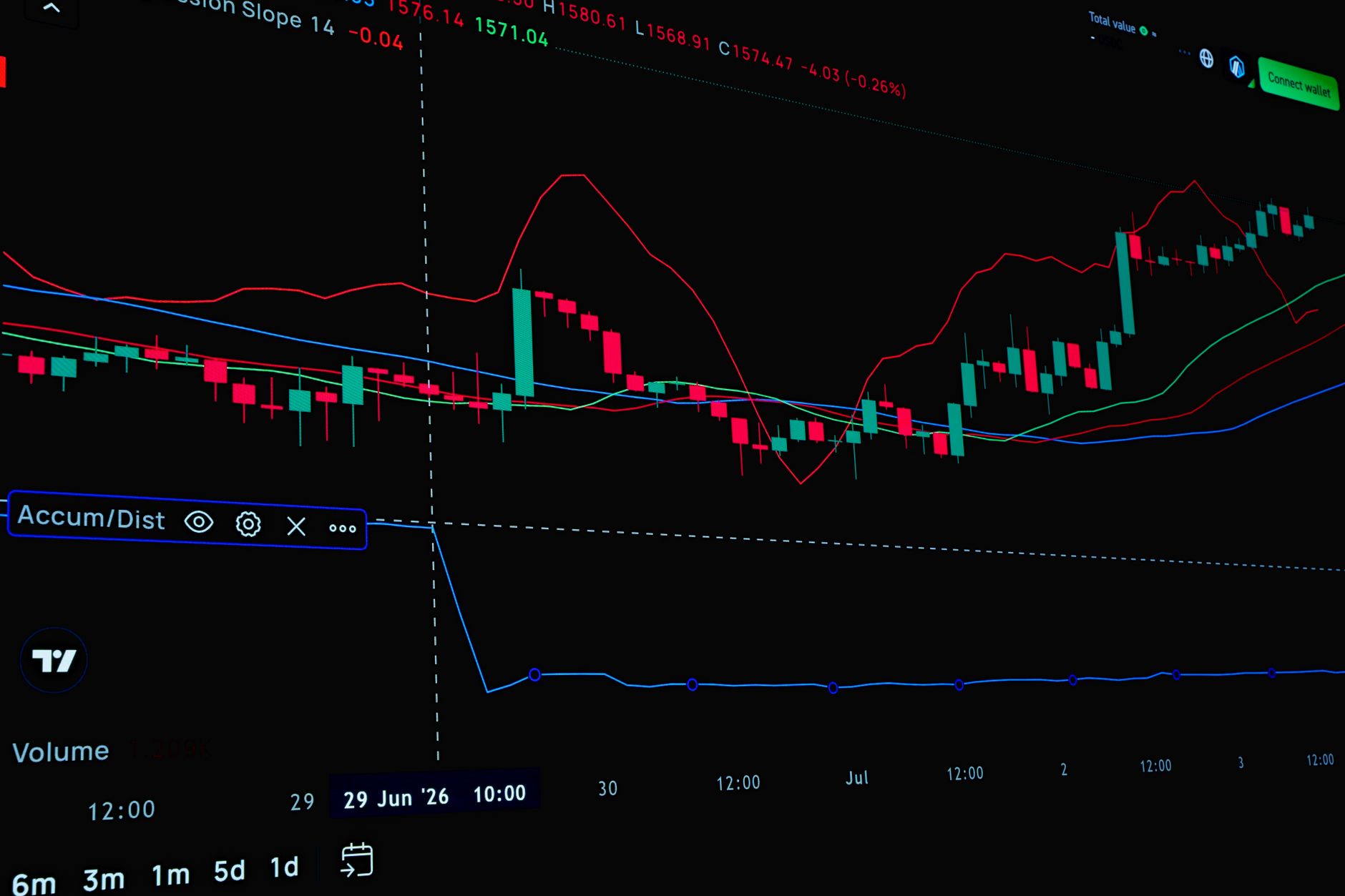
Indian stock markets began the trading session on a positive note, with both the Sensex and Nifty indices registering gains as information technology stocks led the charge. The upward movement comes at a crucial time as market participants prepare for the first-quarter earnings announcements from major companies.
IT Sector Takes the Lead
The information technology sector emerged as the primary driver of market gains during the opening session. IT companies, which form a significant portion of India's benchmark indices, saw increased buying interest from investors. This sector's performance is particularly noteworthy given its sensitivity to global economic conditions and currency fluctuations.
Several factors contribute to the renewed interest in IT stocks. The sector benefits from a weakening rupee against the dollar, as most IT companies derive a substantial portion of their revenue from exports. Additionally, expectations of steady demand for technology services from international clients and positive commentary from global tech giants have bolstered investor confidence.
Earnings Season Sets the Tone
The anticipation surrounding the first-quarter earnings season is palpable among market participants. Quarterly results provide crucial insights into how companies have navigated recent economic challenges, including inflationary pressures, changing consumer behaviour, and global economic uncertainties.
Investors are particularly keen to assess corporate commentary on future business outlook, demand trends, and margin pressures. The earnings season typically sets the tone for market movements in the coming weeks, as results either validate or challenge existing market valuations.
What Drives Market Sentiment
Several interconnected factors influence daily market movements and investor psychology. Understanding these elements helps explain why indices move in particular directions on any given day.
- Global market cues from overnight trading in US and Asian markets often set the initial direction for Indian indices
- Foreign institutional investor activity significantly impacts market liquidity and direction
- Domestic macroeconomic data releases influence medium-term investment decisions
- Sector-specific developments and regulatory changes create rotation among different stock categories
- Currency movements affect export-oriented sectors differently than domestic-focused companies
Broader Market Dynamics
While benchmark indices capture headlines, the broader market picture involves multiple segments. Large-cap stocks that dominate the Sensex and Nifty often move differently from mid-cap and small-cap stocks, which can be more volatile but offer different risk-reward profiles.
Trading volumes and market breadth—the number of advancing versus declining stocks—provide additional context beyond just index levels. A broad-based rally with participation across sectors typically indicates stronger underlying sentiment than gains driven by just a few heavyweight stocks.
Investment Considerations During Earnings Season
The earnings season presents both opportunities and risks for investors. Companies that exceed analyst expectations often see sharp price appreciation, while those that disappoint can face significant selling pressure. This volatility creates potential entry or exit points for tactical investors.
Long-term investors might use earnings season to reassess their portfolio holdings based on updated fundamental information. Management commentary during earnings calls often provides valuable insights into industry trends and company-specific strategies that may not be apparent from financial numbers alone.
Sectoral Rotation Patterns
Markets rarely move uniformly across all sectors. When certain sectors like IT lead gains, it often reflects specific factors benefiting those industries. Investors should recognize that sectoral leadership changes over time based on economic cycles, policy changes, and global trends.
Diversification across sectors helps manage risk, as different industries perform differently under varying economic conditions. Technology, pharmaceuticals, financial services, consumer goods, and infrastructure each respond uniquely to economic variables like interest rates, inflation, and government spending.
Looking Ahead
As the earnings season unfolds, market direction will increasingly depend on actual corporate performance versus expectations. Investors should monitor not just the headline numbers but also management guidance, order books, and commentary on demand trends.
Global factors including central bank policies, geopolitical developments, and commodity prices will continue influencing market sentiment alongside domestic earnings news.
This article is for general informational purposes only and should not be considered as investment advice. Investors should conduct their own research or consult with qualified financial advisors before making investment decisions. Past market performance does not guarantee future results, and stock market investments carry inherent risks including potential loss of capital.