The Seychelles archipelago, long considered an exclusive honeymoon destination, is rapidly transforming into a mainstream choice for Indian travellers seeking pristine beaches, luxury resorts, and unique island experiences. With improved connectivity and competitive pricing, 2026 could mark a watershed moment for Indian tourism to this Indian Ocean paradise.
Why Seychelles Appeals to Indian Tourists
Seychelles has always held romantic appeal, but several factors are driving its newfound popularity among Indian holidaymakers. The archipelago of 115 islands offers crystal-clear turquoise waters, white-sand beaches, and world-class diving opportunities that rival or surpass more traditional Indian tourist destinations like Maldives or Mauritius.
The absence of a language barrier helps considerably, as English is widely spoken throughout the islands. Additionally, Seychelles offers visa-free entry for Indian passport holders, eliminating bureaucratic hurdles that complicate travel to many other destinations. Visitors receive a visitor's permit on arrival, valid for up to three months, making trip planning remarkably straightforward.
The Connectivity Revolution
The game-changer for 2026 appears to be enhanced flight connectivity between India and Seychelles. Historically, limited direct flights and high ticket prices kept Seychelles firmly in the luxury segment. However, airlines are now recognizing the untapped potential of the India-Seychelles route.
Direct flights from major Indian metros reduce travel time significantly compared to options requiring layovers in Middle Eastern hubs. When journey time drops from 10-12 hours to 4-5 hours, the destination becomes far more attractive for week-long holidays rather than exclusively extended honeymoons.
Increased competition on these routes naturally drives down ticket prices, making Seychelles accessible to upper-middle-class families and not just ultra-high-net-worth individuals. This democratization of access could fundamentally reshape the tourist demographic visiting the islands.
Expanding Holiday Opportunities
Tour operators are responding to growing demand by creating diverse packages that go beyond the traditional beach-resort model. Adventure tourism options now include island-hopping experiences, hiking through Morne Seychellois National Park, and snorkeling or diving at sites teeming with marine life.
Cultural tourism is also gaining traction, with visitors exploring Creole heritage, visiting spice plantations, and experiencing local cuisine that blends African, French, Indian, and Chinese influences. The capital city of Victoria offers markets, museums, and botanical gardens that provide context beyond sun and sand.
Sustainable tourism initiatives are another draw for environmentally conscious travellers. Seychelles has positioned itself as a leader in marine conservation, with numerous protected areas and eco-resorts that allow visitors to enjoy natural beauty while minimizing environmental impact.
What Makes 2026 Different
Several factors converge to make 2026 potentially record-breaking. Post-pandemic travel revenge spending continues, with Indians prioritizing international holidays after years of restricted movement. The rupee's performance against the Seychellois rupee, while variable, has been relatively favorable compared to destinations with dollar or euro pricing.
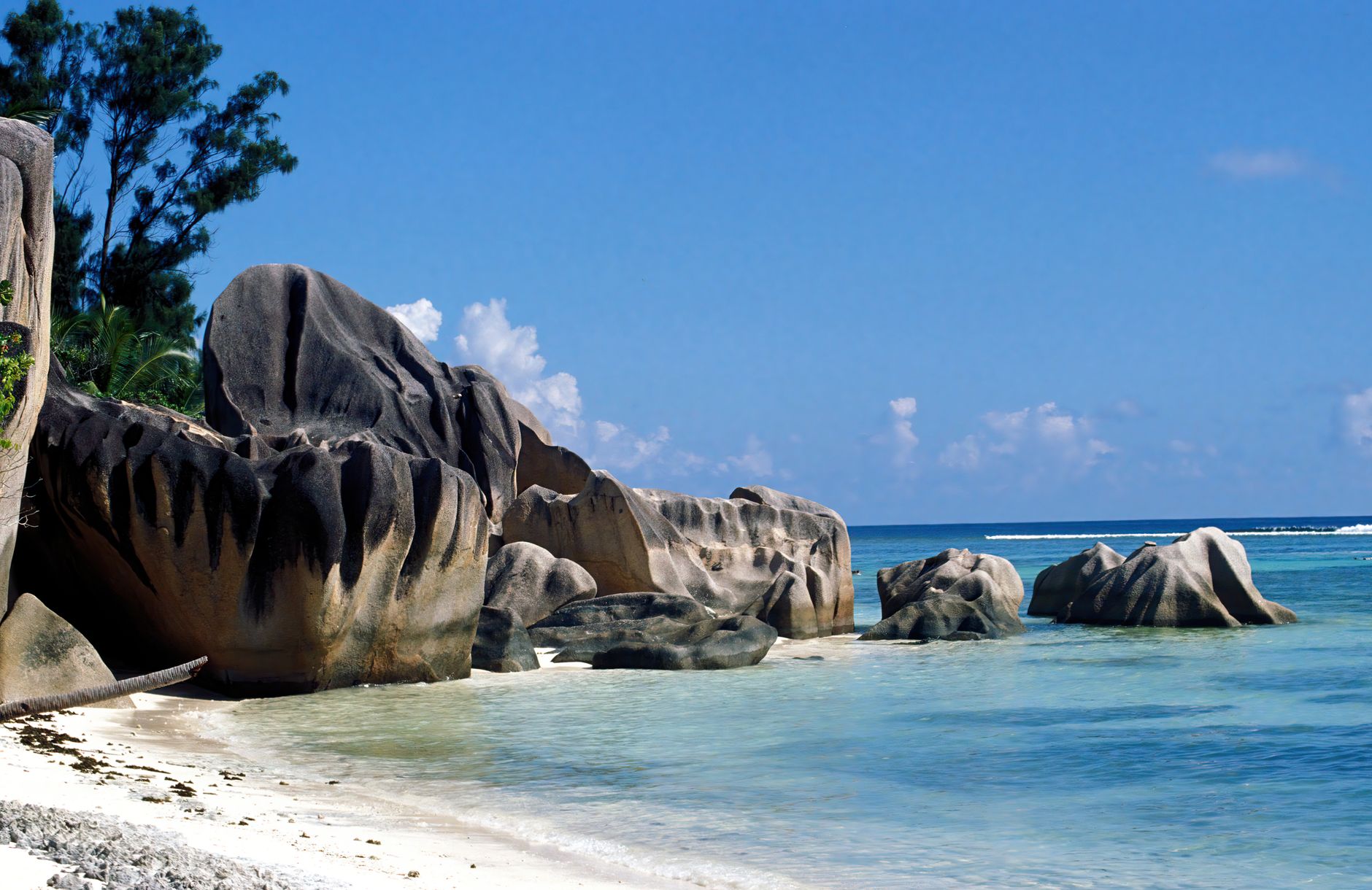
Additionally, social media has played an enormous role in destination discovery. Instagram-worthy locations in Seychelles, particularly Anse Source d'Argent on La Digue island and the rock formations at various beaches, have gone viral among Indian influencers and content creators, generating organic interest that traditional advertising could never match.
The wedding and honeymoon industry also contributes significantly, as Seychelles offers both intimate beach ceremonies and luxury resort packages that cater specifically to Indian preferences, including vegetarian cuisine options and respect for cultural customs.
Planning Considerations
Despite growing accessibility, Seychelles remains a premium destination compared to Southeast Asian alternatives. Accommodation costs can be high, though the range now extends from budget guesthouses to ultra-luxury private island resorts. Travellers should budget carefully, as island destinations typically have elevated food and activity costs.
The best time to visit is during the dry season from May to September, though prices peak accordingly. The shoulder months of April and October offer good weather with slightly better value. Booking well in advance becomes crucial as demand increases, particularly for direct flights and popular resort properties.
The Broader Impact
This tourism surge benefits both nations economically. For Seychelles, Indian tourists represent a growing market segment that helps diversify beyond traditional European visitors. For India, the trend reflects rising prosperity and evolving travel preferences among its expanding middle class.
As 2026 approaches, the combination of infrastructure improvements, competitive pricing, and destination marketing appears set to deliver unprecedented numbers of Indian visitors to these stunning islands.