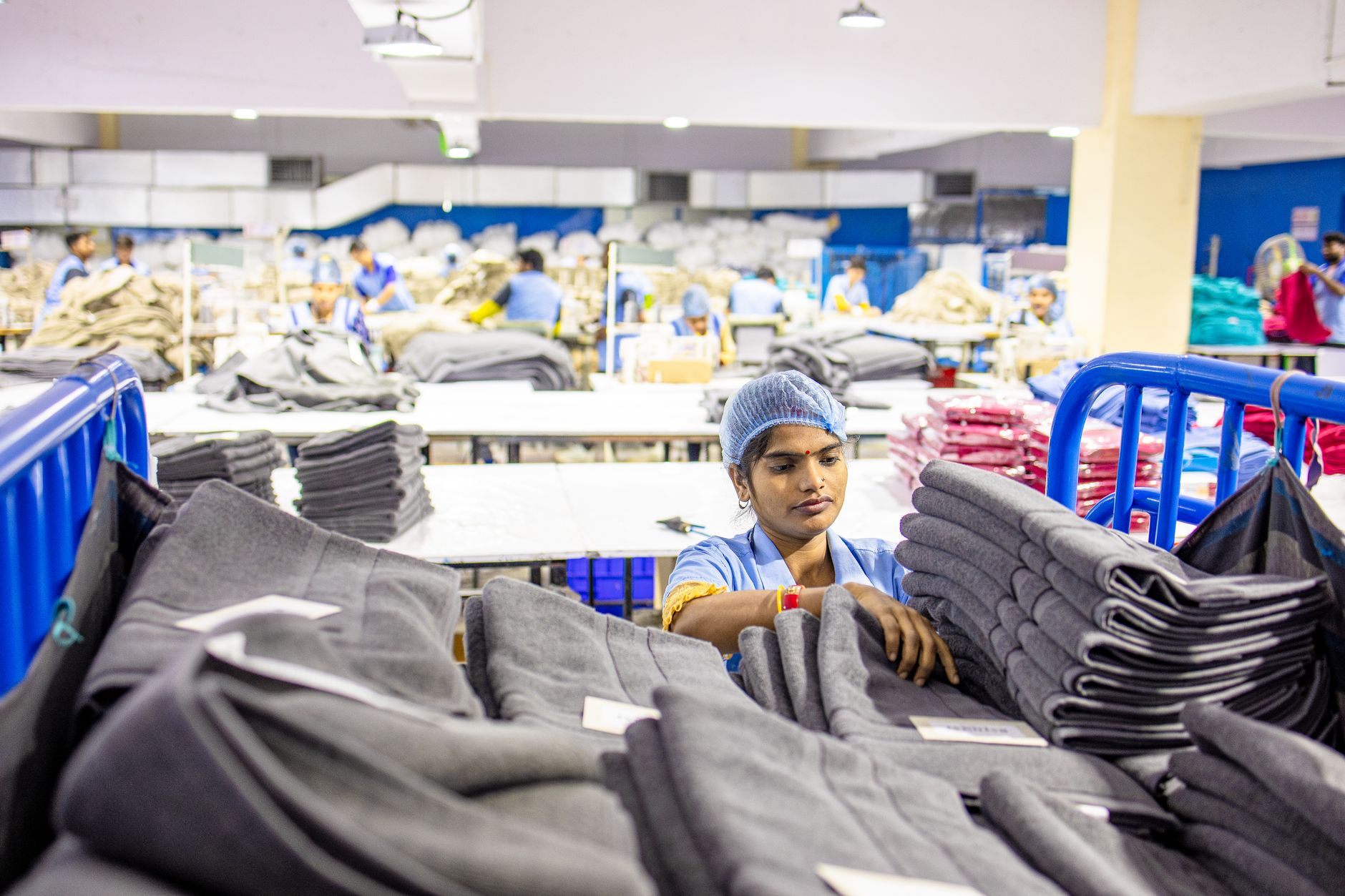
India's employment landscape is undergoing a remarkable transformation as opportunities increasingly spread beyond the traditional metropolitan hubs of Delhi, Mumbai, and Bangalore. Smaller cities are now capturing attention as vibrant job markets, offering fresh prospects for job seekers and businesses alike.
The Rise of Tier-2 and Tier-3 Cities
The emergence of cities like Visakhapatnam, Surat, Ludhiana, and Prayagraj as significant employment destinations marks a fundamental shift in how India's economy is distributing opportunities. These cities are experiencing rapid growth in hiring activity, driven by a combination of factors including improved infrastructure, lower operational costs, and expanding local industries.
This trend represents more than just decentralization—it reflects a maturing economy where growth is no longer concentrated in a handful of urban centers. For professionals, this means increased options for building careers without the necessity of relocating to expensive metropolitan areas.
What's Driving Growth in These Cities
Several factors contribute to the rising prominence of these emerging job markets:
- Government initiatives promoting industrial development in tier-2 and tier-3 cities
- Improved digital infrastructure enabling remote and hybrid work arrangements
- Lower cost of living attracting both companies and employees
- State-specific policies offering incentives for business establishment
- Growing consumer markets in these regions creating local demand
- Expansion of educational institutions producing skilled local talent
Visakhapatnam: The Industrial Powerhouse
Visakhapatnam has long been known for its port and naval presence, but the city is rapidly diversifying its economic base. The pharmaceutical sector, IT services, and manufacturing industries are expanding significantly. The city's strategic coastal location and well-developed infrastructure make it attractive for industries requiring logistics capabilities.
Surat: Beyond Diamonds and Textiles
While Surat has traditionally been associated with diamond cutting and textile manufacturing, the city is evolving into a multifaceted economic center. The growth of ancillary industries, trading businesses, and increasingly, technology startups, is creating diverse employment opportunities. The city's entrepreneurial culture continues to drive job creation across sectors.
Ludhiana: Manufacturing and More
Ludhiana's established reputation as a manufacturing hub is being complemented by growth in sectors like logistics, retail, and services. The city's proximity to major markets and its strong industrial base provide a foundation for sustained job growth. Small and medium enterprises in the region are particularly active in hiring.
Prayagraj: Education and Services Sector
Prayagraj's transformation includes significant growth in the education sector, government services, and tourism-related industries. The city's cultural significance, combined with infrastructure development, is creating opportunities in diverse fields including hospitality, event management, and administrative services.
Advantages for Job Seekers
Professionals considering opportunities in these emerging cities can benefit from several advantages:
- Reduced competition compared to saturated metropolitan markets
- Lower housing and living expenses enabling better savings
- Shorter commute times improving work-life balance
- Growing industries offering career advancement potential
- Opportunity to be part of a city's growth story
- Closer proximity to family for those from nearby regions
Challenges to Consider
Despite the opportunities, job seekers should also be aware of certain limitations. These cities may offer fewer options in highly specialized fields compared to metros. Networking opportunities and professional communities might be less developed. Additionally, some amenities and entertainment options available in larger cities may be limited.
What This Means for Career Planning
For early and mid-career professionals, these emerging cities present genuine alternatives to the traditional metro-centric career path. The key is to research specific industries and companies operating in these locations, understand the local job market dynamics, and assess whether the available opportunities align with long-term career goals.
Companies expanding to these cities often seek talent willing to establish operations and build teams, potentially offering faster career progression than might be available in more established locations.
The Future Outlook
The trend toward employment decentralization is likely to accelerate as digital connectivity improves and companies recognize the advantages of geographic diversification. For India's economic development, this distribution of opportunities is crucial for balanced regional growth and can help address the strain on metropolitan infrastructure.
As these cities continue developing their economic ecosystems, they may well become preferred destinations rather than alternatives, offering quality of life advantages alongside genuine career opportunities.
This article provides general information about employment trends and should not be construed as specific career advice. Individual career decisions should be based on personal circumstances, thorough research, and professional guidance where appropriate.