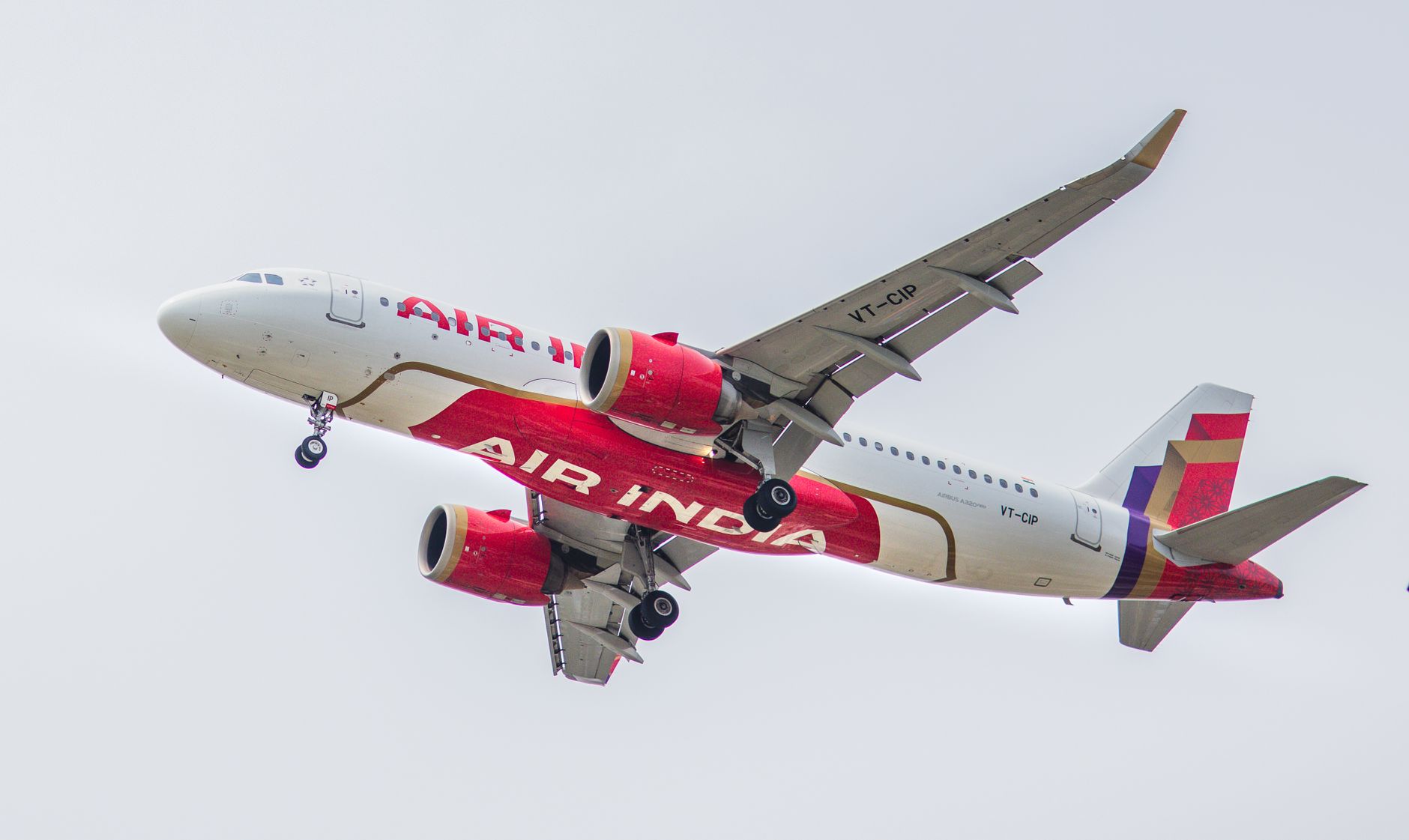
India's tourism sector is receiving a significant boost through a newly formalized partnership between the Ministry of Tourism and Air India, the country's flagship carrier. This collaboration aims to synergize government promotional efforts with the airline's commercial reach to attract more international visitors to India while showcasing the nation's diverse destinations on a global stage.
The Strategic Rationale Behind the Partnership
The timing of this partnership reflects India's ambition to reclaim and expand its share of global tourism, which has become increasingly competitive in the post-pandemic era. By aligning the Tourism Ministry's promotional campaigns with Air India's route network and customer touchpoints, the initiative seeks to create a unified brand experience for potential travelers from the moment they consider visiting India through their actual journey.
Air India, under its new ownership and ongoing transformation, has been expanding its fleet and international destinations. This growth trajectory makes it an ideal partner for tourism promotion, as the airline serves as both a literal gateway to India and a mobile ambassador of Indian hospitality and culture.
Key Components of the Collaboration
While specific details of such agreements typically include multiple facets, partnerships of this nature generally encompass several strategic elements:
- Joint marketing campaigns in key international markets where Air India operates
- Showcasing tourism destinations through in-flight entertainment, magazine content, and digital platforms
- Coordinated promotional activities at international travel trade shows and consumer exhibitions
- Potential fare incentives or packages that combine air travel with tourism experiences
- Cross-promotion on respective digital and social media channels
The partnership likely focuses on priority markets where India sees the greatest potential for tourism growth, including North America, Europe, Australia, and select Asian markets.
Impact on India's Tourism Competitiveness
India has been working to position itself as a year-round destination offering everything from heritage tourism and spiritual journeys to adventure sports and luxury experiences. However, the country faces stiff competition from Southeast Asian nations and other emerging destinations that have invested heavily in tourism infrastructure and marketing.
This public-private collaboration addresses a critical gap in India's tourism strategy. While the country possesses extraordinary assets—from the Himalayas to tropical beaches, from ancient monuments to vibrant cities—effectively communicating these offerings to international audiences requires sustained, professional marketing backed by convenient connectivity.
The Broader Context of Indian Tourism
The Indian government has identified tourism as a key economic driver with potential to generate employment across skill levels and contribute significantly to GDP. Recent initiatives like the e-visa program, development of tourism circuits under the Swadesh Darshan scheme, and infrastructure improvements at heritage sites all complement the marketing push that this Air India partnership enables.
International tourist arrivals to India have been recovering from pandemic-era lows, but the country aims to significantly exceed previous peaks. The government has set ambitious targets for both international and domestic tourism, viewing the sector as essential for inclusive economic growth.
Air India's Transformation Journey
For Air India, this partnership aligns with its broader strategy to rebuild its brand and reputation under new management. The airline has been modernizing its fleet, improving service standards, and expanding its network after years of challenges. Being associated with India's tourism promotion efforts reinforces its identity as the national carrier while providing marketing visibility.
The airline's improved financial health and operational performance make it a more credible partner for such initiatives compared to its previous state-owned incarnation.
Expected Outcomes and Measurement
Success in tourism marketing requires sustained effort and measurement across multiple metrics. The partnership will likely be evaluated based on international visitor growth from target markets, awareness levels in promotional campaigns, and ultimately, tourism revenue generation.
The collaboration may also spark similar partnerships with other airlines serving India, creating a multiplier effect in which various carriers participate in promoting Indian destinations, albeit with different focal points or regional emphases.
Looking Ahead
As global travel continues its recovery and evolution, India's ability to capture traveler interest depends on consistent messaging, improved visitor experiences, and accessible connectivity. This Tourism Ministry-Air India partnership represents an important step in creating that ecosystem, though its success will ultimately depend on execution quality, budget allocation, and coordination between the public and private sectors.
The coming months will reveal how effectively this collaboration translates into tangible campaigns and whether it succeeds in shifting international perceptions of India as a must-visit destination in an increasingly crowded global tourism marketplace.