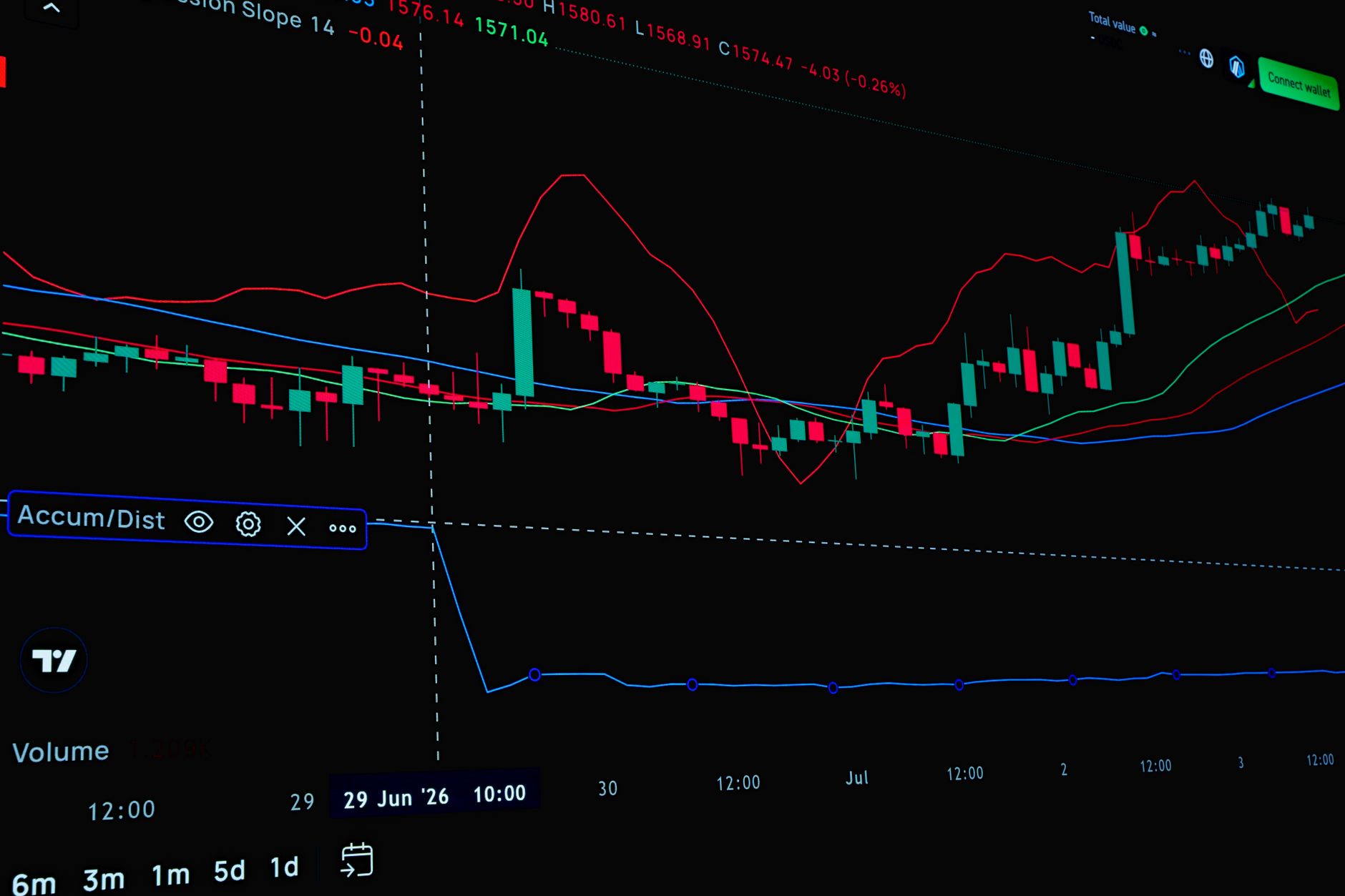
American stock markets delivered a positive session as investors digested two key pieces of encouraging news: inflation showing signs of further cooling and major financial institutions reporting robust earnings. The S&P 500 and Nasdaq Composite both closed higher, reflecting renewed optimism about the economic outlook and the possibility of a more accommodative monetary policy environment ahead.
Understanding the Inflation Cool-Down
Inflation data plays a crucial role in shaping market sentiment because it directly influences central bank policy decisions. When inflation numbers come in lower than anticipated, it suggests that the economy may be cooling without tipping into recession—the so-called "soft landing" scenario that investors have been hoping for throughout the past year.
Cooler inflation readings typically mean the Federal Reserve may not need to maintain aggressive interest rate policies for as long as previously thought. Lower interest rates generally benefit stock valuations, particularly for growth-oriented technology companies whose future earnings become more valuable in a lower-rate environment. This explains why the Nasdaq, which is heavily weighted toward tech stocks, responded positively to the news.
For Indian investors watching US markets, these inflation trends matter significantly. Global capital flows, currency movements, and even Indian stock valuations are influenced by US monetary policy and economic conditions.
The Banking Sector's Strong Performance
The solid earnings reports from major US banks provided additional fuel for the market rally. Banks serve as important barometers of economic health because their performance reflects lending activity, consumer spending patterns, and overall business confidence.
When banks report strong earnings, it typically indicates several positive factors:
- Healthy loan portfolios with manageable default rates
- Strong consumer and business demand for credit
- Effective management of interest rate environments
- Resilient economic activity despite higher borrowing costs
The banking sector's performance is particularly noteworthy given the concerns earlier in the year about regional bank stability. Strong results from major institutions help rebuild confidence in the financial system's overall health.
What This Means for Different Investor Types
For long-term investors, these developments suggest that the US economy may be navigating a challenging period more successfully than feared. A combination of cooling inflation and corporate resilience creates a more favorable backdrop for equity investments.
Growth investors, particularly those focused on technology sectors, benefit most from cooling inflation. Lower inflation reduces pressure on interest rates, which increases the present value of future earnings—a key factor in valuing high-growth companies.
Value investors and income seekers should note that while lower inflation is generally positive, it may eventually lead to lower interest rates on fixed-income securities. This makes the current higher-yield environment potentially more attractive for locking in returns before rates potentially decline.
Global Implications and Indian Market Connections
US market movements have significant ripple effects across global markets, including India. When US markets rally on positive economic data, it often leads to:
- Increased foreign institutional investor appetite for emerging markets
- Potential strengthening of the US dollar, which affects currency exchange rates
- Improved sentiment toward risk assets globally
- Greater capital availability for international investments
Indian investors with exposure to US markets through mutual funds, ETFs, or direct stock holdings benefit from these upward movements. Additionally, Indian IT services companies with significant US revenue exposure often see positive sentiment when the US economy shows resilience.
Looking Ahead: Key Factors to Monitor
While one day's positive performance is encouraging, investors should continue monitoring several key indicators in coming weeks and months. The trajectory of inflation data in subsequent reports will confirm whether the cooling trend is sustained or temporary. Corporate earnings across other sectors beyond banking will provide a broader picture of economic health.
Federal Reserve communications and policy decisions remain critical, as central bank actions will ultimately determine the interest rate environment that shapes investment returns across asset classes. Global economic developments, including growth patterns in major economies and geopolitical factors, will also influence market direction.
The current market response demonstrates how sensitive investor sentiment remains to economic data. While positive news provides short-term momentum, building a diversified portfolio aligned with your risk tolerance and investment horizon remains the most prudent approach regardless of daily market fluctuations.
This article is for general informational purposes only and should not be considered personalized investment advice. Market conditions can change rapidly, and past performance does not guarantee future results. Consult with a qualified financial advisor before making investment decisions.