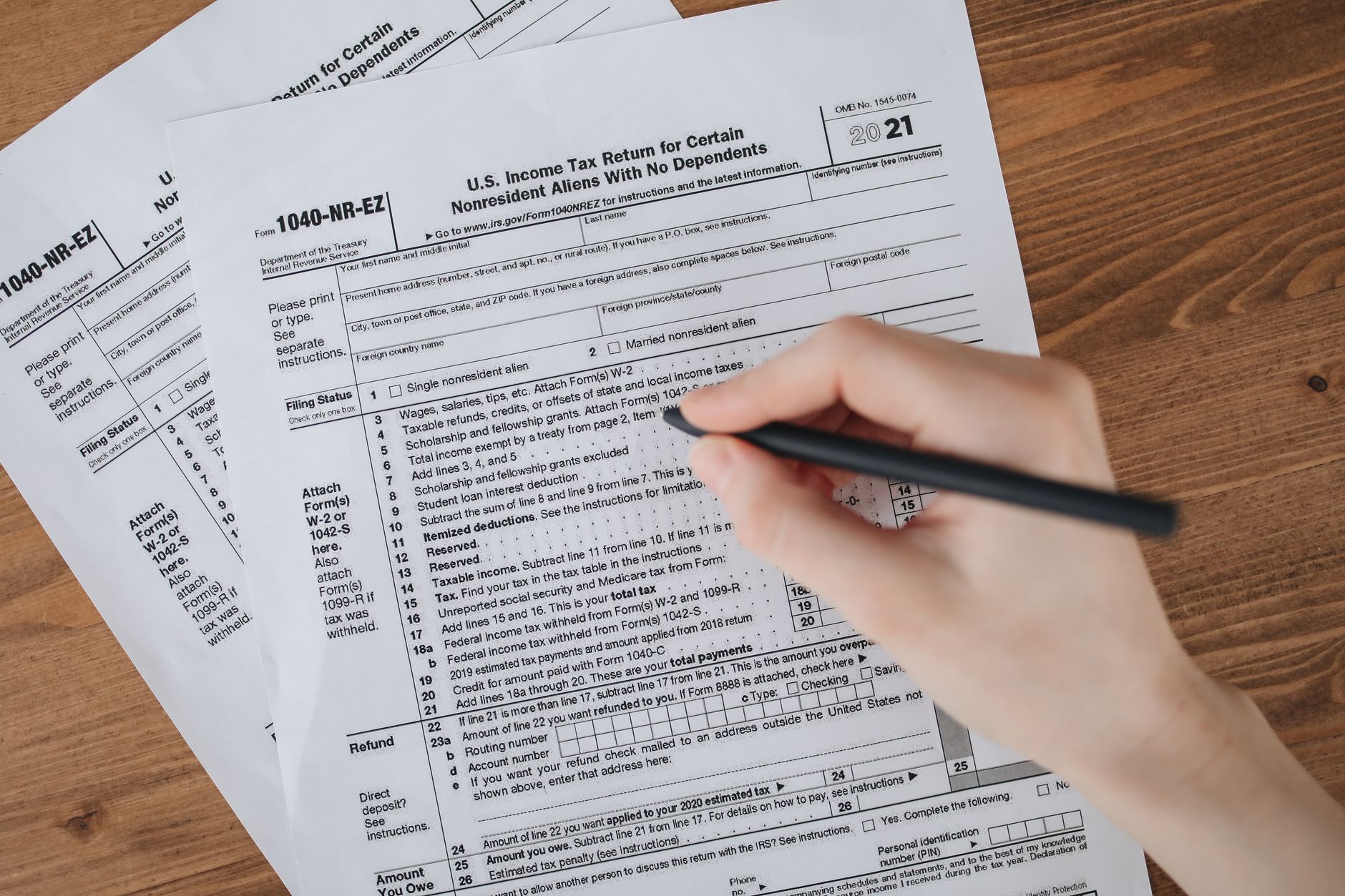
Filing income tax returns is an annual responsibility for millions of Indians, but selecting the appropriate ITR form often confuses taxpayers. The Income Tax Department has prescribed different forms based on the nature of income, residential status, and taxpayer category. For Assessment Year 2026-27 (Financial Year 2025-26), understanding which form applies to your situation is essential for smooth tax compliance.
Understanding ITR Forms: An Overview
The Income Tax Department provides seven different ITR forms, numbered ITR-1 through ITR-7. Each form caters to specific categories of taxpayers and income sources. Using the wrong form can lead to rejection of your return, processing delays, or notices from the tax department.
The key to selecting the right form lies in identifying your sources of income, total income amount, residential status, and whether you're an individual, Hindu Undivided Family (HUF), or business entity.
ITR-1 (Sahaj): For Salaried Individuals
ITR-1 is the simplest form designed for resident individuals with straightforward income sources. You can use this form if your total income is up to Rs 50 lakh and includes:
- Salary or pension income
- Income from one house property (excluding cases where loss is brought forward)
- Income from other sources (interest from savings accounts, fixed deposits, etc.)
- Agricultural income up to Rs 5,000
You cannot use ITR-1 if you have capital gains, business income, or income from more than one house property. Non-residents and individuals holding foreign assets are also ineligible for this form.
ITR-2: For Individuals Without Business Income
ITR-2 applies to individuals and HUFs who don't have income from business or profession. This form is suitable when you have:
- Income exceeding Rs 50 lakh from salary or pension
- Capital gains from selling stocks, property, or other assets
- Multiple house properties
- Foreign income or assets
- Directorship in a company
This form is more detailed than ITR-1 and requires disclosure of various schedules depending on your income sources.
ITR-3: For Business Owners and Professionals
Individuals and HUFs with income from proprietary business or professional practice must file ITR-3. This includes:
- Doctors, lawyers, consultants, and other professionals
- Sole proprietors running businesses
- Partners in firms (for their share of income)
ITR-3 requires detailed profit and loss statements and balance sheets, making it more comprehensive than the previous forms.
ITR-4 (Sugam): For Presumptive Income Schemes
ITR-4 is designed for resident individuals, HUFs, and firms (other than LLPs) opting for presumptive taxation schemes under Sections 44AD, 44ADA, or 44AE. This simplified form is available when:
- Total income doesn't exceed Rs 50 lakh
- You've opted for presumptive taxation (declaring profits at prescribed rates without maintaining detailed books)
- Income sources include salary, one house property, and presumptive business income
This form reduces the compliance burden for small taxpayers who maintain simplified accounts.
ITR-5, ITR-6, and ITR-7: For Entities
These forms cater to different types of entities:
ITR-5 is for LLPs, AOPs (Association of Persons), BOIs (Body of Individuals), artificial juridical persons, estates of deceased persons, and business trusts.
ITR-6 is specifically for companies other than those claiming exemption under Section 11 (charitable trusts).
ITR-7 is for entities claiming exemption under Sections 139(4A), 139(4B), 139(4C), or 139(4D), including charitable trusts, political parties, research institutions, and news agencies.
Key Considerations When Selecting Your ITR Form
Before finalizing your ITR form, consider these factors:
- Verify all your income sources comprehensively
- Check your residential status (resident, non-resident, or not ordinarily resident)
- Determine if you hold any foreign assets or have foreign income
- Assess whether you're eligible for presumptive taxation schemes
- Consider any capital gains from asset sales during the year
Common Mistakes to Avoid
Many taxpayers file the wrong ITR form due to oversight. Avoid these common errors:
- Using ITR-1 when you have capital gains
- Failing to disclose foreign assets in appropriate forms
- Not switching to ITR-2 when income exceeds Rs 50 lakh
- Filing ITR-4 when not eligible for presumptive taxation
Filing Process and Deadlines
Once you've identified the correct form, ensure timely filing. The usual deadline for individuals not requiring audit is July 31st of the assessment year, though the government occasionally extends this date.
The Income Tax Department's e-filing portal provides step-by-step guidance, and the portal itself suggests the applicable form based on your inputs. However, the final responsibility of selecting the correct form lies with the taxpayer.
This article provides general information about ITR forms and their applicability. Tax laws are subject to change, and individual circumstances vary. For specific advice regarding your tax situation, please consult a qualified chartered accountant or tax professional.