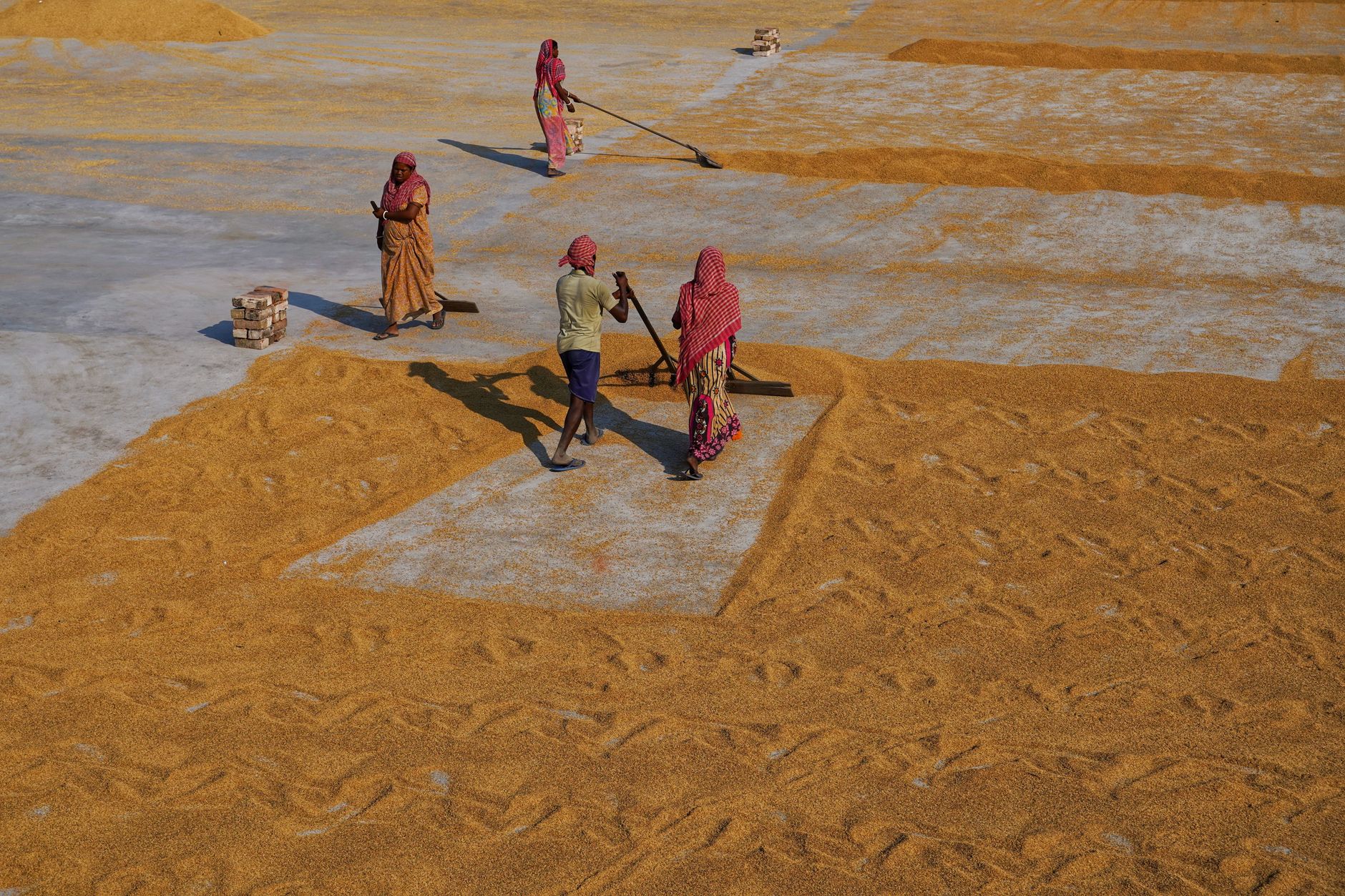
India's Public Distribution System (PDS) provides subsidized food grains to millions of households, yet complaints about the quality of ration rice persist across the country. Understanding why this essential safety net often delivers substandard grain requires examining the complex economics, logistics, and incentives that shape the system.
The Procurement and Price Mechanism
The government procures rice and wheat from farmers at Minimum Support Prices (MSP) to maintain buffer stocks and supply the PDS. However, the procurement system creates an unintended quality filter. Farmers naturally prefer selling their best produce in open markets where prices often exceed MSP, especially for premium varieties. The government procurement system becomes the buyer of last resort, receiving grain that farmers cannot sell elsewhere at better rates.
This economic rationality means that while the grain meets basic food safety standards, it rarely represents the finest quality available. Farmers maximize their returns by channeling superior grains toward private buyers willing to pay premium prices, while directing average or below-average quality grain toward government procurement centers.
Storage and Distribution Challenges
Once procured, rice must be stored in Food Corporation of India (FCI) warehouses before distribution. India's storage infrastructure, though improved in recent years, remains inadequate for the massive quantities involved. Extended storage periods, particularly in facilities with poor ventilation or moisture control, lead to grain degradation.
Factors affecting stored grain quality include:
- Pest infestation during prolonged storage periods
- Moisture damage in warehouses lacking proper climate control
- Fungal growth in improperly maintained storage facilities
- Physical damage from repeated handling and transportation
- Mixing of old stock with new procurement
The time lag between procurement and final distribution can span several months, during which quality deteriorates. States with better storage infrastructure tend to report fewer complaints about ration grain quality.
The Cost Optimization Factor
The PDS operates under tight fiscal constraints. The government bears the difference between procurement cost, storage expenses, transportation, and the highly subsidized issue price to beneficiaries. This economic burden creates pressure to minimize all operational costs.
Cost optimization efforts can inadvertently affect quality through reduced investment in storage facilities, minimal quality testing at distribution points, and limited rejection of substandard batches. The system prioritizes quantity and timely delivery over premium quality, ensuring caloric security rather than culinary excellence.
Varietal Differences and Regional Preferences
Government procurement often focuses on high-yielding varieties that maximize output per hectare rather than traditional varieties preferred for taste and texture. These varieties, while nutritionally adequate, may lack the cooking characteristics and flavor profiles that consumers desire.
Regional taste preferences compound this issue. A variety considered acceptable in one state might be deemed inferior in another region accustomed to different rice types. The standardized approach to procurement cannot accommodate the diverse culinary traditions across India's states.
Leakage and Substitution in the Supply Chain
Despite improvements through digitization and Aadhaar-linking, the PDS supply chain remains vulnerable to pilferage and substitution. Better quality grain allocated for PDS sometimes gets diverted to open markets, replaced with inferior stock. This illegal practice, though reduced, continues in some areas, further degrading the quality that reaches end beneficiaries.
Investment Perspective and System Reform
From an investment and policy standpoint, improving PDS grain quality requires capital allocation toward modern storage infrastructure, better transportation logistics, and enhanced quality monitoring systems. Some states have experimented with direct benefit transfers, allowing beneficiaries to purchase rice of their choice from open markets using subsidies.
These reforms involve trade-offs between fiscal costs and beneficiary satisfaction. Investors in agri-storage, cold chain logistics, and food processing sectors should monitor PDS reforms, as substantial infrastructure upgrades could create commercial opportunities.
The quality debate also intersects with broader food security financing. International development banks and impact investors increasingly focus on sustainable food systems, where PDS modernization represents a significant target for both social impact and financial returns.
The Path Forward
Addressing ration rice quality requires systemic changes: upgrading storage infrastructure, reducing procurement-to-distribution time lags, implementing stricter quality controls, and possibly allowing beneficiaries more choice through cash transfers or voucher systems. Each solution involves fiscal implications that must balance budgetary constraints against the dignity and nutrition security of beneficiaries.
This article is for general information purposes only and does not constitute investment, financial, or policy advice. Readers should conduct their own research and consult qualified professionals before making investment decisions related to agricultural infrastructure or food security sectors.