India's hospitality industry is experiencing a paradox. While tourism and business travel have rebounded strongly post-pandemic, hotels and restaurants across the country are struggling to retain young employees. The sector that once attracted ambitious youngsters with promises of glamorous careers is now facing a talent exodus that threatens its growth trajectory.
The Reality Behind the Glamour
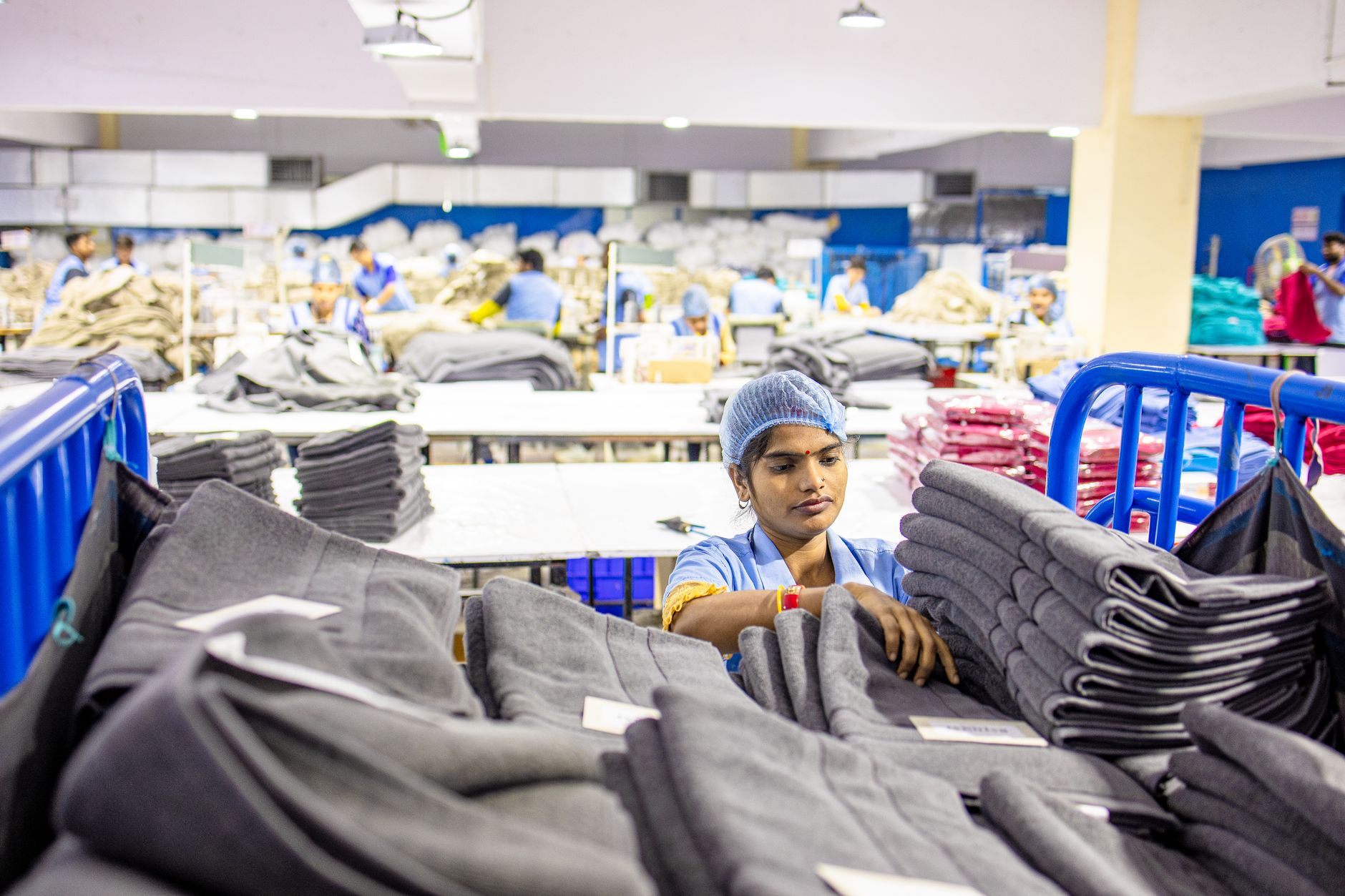
The hospitality industry has long marketed itself as an exciting career path with opportunities to meet diverse people and work in luxurious environments. However, the ground reality tells a different story. Entry-level positions in hotels and restaurants often require employees to work 10-12 hour shifts, frequently extending to 14 hours during peak seasons or special events. Unlike corporate jobs with defined 9-to-5 schedules, hospitality workers must be available on weekends, public holidays, and festivals when demand peaks.
Starting salaries in the sector remain surprisingly low considering the educational investment required. Hotel management graduates, who spend three to four years and significant fees on specialized training, often begin their careers earning between Rs 15,000 to Rs 25,000 monthly in tier-1 cities. These wages barely keep pace with rising living costs, particularly in metropolitan areas where most premium hospitality establishments operate.
The Comparison With Other Sectors
Young workers today have access to information about salary benchmarks and working conditions across industries. They can see that peers graduating in technology, finance, or even retail management often earn 30-50% more while enjoying better work-life balance. The gig economy and remote work culture have further expanded options, allowing people to pursue flexible arrangements that hospitality roles cannot typically offer.
The pandemic accelerated this awareness. Many hospitality workers who lost jobs during lockdowns found employment in delivery services, e-commerce, customer support, or digital marketing. Some discovered they could earn comparable or better income with more predictable schedules and dignity of work. When hotels reopened, a significant percentage chose not to return.
Structural Challenges in the Industry
Several systemic issues plague hospitality employment in India:
- Hierarchical work culture where junior staff face strict protocols and limited autonomy
- Minimal investment in employee welfare facilities like comfortable break rooms or staff accommodation
- Slow career progression with graduates spending years in trainee positions
- Lack of comprehensive health insurance and retirement benefits in smaller establishments
- Social stigma attached to service roles despite the professional training involved
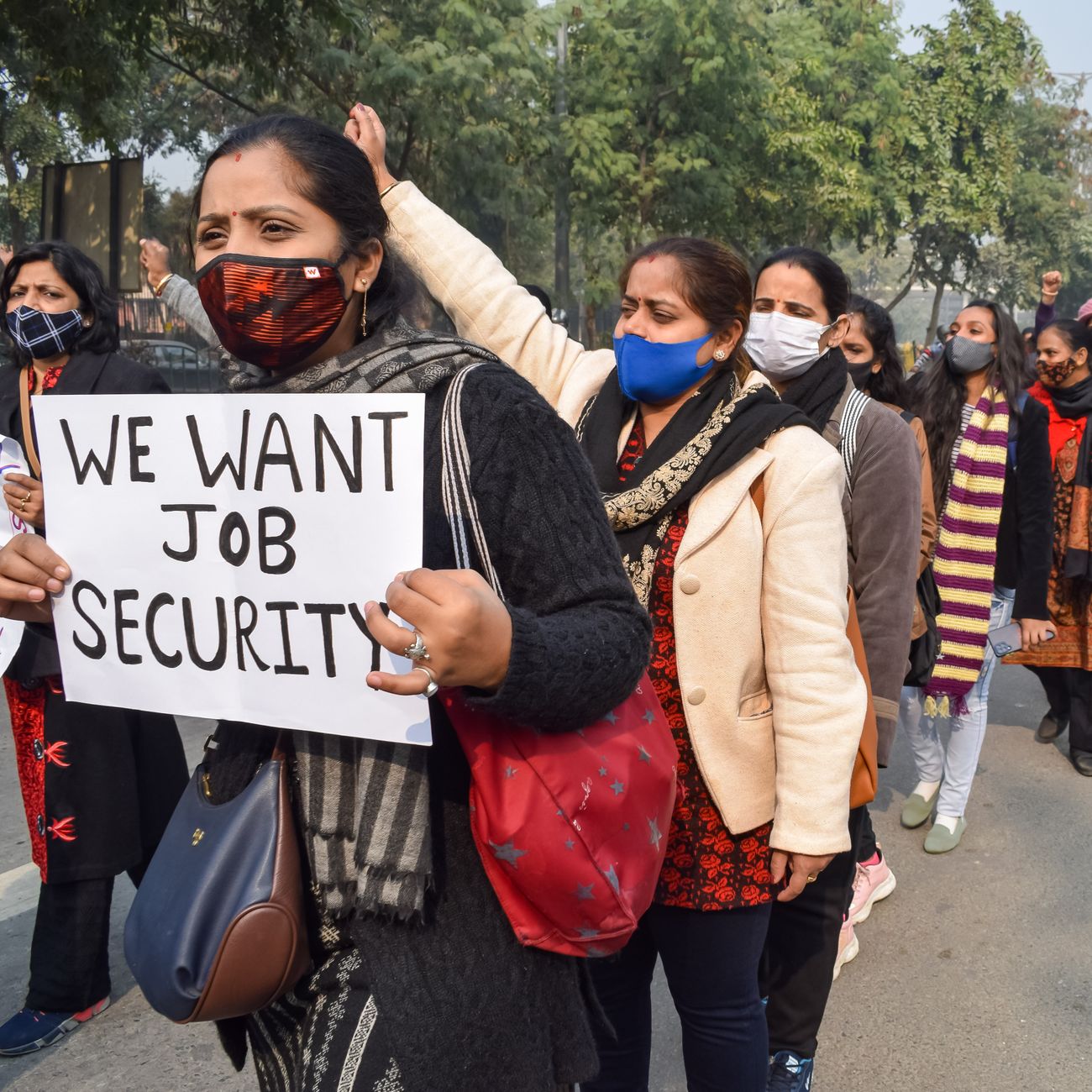
- Seasonal employment instability affecting job security
The industry's traditional approach to staffing assumes a constantly available pool of workers willing to accept these conditions. This assumption no longer holds as demographic shifts and rising education levels change worker expectations.
The Skills Gap Dilemma
Interestingly, while young workers exit the industry, there remains high demand for skilled hospitality professionals. International hotel chains entering Indian markets need trained staff who understand global service standards. The wedding and events industry, booming among India's growing middle class, requires experienced coordinators and service personnel. Luxury travel experiences catering to affluent domestic tourists need knowledgeable guides and managers.
This mismatch creates a vicious cycle. Hotels struggling with understaffing overwork existing employees, leading to burnout and further attrition. Quality of service deteriorates, affecting customer experiences and potentially harming India's reputation as a tourism destination.
Potential Solutions
Some progressive hospitality businesses are experimenting with reforms. These include implementing fixed shift systems, offering competitive base salaries with performance incentives, providing skill development programs that lead to faster advancement, and creating employee assistance programs for mental health and financial planning.
Technology adoption could also help by automating routine tasks and allowing human workers to focus on higher-value customer interactions that command better compensation. Self-service kiosks, digital ordering systems, and AI-powered chatbots can reduce pressure on front-line staff.
Industry associations and hotel management institutes must collaborate to reset expectations on both sides. Students entering the field need realistic previews of career paths, while employers must recognize that the old labor model is unsustainable in modern India's competitive employment landscape.
Unless the hospitality sector addresses these fundamental issues of compensation, working conditions, and career dignity, it will continue losing young talent to industries that better value their time and skills. The question is whether the industry will adapt before the talent crisis becomes irreversible.