The World Travel & Tourism Council's recent call for visa reforms and increased tourism investments in India highlights critical challenges facing one of the world's most culturally rich destinations. As global tourism rebounds post-pandemic, India finds itself at a crossroads where policy decisions could determine whether it captures a larger share of international visitor spending or continues to underperform relative to its potential.
The Current State of Indian Tourism
India welcomed approximately 9.2 million foreign tourists in 2019, generating substantial foreign exchange. However, this figure pales in comparison to smaller countries like Thailand, which attracted nearly 40 million visitors the same year. Despite possessing UNESCO World Heritage Sites, diverse landscapes from the Himalayas to tropical beaches, and millennia of cultural heritage, India captures less than 2 percent of global tourist arrivals.
The tourism and hospitality sector contributes roughly 7 percent to India's GDP and employs millions across hotels, restaurants, transportation, and ancillary services. The WTTC's recommendations suggest this contribution could increase significantly with targeted reforms.
Visa Processing Challenges
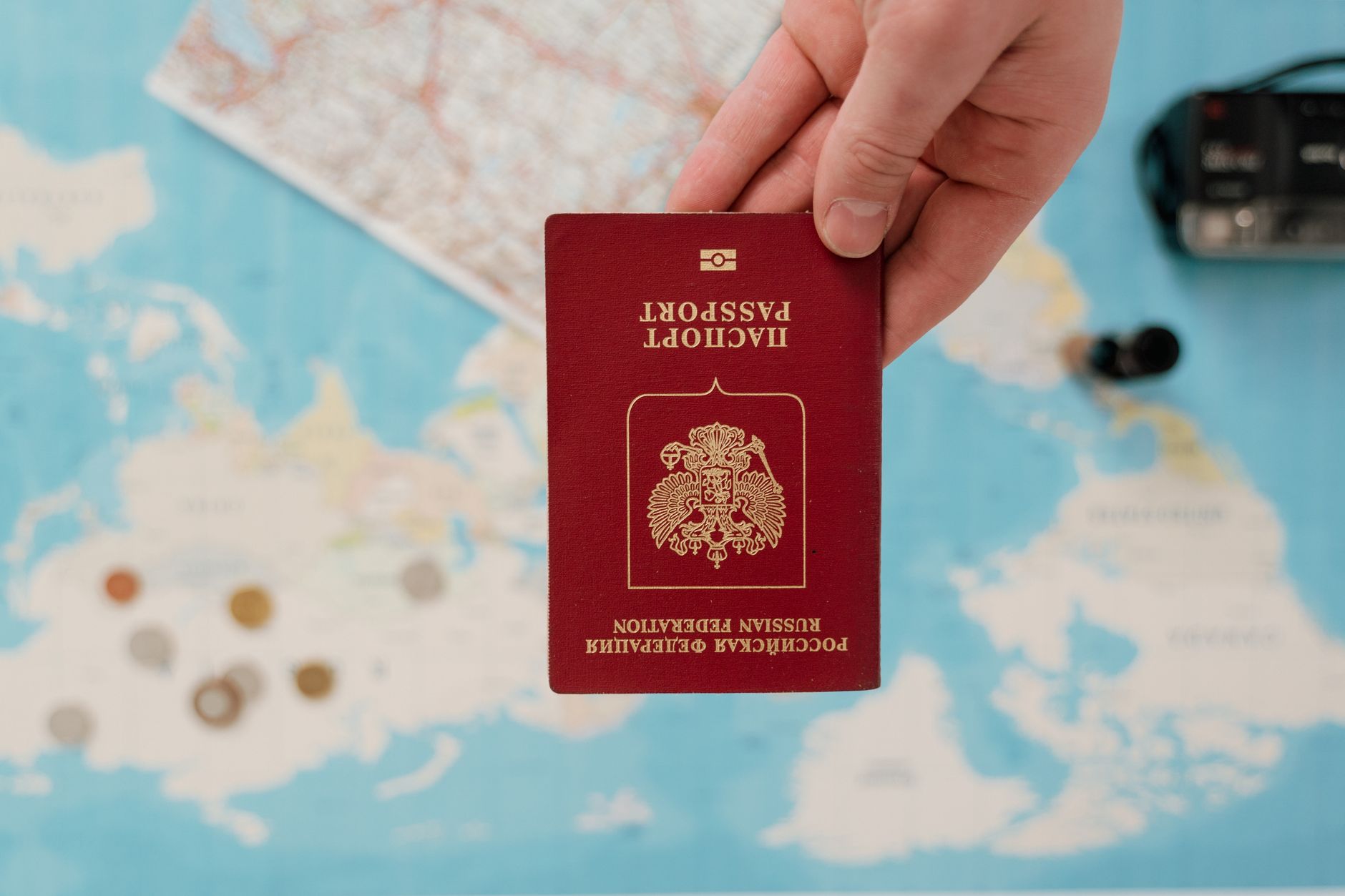
One of the most significant barriers to tourism growth remains India's visa system. While the e-Visa facility introduced in 2014 represented progress, several issues persist:
- Processing times can be unpredictable, discouraging last-minute or spontaneous travel
- The system occasionally experiences technical glitches during peak seasons
- Costs remain higher compared to competitor destinations in Southeast Asia
- Multiple visa categories create confusion for first-time visitors
- Limited validity periods compared to multi-year visas offered by countries like Japan or the United States
Travelers frequently cite visa hassles as a deterrent when choosing between India and alternative destinations. Business travelers particularly find restrictions on visa-on-arrival and documentation requirements cumbersome compared to the seamless entry processes in Singapore or Dubai.
Infrastructure Investment Gaps
Beyond visa reforms, the WTTC emphasizes infrastructure development as crucial for tourism expansion. Key areas requiring investment include:
- Airport capacity and connectivity to tier-2 and tier-3 cities with tourist attractions
- Road networks linking major tourist circuits
- Public sanitation facilities at monuments and tourist sites
- Accommodation options across different price points in emerging destinations
- Digital connectivity and payment infrastructure in remote tourist areas
Many international tourists express concerns about cleanliness, safety, and basic amenities outside major metropolitan areas. While flagship initiatives like the Swadesh Darshan scheme aim to develop thematic tourist circuits, implementation has been inconsistent, and funding often falls short of requirements.
Economic Opportunity and Job Creation
The economic case for tourism investment is compelling. Every direct job in tourism creates approximately 1.8 indirect jobs in related sectors. Enhanced tourism infrastructure benefits local communities through increased demand for handicrafts, cultural performances, local guides, and agricultural products.
States like Kerala and Rajasthan demonstrate how sustained investment in tourism can transform regional economies. Kerala's "God's Own Country" campaign, backed by infrastructure development and homestay programs, has made it a benchmark for domestic tourism success. Replicating such models requires coordinated efforts between central and state governments.
Global Competition and Positioning
India competes globally not just on attractions but on overall visitor experience. Countries like Vietnam have streamlined visa processes and invested heavily in tourism infrastructure, resulting in exponential growth in arrivals. The UAE has positioned itself as a luxury and business tourism hub through world-class airports, hotels, and attractions.
For India to compete effectively, it must address not only the entry barriers but also the on-ground experience. This includes training hospitality workers, improving multilingual signage, ensuring tourist safety, and creating well-maintained public spaces around attractions.
The Path Forward
The WTTC's recommendations align with India's own ambitions under initiatives like "Dekho Apna Desh" and plans to increase tourism's GDP contribution. However, achieving these goals requires:
Simplifying visa processes through longer validity periods, faster processing, and potentially visa-free entry for citizens of select countries. Allocating increased budgetary resources specifically for tourism infrastructure rather than relying solely on private investment. Creating dedicated tourism zones with special focus on sustainability and local community involvement. Implementing quality standards and certification programs for tourism service providers.
The tourism sector's revival post-pandemic offers India a window of opportunity. With strategic reforms and investments, the country could realistically double its international tourist arrivals within five years, creating millions of jobs and boosting foreign exchange earnings substantially. The question is whether policymakers will act decisively on recommendations from industry bodies like the WTTC or allow bureaucratic inertia to maintain the status quo.