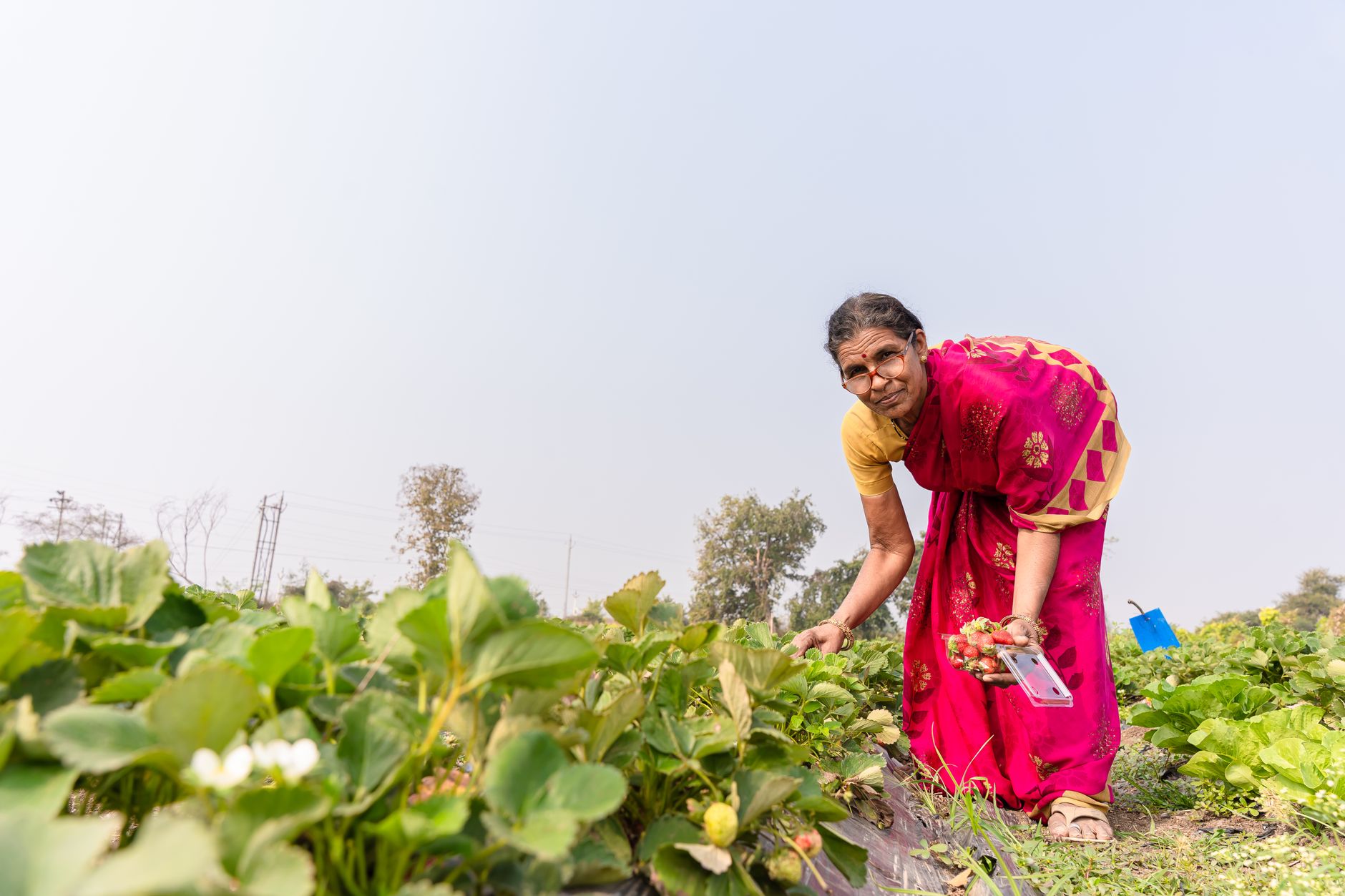
India stands at a nutritional crossroads. While undernutrition continues to affect millions, the country simultaneously faces a growing epidemic of obesity, diabetes, and heart disease. Ultra-processed foods—from packaged snacks to sugary beverages—have become increasingly accessible and affordable, particularly in urban centers. This dual burden has sparked discussions about implementing a "junk food tax" similar to measures adopted in other countries.
The Global Experiment With Food Taxation
Several countries have already tested the junk food tax hypothesis with varying degrees of success. Mexico introduced a tax on sugar-sweetened beverages in 2014, resulting in a 12 percent decline in consumption within two years. Hungary implemented a comprehensive tax on foods high in sugar, salt, and caffeine in 2011, leading manufacturers to reformulate products to avoid the levy.
Denmark tried taxing saturated fats in 2011 but reversed course after just one year due to administrative challenges and cross-border shopping. Meanwhile, the United Kingdom's Soft Drinks Industry Levy, introduced in 2018, successfully prompted major beverage companies to reduce sugar content before the tax even took effect.
The evidence suggests that taxation can influence consumer behavior, particularly when the tax is substantial enough to create noticeable price differences—typically 20 percent or higher.
The Indian Context: Unique Challenges
India's food landscape differs significantly from Western countries where most junk food taxes have been implemented. Street food vendors, small local manufacturers, and the informal sector dominate food retail in many regions. Any taxation mechanism would need to account for this complexity.
The country already imposes a 12 percent Goods and Services Tax on certain processed foods, while some items like fresh fruits and vegetables remain exempt. Extending higher tax rates specifically to ultra-processed foods would require clear definitions of what constitutes "junk food"—a classification that remains contentious even among nutritionists.
Additionally, India's economic diversity means that price sensitivity varies dramatically across income groups. A tax that successfully deters consumption among middle-class urban families might disproportionately burden lower-income households without changing their habits, essentially functioning as a regressive tax.
What Health Experts Say
Public health advocates argue that taxation should be one tool in a comprehensive strategy to address India's nutrition crisis. The evidence from other countries shows that taxes work best when combined with:
- Clear nutrition labeling requirements
- Restrictions on advertising unhealthy foods to children
- Investment in public awareness campaigns
- Subsidies for healthier food options like fruits and vegetables
- Improved access to clean drinking water
The World Health Organization has endorsed fiscal policies as part of national strategies to combat non-communicable diseases. Their position is that countries should consider both taxes on unhealthy products and subsidies for healthy foods to create a more level playing field.
The Revenue Question
Proponents of junk food taxation often highlight the potential for earmarked revenue. Funds collected could theoretically support public health initiatives, subsidize nutritious foods, or improve healthcare infrastructure. However, global experience shows that earmarking tax revenue is politically complicated and often fails to materialize as promised.
Industry Resistance and Economic Concerns
The food and beverage industry has historically opposed such measures, arguing they hurt business, eliminate jobs, and unfairly target specific products. In India, where the processed food sector employs millions and contributes significantly to GDP, these concerns carry weight.
There's also the question of effectiveness. Critics point out that people may simply substitute one unhealthy food for another, or that wealthier consumers will continue purchasing taxed items regardless of price increases.
What Comes Next
For India, the question isn't whether junk food contributes to health problems—the evidence is clear that it does. The real debate centers on whether taxation is the most effective, equitable, and practical intervention given India's unique circumstances.
Any successful implementation would likely require extensive consultation with stakeholders, robust enforcement mechanisms, and complementary policies that make healthy eating more accessible and affordable for all Indians.
This article provides general information about health and taxation policy for educational purposes only. It does not constitute financial, tax, or medical advice. Readers should consult qualified professionals for guidance specific to their individual circumstances.