The Ministry of Health and Family Welfare has released new figures revealing the substantial growth in India's medical education infrastructure, a development that signals the government's sustained efforts to bridge the country's long-standing doctor-to-population gap and strengthen healthcare delivery across the nation.
The Current Medical Education Landscape
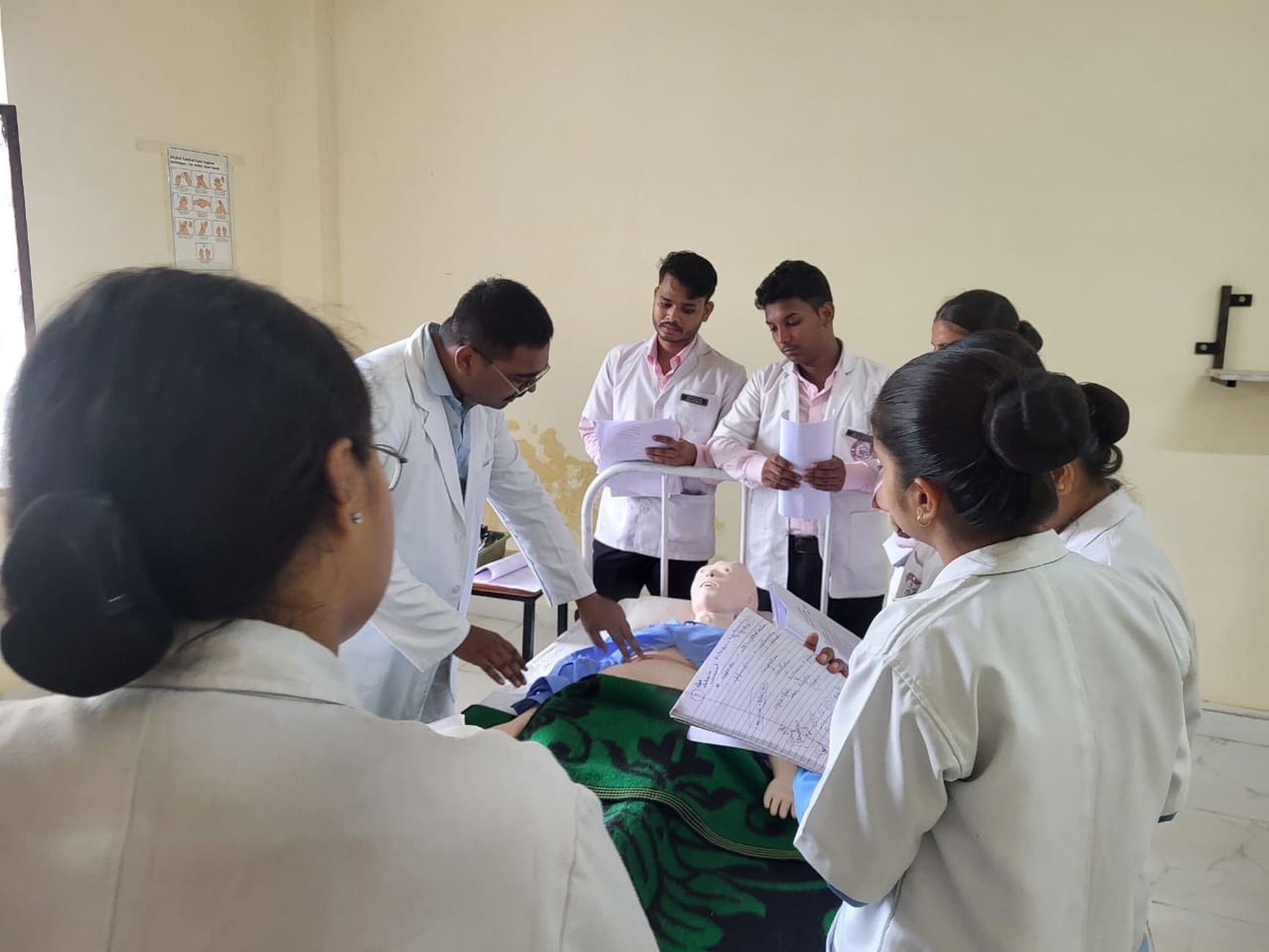
India currently operates 844 medical colleges, a significant increase from just over 380 colleges a decade ago. These institutions collectively offer 1,39,489 MBBS (Bachelor of Medicine, Bachelor of Surgery) seats and 86,360 postgraduate medical seats across various specializations. This expansion represents one of the most aggressive pushes to increase medical education capacity in any country globally.
The growth encompasses both government and private medical colleges. While government institutions continue to form the backbone of affordable medical education, private medical colleges have proliferated across tier-2 and tier-3 cities, making medical education more geographically accessible, albeit at higher costs.
Why This Expansion Matters
India has historically struggled with an inadequate doctor-to-population ratio. The World Health Organization recommends a ratio of 1:1000, but India has long fallen short of this benchmark. With a population exceeding 1.4 billion people, the country needs a substantially larger medical workforce to ensure adequate healthcare coverage, particularly in rural and underserved areas.
The increase in medical seats directly addresses this shortage by training more doctors annually. Each batch of MBBS graduates represents future primary care physicians, while the postgraduate seats ensure specialization in critical areas like surgery, pediatrics, obstetrics, and emerging fields like oncology and critical care medicine.
Distribution and Accessibility Challenges
Despite the impressive numbers, significant challenges remain in the distribution of these medical colleges and seats. Many new institutions are concentrated in southern and western states, while certain northeastern and central Indian states continue to face shortages. This geographical imbalance affects both student access to medical education and the eventual distribution of doctors across the country.
The admission process, primarily through NEET (National Eligibility cum Entrance Test), has created a highly competitive environment with acceptance rates often below 5 percent for government medical colleges. The recent expansion has improved these odds marginally, but demand continues to far outstrip supply.
Quality vs. Quantity Concerns
The rapid expansion has raised questions about quality control and standardization across medical colleges. The National Medical Commission (NMC), which replaced the Medical Council of India in 2020, faces the enormous task of ensuring that all these institutions maintain adequate infrastructure, faculty, and clinical training facilities.
Some concerns include:
- Faculty shortages, particularly in specialized departments
- Inadequate hospital beds and clinical exposure for students
- Varying standards of education between top-tier and newer institutions
- Infrastructure gaps in newly established colleges
- Limited research and innovation culture in many institutions
The Postgraduate Bottleneck
While MBBS seat expansion has been substantial, the postgraduate seat numbers reveal another challenge. With 1.39 lakh MBBS graduates entering the system annually but only 86,360 PG seats available, a significant number of doctors remain unable to pursue specialization immediately after graduation. This creates a bottleneck where qualified doctors either practice without specialization, prepare for multiple years to crack PG entrance exams, or seek opportunities abroad.
Impact on Healthcare Delivery
The expansion's success will ultimately be measured by its impact on healthcare delivery. More doctors should translate to better primary healthcare coverage, reduced waiting times at public hospitals, and improved health outcomes. However, challenges remain in incentivizing doctors to serve in rural areas, where the need is greatest but amenities are limited.
Government initiatives like bond requirements for medical students and rural service incentives aim to address this urban-rural divide, though their effectiveness varies across states.
Looking Ahead
The government has indicated intentions to further expand medical education infrastructure, with targets to open more medical colleges in underserved districts and increase PG seats proportionately. The focus is gradually shifting from mere expansion to quality enhancement, research integration, and creating centers of excellence in specialized medical care.
The coming years will reveal whether this massive expansion translates into tangible improvements in India's healthcare indicators, including maternal mortality, infant mortality, and life expectancy.
This article is for general informational purposes only and does not constitute professional medical or career advice. Prospective medical students should consult official government sources and educational counselors for specific admission and career guidance.