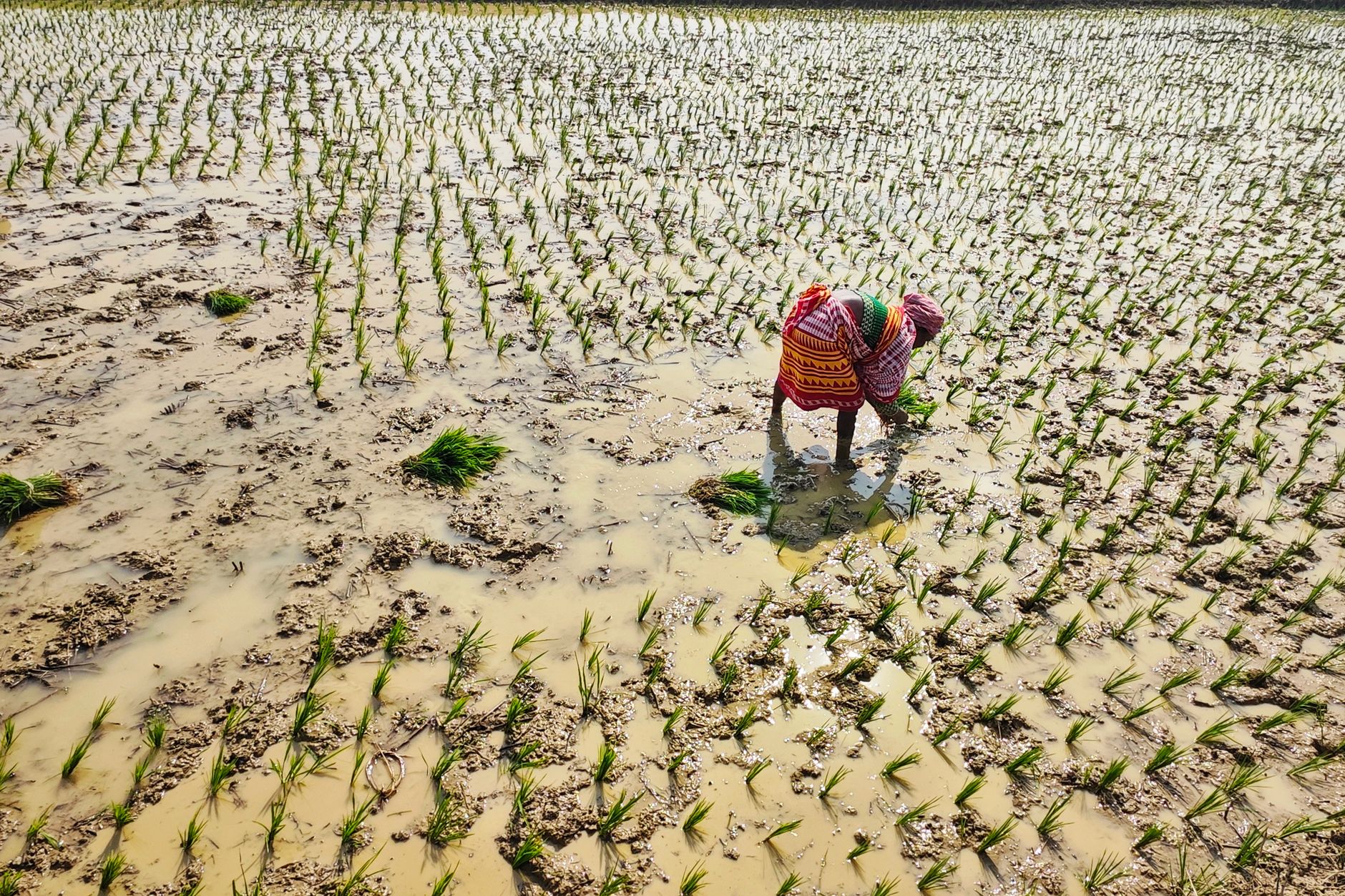
The Indian monsoon has always been the lifeblood of the nation's agriculture, but erratic rainfall patterns in recent years have transformed this blessing into an unpredictable gamble. For millions of farmers across the country, a delayed or deficient monsoon can mean crop failure, debt, and financial ruin. Against this backdrop, agricultural scientists and investors are exploring whether advanced seed technology could provide a buffer against monsoon variability.
The Monsoon Challenge
India receives roughly 70 percent of its annual rainfall during the southwest monsoon between June and September. Nearly 60 percent of the country's cultivated area remains rain-fed, making agricultural output heavily dependent on monsoon performance. When the monsoon fails or arrives late, farmers face reduced yields, lower incomes, and increased vulnerability to debt.
Climate change has intensified this problem. The Indian Meteorological Department reports increasing instances of delayed monsoon onset, extended dry spells within the rainy season, and extreme rainfall events that alternate with droughts. This volatility makes traditional farming practices increasingly risky.
What Advanced Seeds Offer
Modern seed technology encompasses several innovations designed to help crops withstand stress conditions:
- Drought-tolerant varieties that maintain yields with 20-30 percent less water
- Early-maturing seeds that complete their growth cycle faster, reducing exposure to uncertain late-season rainfall
- Flood-tolerant varieties that can survive submergence for extended periods
- Heat-resistant crops that perform better during unseasonal temperature spikes
Hybrid and genetically improved seeds can potentially increase yields by 15-40 percent compared to traditional varieties, even under suboptimal conditions. For a farmer earning marginal returns, this difference can mean the gap between profit and loss.
The Investment Angle
The agricultural biotechnology sector has attracted significant investment in recent years. Major seed companies and agri-tech startups are developing region-specific varieties tailored to Indian conditions. Government initiatives like the National Mission on Sustainable Agriculture have allocated funds for research and distribution of climate-resilient seeds.
For investors, this sector presents opportunities across multiple dimensions. Seed production companies, agricultural research firms, distribution networks, and farmer education platforms all play roles in this ecosystem. As climate pressures intensify, demand for resilient seeds is expected to grow substantially.
The government's push toward doubling farmer incomes and achieving food security adds policy support to market fundamentals. Subsidy programs aimed at making improved seeds affordable to small farmers create additional market stability.
Ground-Level Realities
Despite technological promise, several challenges limit the impact of better seeds. Cost remains a primary barrier. Improved seeds can cost two to five times more than traditional varieties, a significant burden for small and marginal farmers who constitute 86 percent of India's farming community.
Access presents another hurdle. Quality seed distribution networks remain weak in many rural areas, forcing farmers to rely on local markets where spurious seeds are common. A farmer who invests in expensive seeds only to receive counterfeit products suffers double losses.
Knowledge gaps also matter. Advanced seeds often require modified agricultural practices, including specific fertilizer applications, irrigation timing, and pest management. Without proper training and extension services, farmers may not realize the full potential of improved varieties.
Beyond Seeds Alone
Agricultural experts emphasize that seeds alone cannot solve the monsoon problem. A comprehensive approach requires complementary investments in irrigation infrastructure, soil health management, crop insurance, and weather forecasting systems.
Micro-irrigation technologies like drip and sprinkler systems maximize water efficiency. Soil testing and customized fertilizer application improve nutrient availability. Real-time weather information helps farmers make timely planting and harvesting decisions.
Access to credit and insurance products allows farmers to invest in better inputs while protecting against catastrophic losses. Digital platforms connecting farmers with agronomists, market information, and financial services are emerging as force multipliers.
The Path Forward
Better seeds represent an important tool in addressing agriculture's monsoon vulnerability, but they function best within an enabling ecosystem. For investors, opportunities exist not just in seed technology itself but across the entire agricultural value chain.
Success requires collaboration between private enterprise, government policy, and farmer communities. Affordable pricing models, robust quality control, effective extension services, and integrated solutions combining seeds with other inputs will determine whether this technological promise translates into on-ground impact.
As monsoon patterns grow more uncertain, India's agricultural sector stands at a crossroads. Investment in resilient seeds and supporting infrastructure could help millions of farmers navigate climate uncertainty while ensuring food security for the nation.
This article is for general informational purposes only and should not be considered as specific investment advice. Readers should conduct their own research and consult with qualified financial advisors before making any investment decisions.