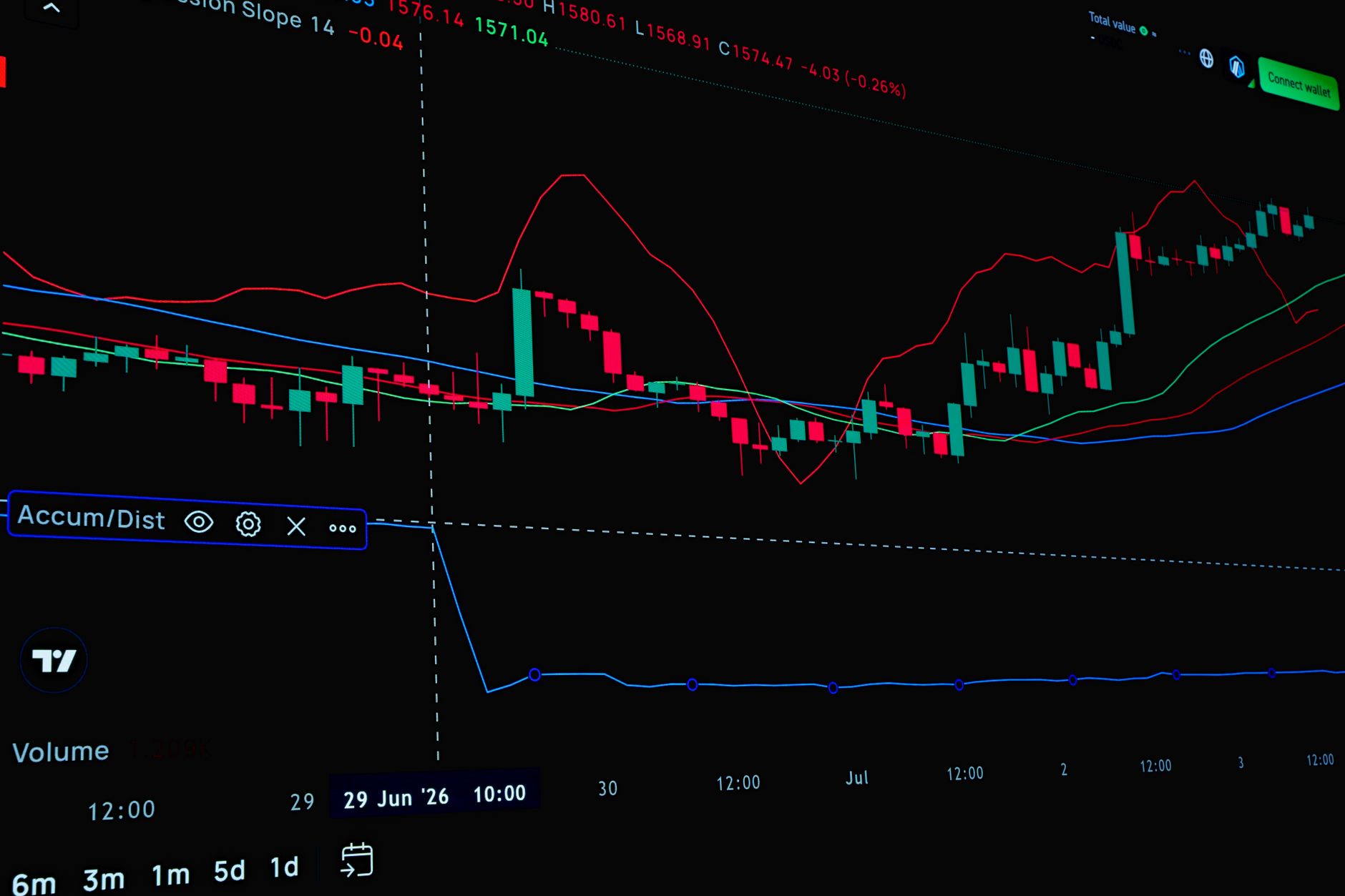
The Indian stock market has been a subject of intense speculation and analysis, with major financial institutions regularly updating their outlook on benchmark indices. Recent projections suggest that the Nifty 50, India's premier stock market index, could achieve new record highs by the end of 2026, reflecting optimism about the country's economic trajectory and corporate performance.
Understanding the Nifty 50 Index
The Nifty 50 represents the weighted average of 50 of the largest Indian companies listed on the National Stock Exchange. It serves as a barometer for the overall health of the Indian equity market and includes blue-chip companies across various sectors including banking, information technology, pharmaceuticals, energy, and consumer goods. When experts predict new highs for this index, they're essentially forecasting robust performance across India's leading corporations.
Factors Supporting the Bullish Outlook
Several fundamental factors underpin the optimistic forecast for the Nifty 50's performance through 2026:
- Strong GDP growth projections for India, with the economy expected to remain among the fastest-growing major economies globally
- Improving corporate earnings as companies benefit from economic expansion and operational efficiencies
- Increasing domestic savings being channeled into equity markets through systematic investment plans
- Government initiatives supporting manufacturing, infrastructure development, and digitalization
- Potential for foreign institutional investment inflows as global investors seek emerging market exposure
- Stabilizing inflation and interest rate environment that could support equity valuations
What This Means for Different Investor Categories
For long-term investors who have maintained consistent exposure to Indian equities, this forecast reinforces the importance of staying invested. The power of compounding and rupee-cost averaging through regular investments can help investors participate in potential market upside while managing volatility.
New investors should recognize that market forecasts, while based on analysis, are not guarantees. A predicted new high by end-2026 suggests approximately two years of potential growth, but markets rarely move in straight lines. Volatility, corrections, and interim fluctuations are natural features of equity investing.
Investors nearing retirement or with shorter time horizons should balance their portfolio allocation carefully. While equity exposure can provide growth potential, the appropriate mix depends on individual risk tolerance, financial goals, and investment timeline.
The Role of Systematic Investment
One strategy that works well regardless of market forecasts is systematic investment through SIPs (Systematic Investment Plans). This approach involves investing fixed amounts at regular intervals, which helps investors:
- Average out purchase costs across different market levels
- Reduce the impact of market timing decisions
- Build investment discipline over time
- Participate in potential upside while managing downside risks through rupee-cost averaging
Sector-Specific Considerations
While the Nifty 50 represents a broad market indicator, different sectors within the index may perform differently based on specific factors:
Banking and financial services companies may benefit from credit growth and improving asset quality. Technology firms could see continued demand driven by digital transformation trends. Infrastructure and capital goods sectors might gain from government spending initiatives. Consumer-facing businesses may profit from rising incomes and changing consumption patterns.
Diversification across sectors, rather than concentrating on a few names, helps investors participate in broad-based market growth while managing sector-specific risks.
Managing Expectations and Risks
Even with optimistic forecasts, investors should maintain realistic expectations. Markets can experience significant volatility driven by global events, policy changes, geopolitical tensions, or unexpected economic developments. A forecast for new highs doesn't eliminate the possibility of interim corrections or periods of underperformance.
Risk management remains crucial regardless of market outlook. This includes maintaining appropriate asset allocation, avoiding excessive leverage, keeping adequate emergency funds outside equity investments, and periodically reviewing portfolio alignment with financial goals.
Looking Ahead
The forecast for Nifty 50 reaching new highs by end-2026 reflects broader confidence in India's economic story and corporate growth potential. For investors, this outlook should inform but not dictate investment decisions. Success in equity investing comes from consistent discipline, appropriate diversification, and alignment with personal financial circumstances rather than attempting to time markets based on predictions.
This article is intended for general informational purposes only and should not be construed as personalized investment advice. Market forecasts are subject to uncertainty and actual outcomes may differ significantly. Investors should conduct their own research, consider their individual financial situation, risk tolerance, and investment objectives, and consult with a qualified financial advisor before making investment decisions.