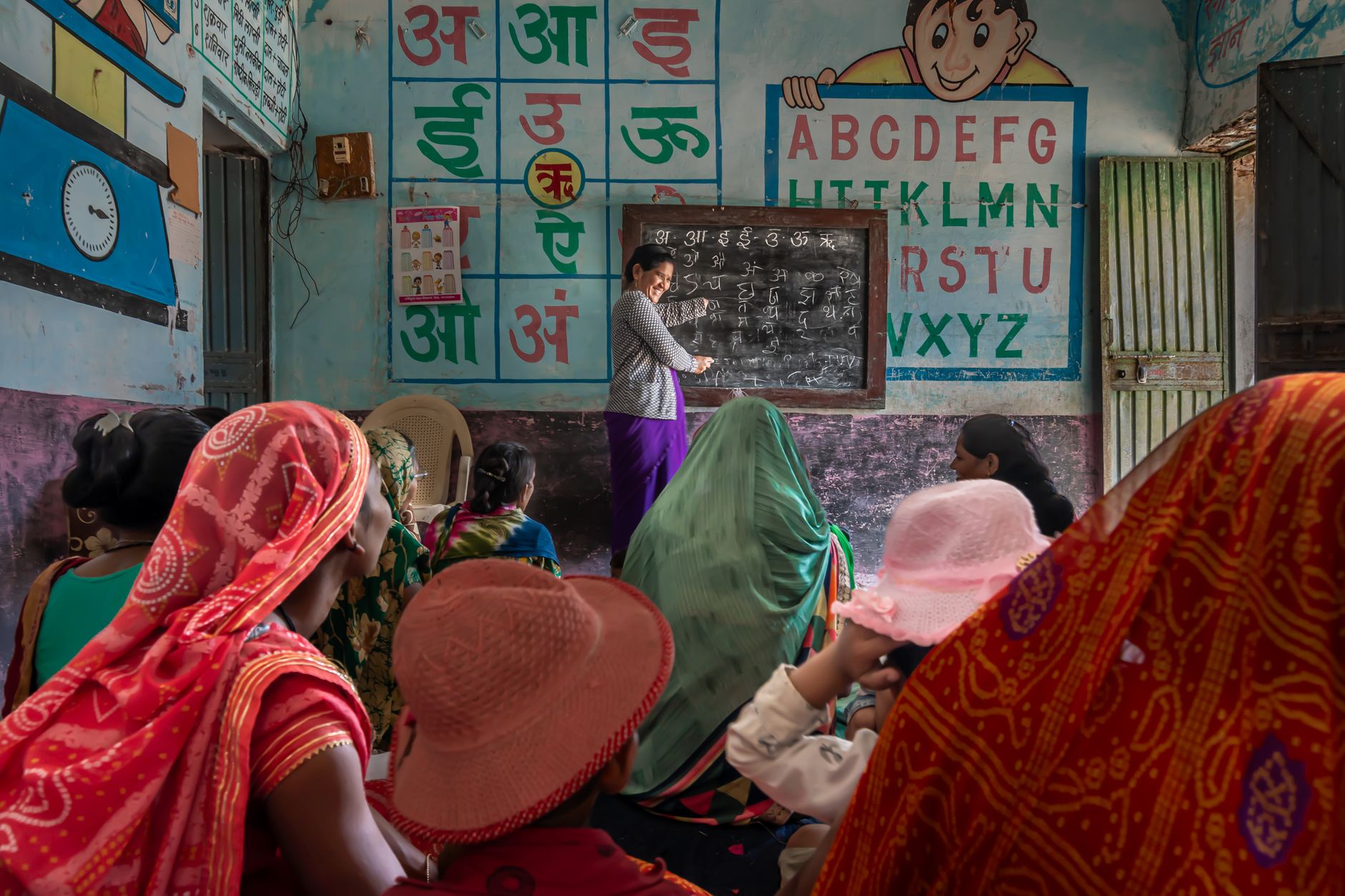
India is making a significant move in educational innovation by introducing chess as a structured part of school curricula nationwide. This collaborative initiative between the All India Chess Federation (AICF) and government authorities marks a major step toward integrating the ancient game into mainstream education, recognizing its potential to develop critical thinking and problem-solving abilities in young minds.
Why Chess in Education Matters
Chess has long been acknowledged as more than just a recreational activity. Educational researchers and cognitive scientists have consistently found that regular chess practice can significantly enhance several mental faculties crucial for academic success. The game demands forward planning, pattern recognition, and the ability to evaluate multiple scenarios simultaneously—skills that translate directly into improved performance across various school subjects.
Students who engage with chess regularly often demonstrate better concentration spans, improved memory retention, and enhanced mathematical reasoning. The game teaches patience and discipline, requiring players to think several moves ahead while considering their opponent's potential responses. These metacognitive skills—thinking about thinking—are foundational for learning across all disciplines.
Structure of the Programme
The nationwide initiative aims to introduce chess systematically rather than as an occasional extracurricular activity. Schools participating in the programme will receive structured curricula designed for different age groups, ensuring age-appropriate instruction from primary through secondary levels.
Teachers will undergo specialized training to become qualified chess instructors, equipping them with pedagogical methods specifically developed for classroom chess education. This approach ensures that chess isn't simply taught as a game but is integrated as an educational tool with clear learning objectives and assessment methods.
The programme is expected to include:
- Standardized chess curricula aligned with educational goals
- Teacher training and certification programmes
- Provision of chess equipment and learning materials to participating schools
- Regular inter-school tournaments to encourage practical application
- Digital learning platforms for remote and hybrid learning scenarios
- Assessment frameworks to measure cognitive development
India's Chess Legacy
This initiative builds upon India's rich chess heritage and recent dominance in international chess. As the birthplace of the game's ancient predecessor, chaturanga, India has a cultural connection to chess spanning over a millennium. In contemporary times, Indian chess has experienced a renaissance, producing numerous grandmasters and world champions who have inspired a new generation of players.
The country's success in producing young chess prodigies has demonstrated that with proper training infrastructure and support, Indian students can excel at the highest levels. This nationwide programme seeks to democratize access to quality chess education, extending opportunities beyond metropolitan areas to students in smaller towns and rural regions.
Expected Educational Outcomes
Beyond the immediate benefits of learning chess strategy, the programme targets broader educational objectives. Chess instruction can help bridge socio-economic divides in educational achievement, as the game requires minimal infrastructure—essentially just a board and pieces—making it accessible even in resource-constrained settings.
The structured approach aims to develop:
- Critical thinking and analytical reasoning skills
- Spatial intelligence and geometric understanding
- Decision-making abilities under pressure
- Emotional regulation and sportsmanship
- Concentration and focus in academic settings
Research from countries with established school chess programmes has shown measurable improvements in mathematics scores, reading comprehension, and overall academic performance among students who receive regular chess instruction.
Implementation Challenges and Opportunities
Rolling out a nationwide educational initiative presents logistical challenges, including ensuring adequate teacher training, equitable resource distribution, and maintaining programme quality across diverse educational settings. However, India's large network of schools and increasing digital connectivity provide infrastructure advantages for scaling the programme.
The initiative also creates opportunities for identifying and nurturing chess talent from underrepresented communities. By introducing chess at the school level, students who might never have encountered the game can discover aptitude and passion for it, potentially leading to competitive opportunities and even professional chess careers.
Looking Forward
As the programme unfolds across Indian schools, it represents a forward-thinking approach to education that recognizes the value of structured games in cognitive development. Success will be measured not only in the number of chess players produced but in broader educational metrics—improved academic performance, enhanced critical thinking abilities, and the development of well-rounded students equipped with analytical skills for the 21st century.
This initiative positions India as a leader in innovative educational policy, demonstrating how traditional games can be harnessed as powerful pedagogical tools in modern classrooms.