The recent removal of a senior education official from a key government position has reignited discussions about administrative accountability, examination integrity, and governance within India's education sector. Such leadership changes often signal policy shifts and reflect the government's response to systemic challenges facing millions of students and educational institutions.
The Role of Education Secretary
The Education Secretary is one of the most influential positions in India's administrative hierarchy, responsible for overseeing the implementation of educational policies across the country. This position involves coordinating between various educational bodies, managing budgets running into thousands of crores, and ensuring that educational programs reach their intended beneficiaries effectively.
The Secretary works closely with the Ministry of Education to shape policies affecting school education, higher education, and skill development. This role requires balancing multiple stakeholders' interests, from state governments to private institutions, while maintaining standards and accessibility.
Key Educational Bodies Under Scrutiny
The Central Board of Secondary Education and the National Testing Agency represent two critical pillars of India's examination system. The CBSE conducts board examinations for Classes 10 and 12 for thousands of schools across India and abroad, affecting millions of students annually. The NTA, established in 2017, was created as an autonomous body to conduct entrance examinations for higher education institutions, including prominent tests for engineering, medical, and university admissions.
Recent Challenges in Examination Administration
India's examination system has faced several challenges in recent years that have prompted calls for administrative reforms:
- Paper leak incidents that have compromised exam integrity and forced costly re-examinations
- Technical glitches during online testing that have affected candidate performance and results
- Delays in result declarations causing anxiety among students and impacting admission timelines
- Questions about transparency in evaluation processes and grievance redressal mechanisms
- Concerns about accessibility and equal opportunity for students from diverse backgrounds
These issues have significant consequences. When examination integrity is questioned, it undermines meritocracy and can affect the career trajectories of lakhs of students. Parents, educators, and students have increasingly demanded accountability from examination authorities.
Administrative Accountability in Education
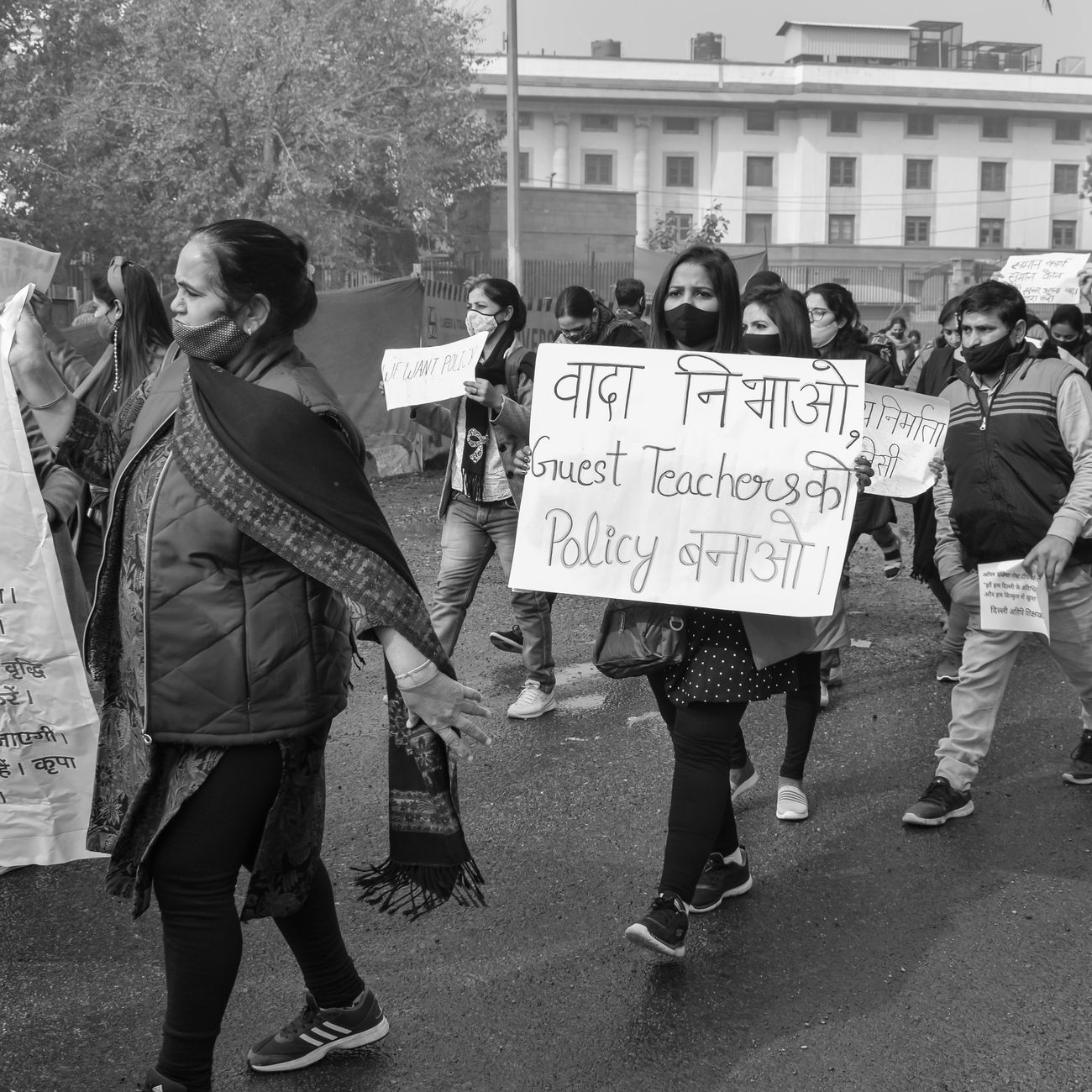
Leadership changes in education administration reflect the principle of accountability in public service. When systemic issues persist or major irregularities occur, administrative reshuffles serve multiple purposes. They signal governmental acknowledgment of problems, potentially bring fresh perspectives to entrenched challenges, and demonstrate responsiveness to public concern.
However, critics argue that simply changing personnel without addressing structural issues may not resolve deeper problems. Effective reform requires comprehensive policy changes, adequate technological infrastructure, robust security protocols, and continuous monitoring systems.
Impact on Students and Institutions
Administrative transitions at the highest levels of educational governance can have ripple effects throughout the system. Students preparing for competitive examinations may experience uncertainty about examination patterns or policies. Educational institutions must adapt to potential changes in affiliation requirements or evaluation standards.
The broader impact extends to India's reputation in education. With the country positioning itself as a global education hub and promoting initiatives to attract international students, examination integrity and administrative competence become matters of national importance.
Moving Forward: Reform Priorities
Experts suggest several areas requiring attention to strengthen India's examination and education administration:
- Enhanced cybersecurity measures to prevent paper leaks and protect sensitive examination data
- Improved technological infrastructure to handle large-scale online testing without technical failures
- Greater transparency in question paper setting, evaluation, and result processing
- Robust grievance redressal mechanisms that address student concerns promptly
- Regular audits and accountability frameworks for examination conducting bodies
- Better coordination between various educational authorities to ensure policy coherence
The success of India's education system ultimately depends not just on individual administrators but on creating institutional frameworks that ensure consistency, fairness, and excellence regardless of personnel changes.
The Broader Context
This development occurs within a larger conversation about educational reforms in India. With the National Education Policy 2020 introducing significant changes and the government emphasizing skill development and digital education, administrative leadership plays a crucial role in translating vision into reality.
As India seeks to leverage its demographic dividend and prepare youth for a competitive global economy, the effectiveness of its educational institutions and examination systems becomes increasingly critical. Leadership changes, when accompanied by substantive reforms, can serve as catalysts for positive transformation in the sector.