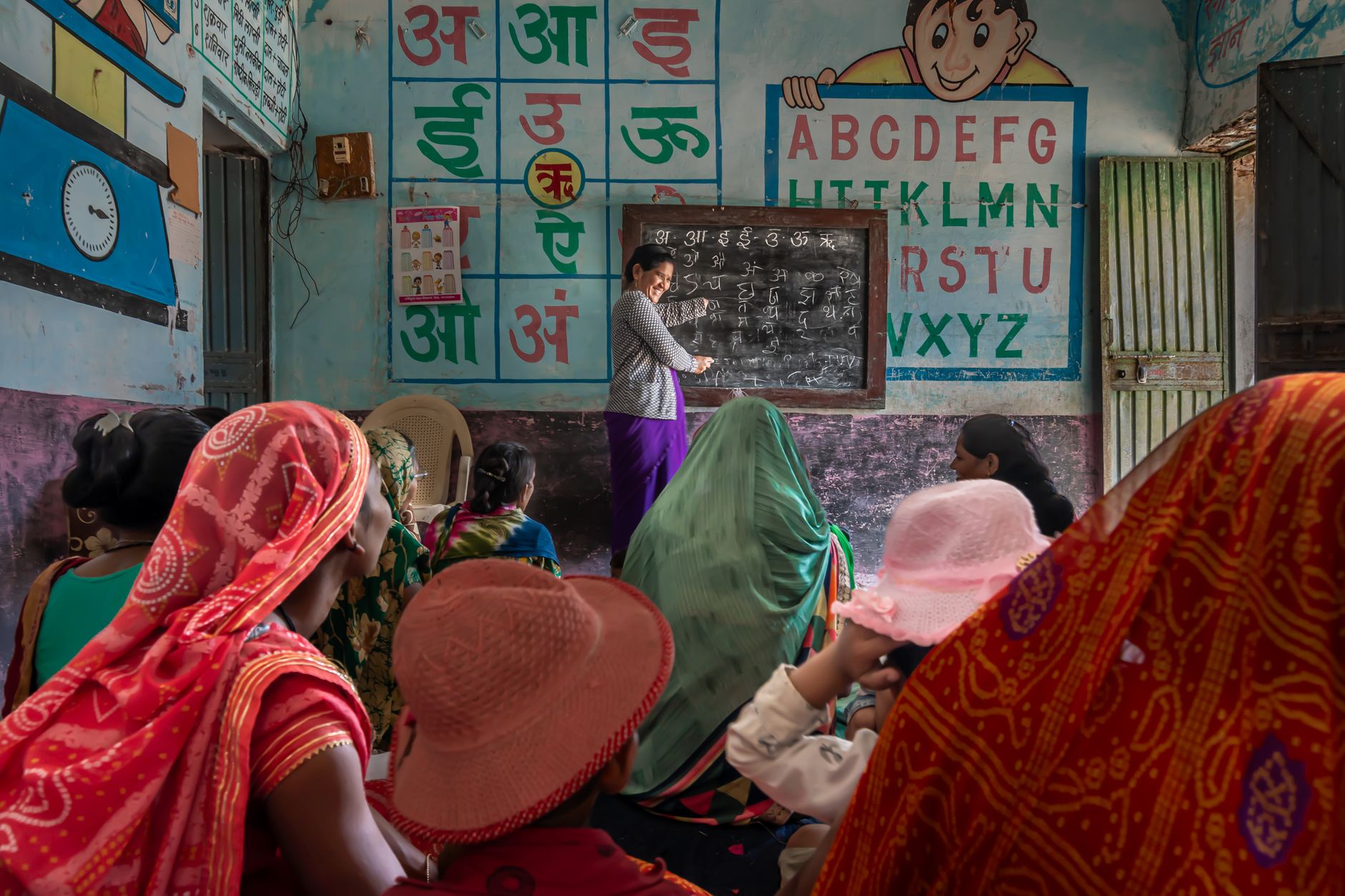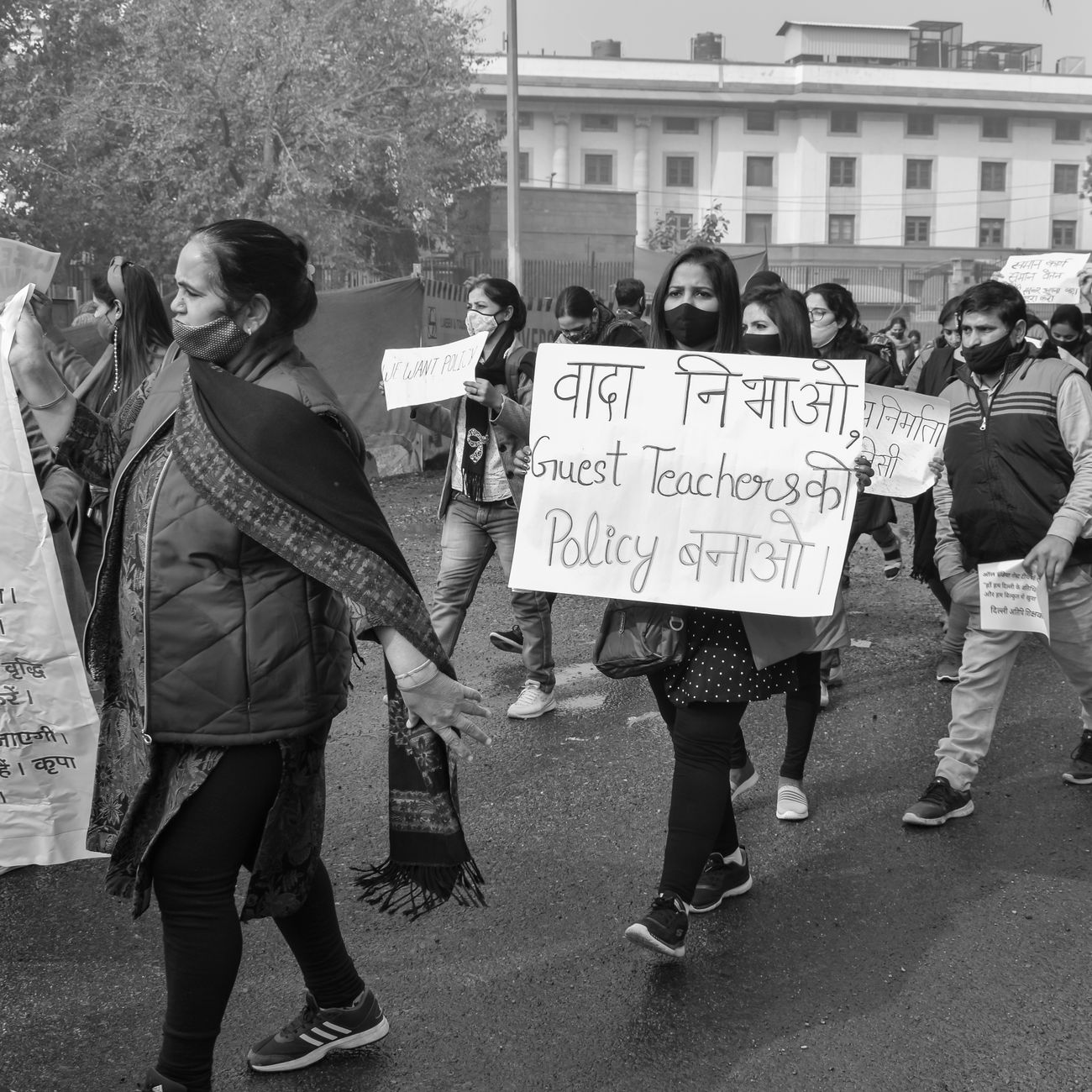
Student movements have long been the conscience of Indian democracy, serving as catalysts for political change and educational reform. From pre-independence struggles to contemporary campus protests, students have consistently challenged authority and demanded accountability. These movements have not only influenced policy but have also launched political careers and redefined the relationship between citizens and the state.
The Anti-Hindi Agitation in Tamil Nadu (1965)
The protests against Hindi imposition in Tamil Nadu remain one of the most consequential student movements in Indian history. When the central government attempted to make Hindi the sole official language in 1965, students across Tamil Nadu erupted in massive demonstrations. The movement saw widespread participation from college and school students who viewed the policy as cultural imperialism that threatened Tamil identity and limited opportunities for non-Hindi speakers in government jobs.
The agitation resulted in several tragic deaths but ultimately forced the government to adopt a more flexible language policy. The Official Languages Act was amended to allow indefinite continuation of English alongside Hindi, and the two-language formula gave way to the three-language formula in education. This movement strengthened regional political parties in Tamil Nadu and established linguistic federalism as a core principle of Indian democracy.
The JP Movement and Student Activism (1974-75)
The Nav Nirman movement in Gujarat, led primarily by students protesting against rising prices and corruption, evolved into the broader JP Movement under Jayaprakash Narayan's leadership. Students from universities across Bihar, Gujarat, and other states mobilized against the Indira Gandhi government, demanding comprehensive political reform.
This movement played a crucial role in India's political realignment. It brought together opposition parties, eventually leading to the imposition of Emergency in 1975 and subsequently the formation of the Janata Party government in 1977. Many student leaders from this era, including Lalu Prasad Yadav and Nitish Kumar, became prominent political figures who shaped Indian politics for decades.
The Mandal Commission Protests (1990)
When the V.P. Singh government announced the implementation of the Mandal Commission recommendations for 27 percent reservation for Other Backward Classes in central government jobs and educational institutions, it triggered intense student protests, particularly in northern India. Upper-caste students, fearing reduced opportunities, organized demonstrations and even tragic self-immolation incidents.
While the protests were controversial and divisive, they forced a national conversation about caste, inequality, and affirmative action. The movement ultimately failed to prevent implementation, but it reshaped political discourse around social justice and identity politics. The Supreme Court's subsequent judgment upheld reservations while introducing the creamy layer concept, attempting to balance competing interests.
The Reservation in Higher Education Protests (2006)
The UPA government's decision to implement 27 percent OBC reservation in central educational institutions, including IITs and AIIMS, sparked widespread student protests in 2006. Medical students and those in premier institutions went on strike, arguing that merit would be compromised and that socio-economic criteria rather than caste should determine reservation.
The movement saw innovative protest methods, including relay hunger strikes and blackband demonstrations. Though unable to reverse the policy, the protests led to an expansion of seats in premier institutions to minimize displacement of general category students. The movement highlighted ongoing tensions around affirmative action and forced political parties to articulate clearer positions on social justice versus meritocracy.
The Fee Hike and Democratic Rights Movements (2016 onwards)
Recent student movements at Jawaharlal Nehru University, Hyderabad Central University, and various state universities have centered on fee hikes, campus autonomy, and democratic freedoms. The protests following Rohith Vemula's death at Hyderabad Central University and the JNU sedition controversy brought issues of caste discrimination, freedom of expression, and institutional autonomy to national attention.
These movements have mobilized students through social media, creating nationwide solidarity networks. They have influenced debates on educational accessibility, with several universities rolling back proposed fee increases. The movements have also produced a new generation of student activists who have entered politics and civil society activism.
The Lasting Impact
Student movements have consistently demonstrated that youth activism is integral to Indian democracy. They have shaped language policy, political alignments, affirmative action frameworks, and educational accessibility. While not always successful in their immediate objectives, these movements have forced society to confront uncomfortable questions about equity, justice, and institutional accountability, ensuring that education remains a space for democratic contestation and social transformation.