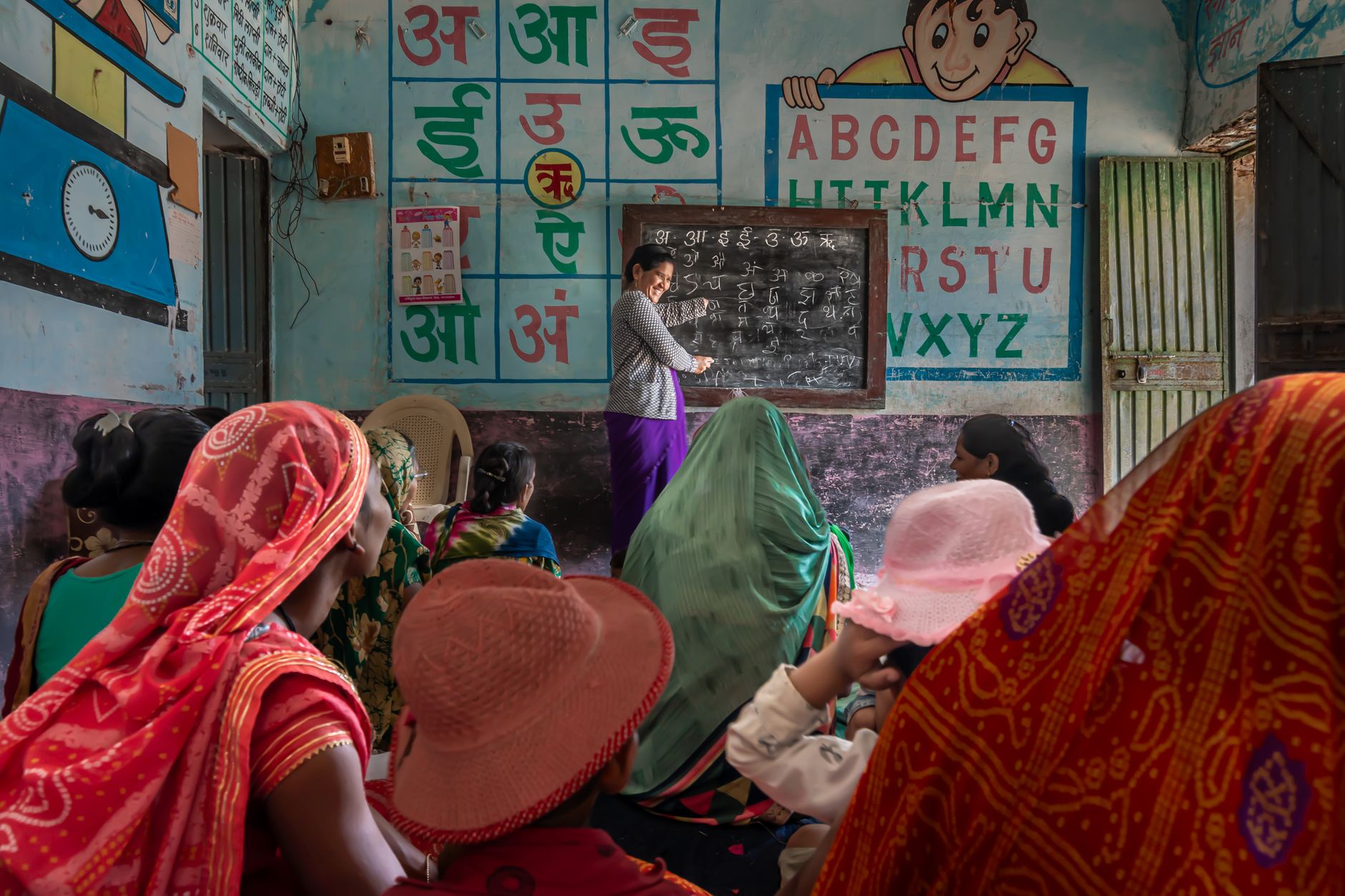
The Indian education sector has witnessed a remarkable transformation over the past decade, with many classroom teachers stepping out of traditional roles to become entrepreneurs. This shift reflects a growing recognition that educators possess invaluable insights into learning gaps and student needs—insights that can be leveraged to create scalable solutions.
The Teacher-to-Entrepreneur Pipeline
Classroom experience provides educators with a distinct advantage when building education ventures. Unlike entrepreneurs entering the sector from purely business backgrounds, teachers understand the nuances of curriculum delivery, student engagement challenges, and the real-world constraints faced by schools and families.
This ground-level perspective enables them to identify pain points that others might overlook. Whether it's the struggle to make abstract concepts concrete, the need for personalized learning paths, or the challenge of affordable quality education access, teachers-turned-entrepreneurs bring authenticity to problem-solving.
Why Educators Make the Leap
Several factors drive teachers toward entrepreneurship. Many educators feel constrained by institutional limitations that prevent them from implementing innovative teaching methods. The traditional classroom setup often restricts experimentation and personalization at scale.
Financial considerations also play a role. While teaching is a noble profession, compensation often doesn't reflect the expertise and dedication required. Entrepreneurship offers the potential for greater financial rewards while amplifying impact beyond a single classroom.
The digital revolution has particularly empowered this transition. Technology platforms enable individual educators to reach thousands of students simultaneously, creating opportunities that simply didn't exist two decades ago.
Common Challenges in the Transition
Despite their pedagogical expertise, educators face significant hurdles when entering the business world. Understanding financial management, fundraising, marketing, and operational scaling requires skills rarely taught in teaching colleges.
Many teacher-entrepreneurs initially struggle with the mindset shift from service-oriented thinking to business sustainability. Pricing products appropriately, managing cash flow, and making difficult business decisions can feel uncomfortable for those accustomed to the teaching profession's ethos.
Building a team presents another challenge. Educators must learn to delegate, hire for skills they lack, and create organizational structures—tasks far removed from managing a classroom.
Keys to Success in Education Entrepreneurship
Successful education entrepreneurs typically start by solving a specific, well-defined problem they encountered firsthand. Rather than attempting to revolutionize the entire system, they focus on addressing particular gaps—whether in test preparation, skill development, language learning, or special education support.
Maintaining the educator's perspective while developing business acumen proves crucial. The most impactful ventures balance pedagogical effectiveness with business viability, ensuring that profit motives don't compromise learning outcomes.
Technology literacy has become non-negotiable. Even ventures focused on offline solutions benefit from digital tools for operations, marketing, and customer relationship management. Understanding how to leverage technology without letting it overshadow pedagogy creates competitive advantages.
The Indian Context
India's education market presents enormous opportunities for teacher-entrepreneurs. With over 250 million school students, massive disparities in education quality, and growing parental investment in children's learning, demand for innovative solutions continues expanding.
The rise of vernacular content, focus on skill-based learning, and the National Education Policy 2020's emphasis on holistic education create multiple entry points for entrepreneurs. Tier-2 and tier-3 cities particularly offer untapped potential for affordable, quality education solutions.
Building Beyond the Classroom
Successful education entrepreneurs often maintain their teaching identity while embracing business leadership. They continue engaging with students and educators, ensuring their ventures remain grounded in real educational needs rather than theoretical assumptions.
Many also focus on creating employment opportunities for other teachers, building networks of educator-entrepreneurs who share both pedagogical values and business objectives.
The Path Forward
The journey from classroom mentor to education entrepreneur requires courage, adaptability, and persistent learning. It demands that educators acquire new skills while preserving the empathy and insight that made them effective teachers.
For those considering this path, starting small, seeking mentorship from both education and business leaders, and remaining student-focused throughout the scaling process provides a strong foundation. The ultimate measure of success isn't just revenue or user numbers, but whether the venture genuinely improves learning outcomes and expands access to quality education.
As India's education ecosystem evolves, teacher-entrepreneurs will likely play an increasingly vital role in bridging traditional wisdom with innovative delivery models, creating solutions that are both pedagogically sound and commercially sustainable.