Freedom Park in Bengaluru has long served as a designated protest venue, but recent gatherings have showcased a distinct change in the voices filling the space. Generation Z—those born between 1997 and 2012—are increasingly using such platforms to articulate their vision for India's future, marking a significant shift in the country's civic engagement landscape.
The Evolution of Youth Activism in India
India has a storied history of student and youth movements, from the pre-independence struggle to the anti-corruption protests of 2011. However, Gen Z's approach to activism differs markedly from previous generations. Armed with digital literacy, global awareness, and a strong sense of social justice, young Indians are redefining what civic participation looks like in the 21st century.
These young activists are not merely reacting to isolated incidents but addressing systemic issues ranging from climate change and environmental degradation to educational reform and employment opportunities. Their protests and gatherings reflect a comprehensive understanding of interconnected global challenges and their local manifestations.
What Makes Gen Z Activism Different
Several characteristics distinguish Gen Z activism from earlier movements. This generation has grown up with smartphones and social media, enabling them to organize rapidly, share information instantaneously, and build solidarity across geographical boundaries. A local gathering at Freedom Park can simultaneously be a national conversation through live streams and social media updates.
The issues Gen Z prioritizes also reflect their unique position in history. Climate anxiety is particularly pronounced among young Indians who recognize they will inherit the consequences of current environmental policies. Similarly, concerns about quality education, meaningful employment, and mental health support feature prominently in their demands.
Their approach tends to be more inclusive and intersectional, acknowledging how various forms of discrimination and inequality overlap. Young activists often simultaneously address caste, gender, class, and regional disparities rather than treating them as separate concerns.
The Educational Dimension
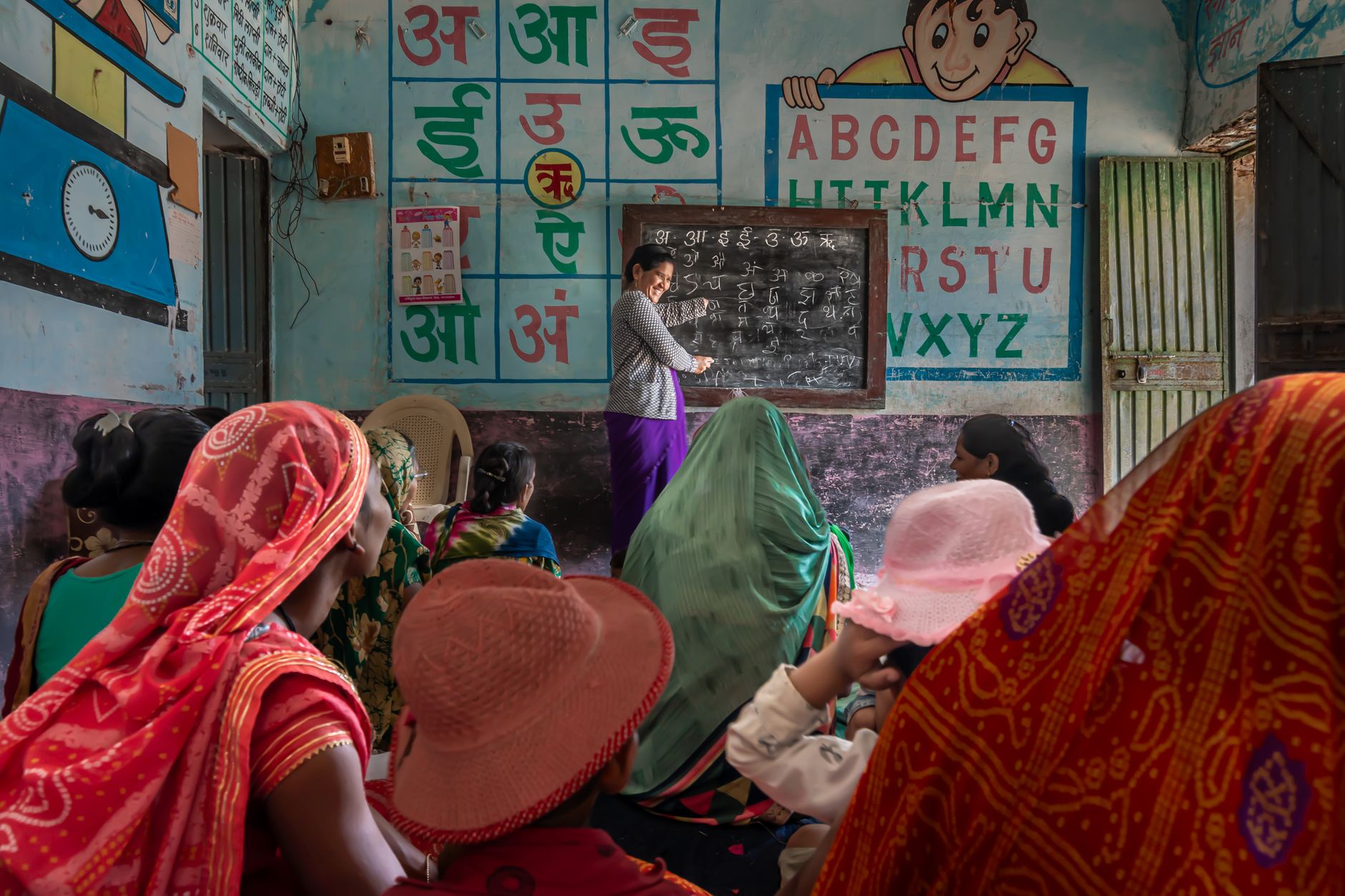
The connection between these movements and education runs deeper than student participation. Many Gen Z activists are fundamentally questioning what education should prepare young people for in contemporary India. They challenge rote learning systems, demand curricula that reflect diverse perspectives, and advocate for skills-based training that addresses real-world challenges.
Educational institutions themselves have become both venues for activism and subjects of reform demands. Students are pushing for greater autonomy in university governance, protection of academic freedom, and mental health resources on campuses. The traditional view of students as passive recipients of knowledge is being replaced by one where they actively shape their educational experience.
Digital Tools and Physical Spaces
While Gen Z's digital fluency is undeniable, the continued importance of physical gathering spaces like Freedom Park highlights a crucial insight: online activism complements but does not replace in-person mobilization. The tangible act of occupying public space, speaking before a live audience, and experiencing collective solidarity creates bonds and commitment that purely digital engagement cannot replicate.
These physical gatherings also serve democratic purposes. They demonstrate the numerical strength of a movement, create opportunities for deliberation and consensus-building, and make visible what might otherwise remain confined to social media echo chambers.
Challenges and Criticisms
Gen Z activism faces its share of challenges and criticisms. Detractors sometimes dismiss young activists as naive or claim they lack the experience to understand complex policy issues. There are also concerns about slacktivism—the tendency for online expressions of support to substitute for sustained engagement.
Additionally, maintaining momentum remains difficult. While social media enables rapid mobilization, it can also lead to short attention spans and movement fatigue as new issues constantly emerge demanding attention.
The Broader Implications
The rise of Gen Z activism at venues like Freedom Park represents more than isolated protests. It signals a generational coming-of-age where young Indians are asserting their stake in the country's future. As this demographic cohort enters voting age and the workforce, their values and priorities will increasingly shape political discourse and policy decisions.
For India's democracy, this youth engagement is largely positive. It indicates that young people have not become apathetic or disengaged despite various challenges. Instead, they are finding creative ways to participate in civic life and hold institutions accountable.
Looking Forward
The scenes at Freedom Park and similar spaces across India offer a glimpse of an evolving democratic culture. Generation Z is not waiting for permission to participate in shaping India's future—they are actively claiming that right. Whether their activism translates into lasting institutional change remains to be seen, but their presence in public discourse is already undeniable.
As these young voices grow louder and more organized, they challenge older generations to listen, engage, and recognize that India's future will be built through intergenerational dialogue rather than top-down directives.