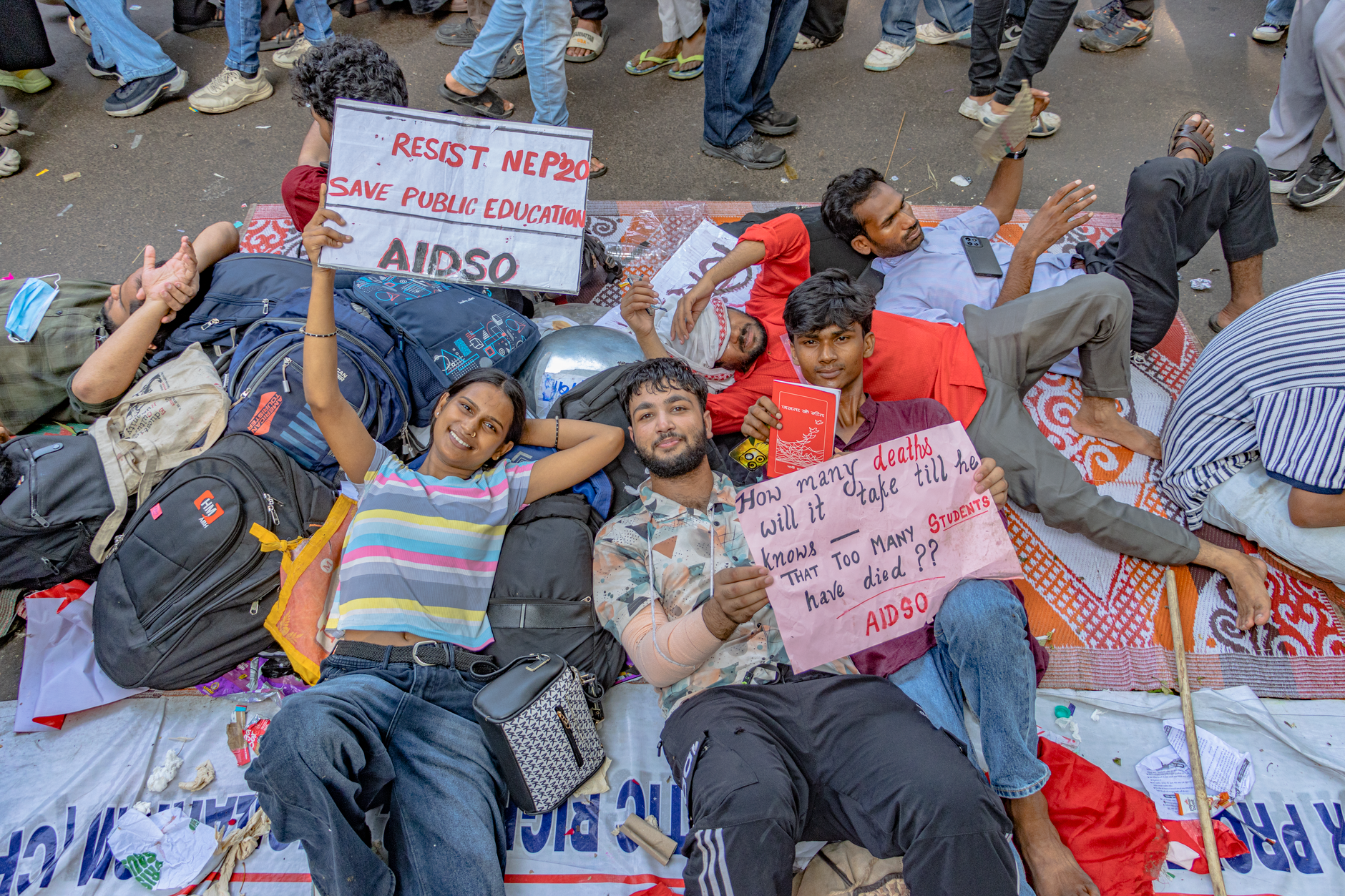
India's Gen Z is making headlines not through social media trends or startup success stories, but through a resurgence of on-ground activism that has taken the country by surprise. Recent student-led protests focusing on educational issues have demonstrated a unique blend of data-driven arguments and passionate advocacy, marking a significant shift in how young Indians engage with systemic challenges.
The New Face of Student Activism
Generation Z, broadly defined as those born between 1997 and 2012, represents the most educated and digitally connected generation in Indian history. This demographic cohort has grown up with smartphones, social media, and instant access to global information. What sets their approach to protest apart is the combination of rigorous fact-checking, statistical awareness, and emotional resonance—what observers are calling "cold stats, warm spirits."
Unlike previous generations that relied primarily on emotional appeals or ideological frameworks, today's student activists arrive armed with data points, research findings, and comparative analyses. They cite dropout rates, funding disparities, unemployment statistics, and international education rankings with the same fluency their predecessors used for slogans.
What's Driving the Movement
Several interconnected issues have converged to spark this wave of educational activism across Indian campuses and cities.
The unemployment crisis among educated youth remains a primary concern. Despite acquiring degrees, many young Indians face a job market that cannot absorb the millions of graduates entering the workforce annually. This disconnect between education and employment has fueled demands for curriculum reforms that emphasize skills and practical training.
Infrastructure and resource gaps continue to plague educational institutions, particularly outside major metropolitan areas. Students are highlighting the stark disparities between elite institutions and the majority of colleges and universities where most Indian students actually study.
Fee hikes and financial accessibility have become flashpoint issues, especially at public universities that were historically affordable. As government funding stagnates or declines, institutions pass costs to students, effectively pricing out those from lower and middle-income families.
Examination reform and mental health concerns have also emerged as critical demands. The high-pressure, memorization-focused examination system and its toll on student well-being has become a rallying point for change.
The Methods Behind the Movement
What distinguishes this generation's activism is not just what they protest, but how they do it. Social media serves as both an organizing tool and a platform for real-time documentation, ensuring wider visibility and accountability. Hashtags trend nationally within hours, and live-streams bring protests directly to millions of screens.
Peaceful, creative demonstrations have largely replaced the more confrontational tactics of earlier eras. Flash mobs, art installations, data visualization displays, and even humor-infused performances convey serious messages while maintaining public sympathy.
Collaboration across institutions and cities has created networks of solidarity that transcend traditional regional and linguistic barriers. Students in Delhi support counterparts in Chennai, and vice versa, creating a genuinely national movement.
Implications for India's Future
This wave of activism signals several important shifts in Indian society. First, it demonstrates that young Indians are not politically apathetic, contradicting stereotypes about screen-addicted, individualistic youth. Instead, they're engaged but selective about causes that directly affect their futures.
Second, the movement could force meaningful policy conversations about education reform. When hundreds of thousands of young people mobilize around specific demands backed by data, politicians and administrators cannot easily dismiss them.
Third, this generation's approach to activism—evidence-based but emotionally intelligent—may set new standards for civic engagement across issues beyond education.
Challenges Ahead
Despite their energy and organization, student movements face significant obstacles. Sustaining momentum beyond initial protests requires institutional structures and long-term strategy. Converting public attention into concrete policy changes demands navigating complex bureaucratic and political systems.
There's also the risk of fragmentation as diverse groups with varied priorities struggle to maintain unified demands. Additionally, external co-option by political parties could undermine the movement's independent character.
The Broader Context
India's Gen Z is coming of age during a period of rapid technological change, economic uncertainty, and social transformation. Their activism reflects not just dissatisfaction with educational institutions, but broader anxieties about their place in India's future. They're questioning whether the social contract—work hard, get educated, secure a good life—still holds true.
This movement represents a generation finding its voice and testing its power. Whether it achieves its immediate goals or not, it has already demonstrated that India's youth are willing to move from online commentary to offline action when stakes are high enough.
The long-term impact will depend on sustained engagement, thoughtful leadership, and the willingness of institutions and policymakers to genuinely address the fundamental concerns being raised by millions of young Indians who refuse to accept the status quo.