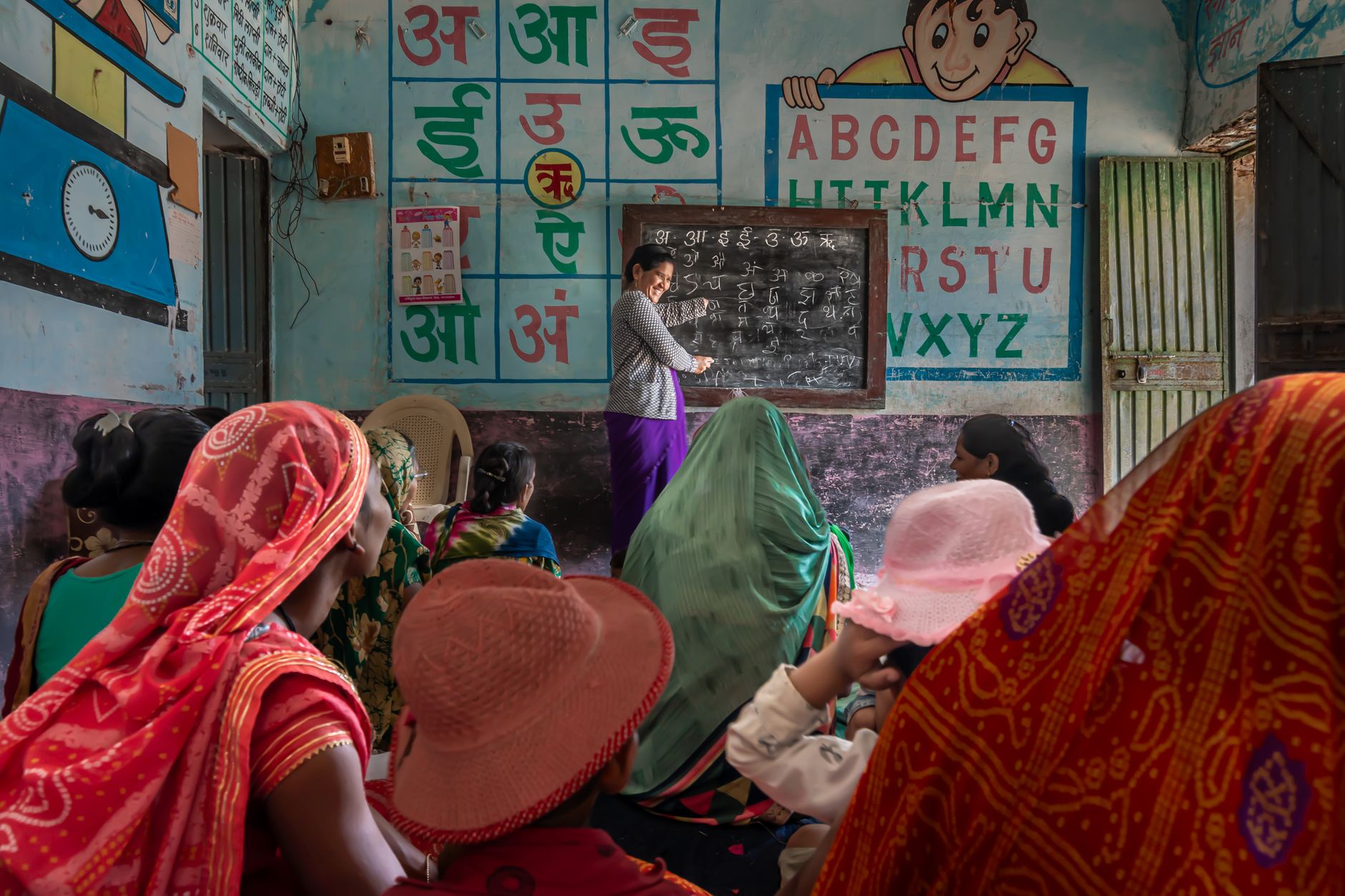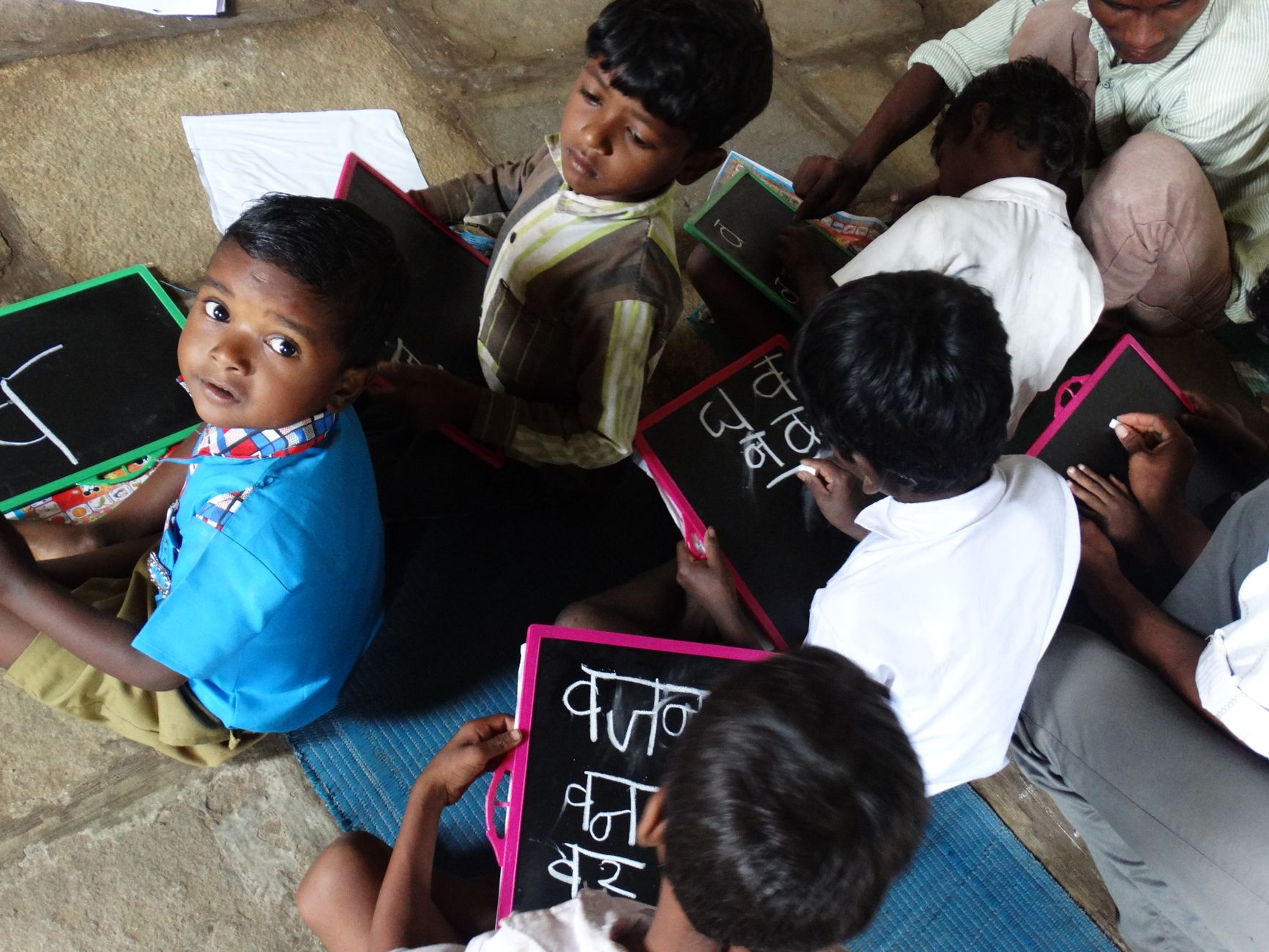
Rural education in India has long faced challenges ranging from inadequate infrastructure to shortage of qualified teachers and limited access to modern learning resources. While government initiatives have made strides in improving literacy rates, corporate India's involvement through Corporate Social Responsibility (CSR) programs has emerged as a significant force in transforming educational outcomes in remote areas.
The Growing Role of Corporate CSR in Education
Since the Companies Act 2013 mandated qualifying companies to spend 2% of their average net profits on CSR activities, billions of rupees have been channeled into social development programs. Education remains one of the most popular focus areas, accounting for approximately 35-40% of total CSR spending in India. This financial commitment has enabled companies to address critical gaps that public resources alone cannot fill.
Companies are increasingly recognizing that investing in education creates long-term value not just for communities but also for building future talent pools. By partnering with established foundations and NGOs, corporations can leverage expertise in implementation while ensuring accountability and measurable impact.
Key Areas Where CSR Programs Make a Difference
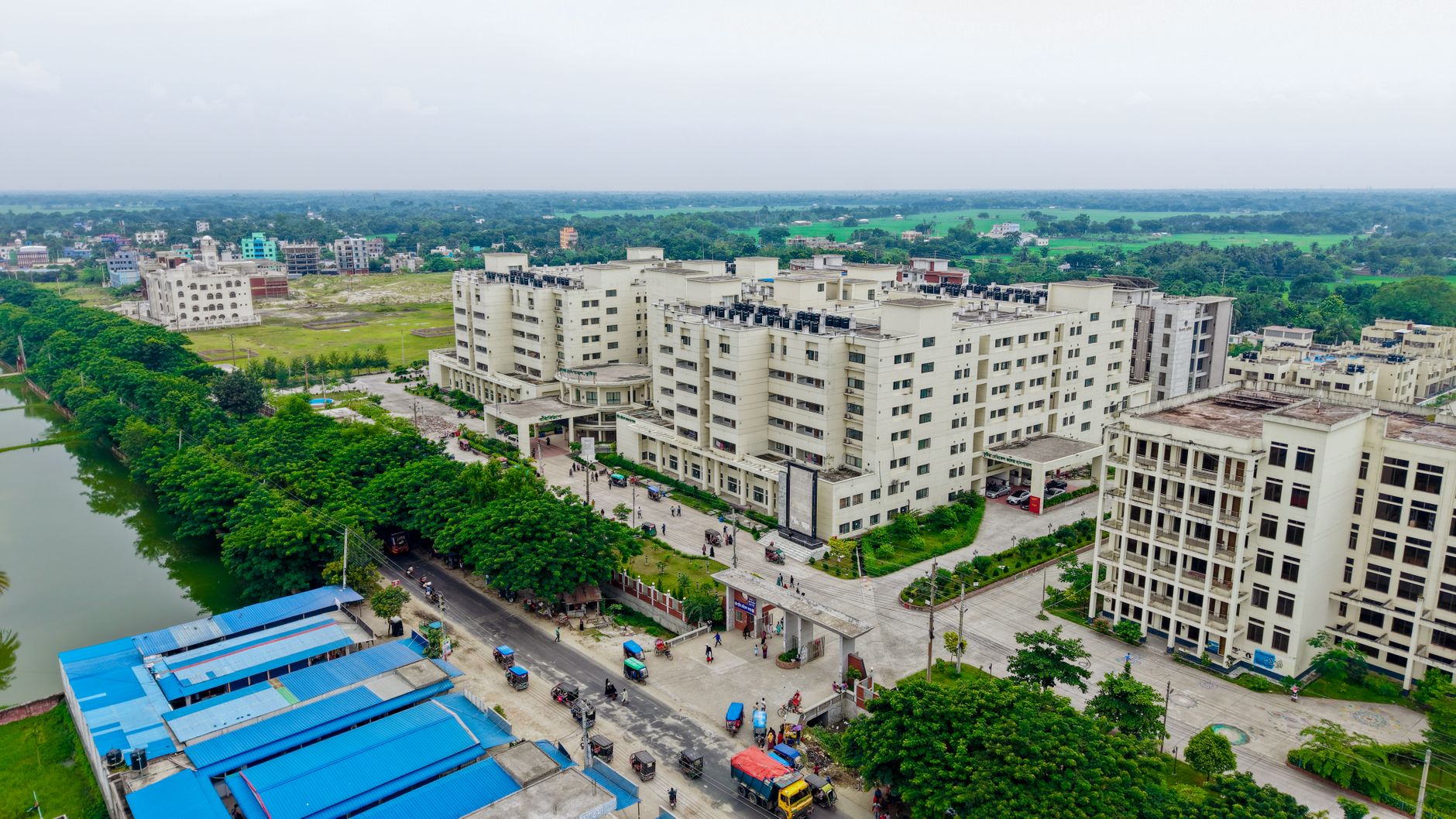
CSR initiatives in rural education typically focus on several critical areas. Infrastructure development remains a primary concern, with companies funding construction of classrooms, toilet facilities, libraries, and computer labs. Many rural schools lack basic amenities, making such investments essential for creating conducive learning environments.
Digital literacy programs represent another major intervention area. Companies provide computers, tablets, and internet connectivity, along with training for both students and teachers. This helps bridge the digital divide between urban and rural students, particularly important in an increasingly technology-driven economy.
Teacher training and capacity building form the backbone of sustainable educational improvement. CSR programs often sponsor professional development workshops, provide teaching aids, and introduce innovative pedagogical methods. This focus on human capital ensures that infrastructure investments translate into better learning outcomes.
Additional support areas include:
- Scholarship programs for underprivileged students
- Mid-day meal programs to improve nutrition and attendance
- Science and mathematics labs with hands-on learning tools
- Sports equipment and facilities for holistic development
- Vocational training programs for skill development
- Sanitary napkin distribution and menstrual hygiene education
The Partnership Model: Companies and NGOs
Successful CSR initiatives typically operate through partnerships between corporations and non-profit organizations. This model combines corporate resources and management expertise with NGO knowledge of ground realities and community relationships. Foundations and NGOs bring years of experience in working with rural communities, understanding local needs, and navigating cultural sensitivities.
This collaborative approach ensures programs are culturally appropriate, sustainable, and aligned with actual community needs rather than imposed from outside. Regular monitoring and evaluation mechanisms help track progress and make necessary course corrections.
Measuring Impact and Ensuring Sustainability
Effective CSR programs incorporate robust measurement frameworks to assess impact. Key performance indicators might include student enrollment and retention rates, learning outcome improvements, teacher satisfaction, and community engagement levels. Technology platforms increasingly help track these metrics in real-time, enabling data-driven decision making.
Sustainability remains crucial. The most successful programs focus on building local capacity so communities can eventually maintain improvements independently. This includes training local teachers, forming school management committees, and creating income-generating activities that fund ongoing maintenance.
Challenges and the Way Forward
Despite progress, challenges persist. Coordination between multiple stakeholders can be complex, and ensuring program continuity beyond initial CSR funding periods requires careful planning. Geographic remoteness and limited infrastructure in some regions make implementation difficult and expensive.
Additionally, measuring long-term educational outcomes requires patience and sustained commitment beyond typical three-to-five-year CSR project cycles. Companies and their NGO partners must balance pressure for quick, visible results with the reality that educational transformation takes time.
The future of CSR in rural education looks promising as more companies recognize the strategic value of these investments. Innovations in educational technology, increased focus on outcome measurement, and growing corporate commitment suggest that CSR will continue playing a vital role in democratizing quality education across India's diverse landscape.
For communities in rural India, corporate CSR initiatives represent hope for breaking cycles of poverty through education, creating opportunities that were previously unimaginable for generations of students.