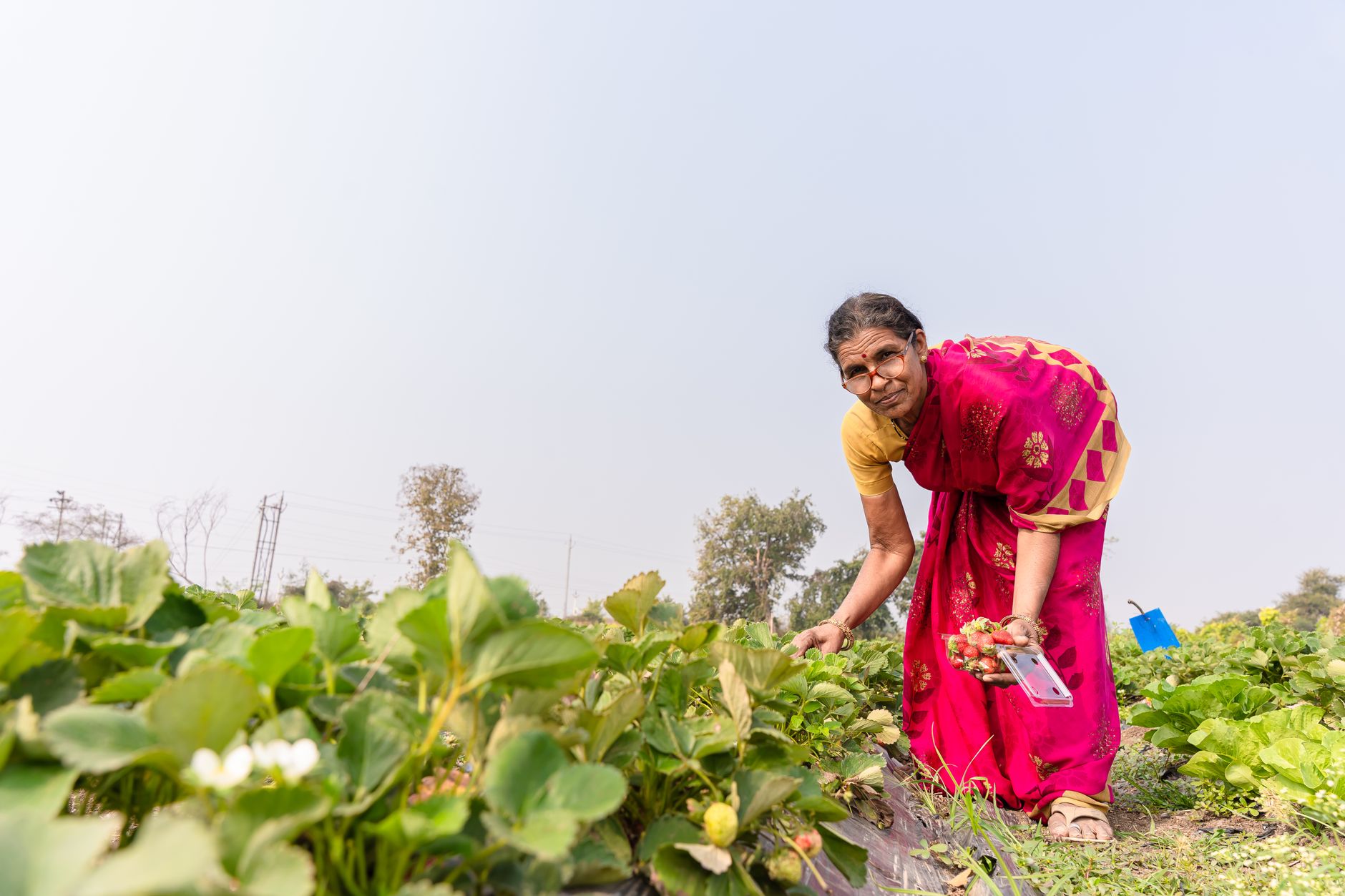
India's agricultural landscape is undergoing a quiet revolution, one that begins not with seeds or irrigation systems, but with the very foundation of farming itself—the soil. As the world's second-largest food producer and home to over 140 million farmers, India has launched comprehensive initiatives to restore and maintain soil health, recognizing that the vitality of its farms directly impacts food security, farmer incomes, and environmental sustainability.
The Soil Health Crisis
Decades of intensive farming, excessive chemical fertilizer use, monocropping, and inadequate crop rotation have depleted soil nutrients across vast swathes of Indian agricultural land. Studies indicate that nearly 30 percent of India's soil is degraded, suffering from nutrient deficiencies, erosion, salinity, or acidity. This degradation translates to reduced crop yields, lower nutritional quality in produce, and increased vulnerability to climate shocks.
The consequences extend beyond farm boundaries. Degraded soil absorbs less water, contributing to flooding during monsoons and water scarcity during dry periods. It also stores less carbon, undermining efforts to combat climate change while simultaneously making agriculture more vulnerable to its effects.
The Soil Health Card Scheme
At the heart of India's soil restoration efforts is the Soil Health Card scheme, launched nationally in 2015. This initiative provides farmers with detailed information about nutrient status and recommendations for appropriate dosage of nutrients to improve soil health and fertility.
Under this program, soil samples from farms across the country are collected and analyzed for 12 key parameters, including nitrogen, phosphorus, potassium, organic carbon, pH levels, and micronutrients like zinc and iron. Farmers receive personalized cards with test results and specific recommendations for fertilizer application tailored to their soil conditions and intended crops.
Over 290 million soil health cards have been distributed to date, covering farms across diverse agro-climatic zones. The scheme has helped farmers reduce fertilizer costs by 8-10 percent while improving yields, demonstrating that precision agriculture benefits both economics and ecology.
Technology-Driven Solutions
India is leveraging cutting-edge technology to scale soil health initiatives beyond what traditional methods could achieve. Mobile soil testing laboratories bring diagnostic capabilities to remote villages, eliminating the need for farmers to travel long distances. These labs can process samples within hours, providing rapid feedback.
Digital platforms and mobile applications now allow farmers to access their soil health data, receive customized advisories, and track improvements over time. Geographic Information System (GIS) mapping creates detailed soil health profiles at the village and district levels, enabling policymakers to design targeted interventions for specific regions.
Research institutions are developing soil health monitoring systems using satellite imagery, sensors, and artificial intelligence to predict nutrient deficiencies and soil moisture levels. These innovations promise real-time soil management guidance, helping farmers make informed decisions about irrigation, fertilization, and crop selection.
Organic and Biological Interventions
Recognizing that chemical-only solutions created the problem in the first place, India's soil health strategy emphasizes organic and biological approaches. The government promotes natural farming techniques that rely on composting, green manuring, crop rotation, and biological pest management.
Programs encouraging the use of bio-fertilizers containing beneficial microorganisms help restore soil microbial diversity, improve nutrient availability, and enhance disease resistance. Vermicomposting units and organic waste recycling initiatives turn agricultural residues and municipal waste into valuable soil amendments, closing nutrient loops.
Several states have launched ambitious organic farming initiatives, with Sikkim becoming India's first fully organic state in 2016. These programs demonstrate that regenerative practices can restore soil health while maintaining productivity.
Farmer Training and Awareness
Technology and science remain ineffective without farmer participation and understanding. Extensive training programs educate farmers about soil health indicators, sustainable practices, and proper fertilizer use. Krishi Vigyan Kendras (agricultural science centers) across the country conduct workshops, demonstrations, and field visits.
Farmer producer organizations and self-help groups facilitate knowledge sharing and collective action on soil conservation. Success stories from early adopters inspire neighbors to embrace soil-friendly practices, creating ripple effects across communities.
The Road Ahead
India's soil health initiatives represent a long-term investment in agricultural sustainability. While challenges remain—including ensuring regular soil testing cycles, addressing regional disparities, and scaling organic transitions—the foundation has been laid for healthier, more resilient farming systems.
As climate change intensifies and population pressures mount, the soil beneath our feet becomes increasingly critical. India's integration of traditional wisdom with modern science offers a blueprint for sustainable agriculture that could benefit farming communities worldwide, proving that securing the future of food begins with saving the soil.
This article is for general informational purposes only and does not constitute agricultural, environmental, or professional advice. Farmers should consult with local agricultural extension services and soil health experts for guidance specific to their farms and regions.