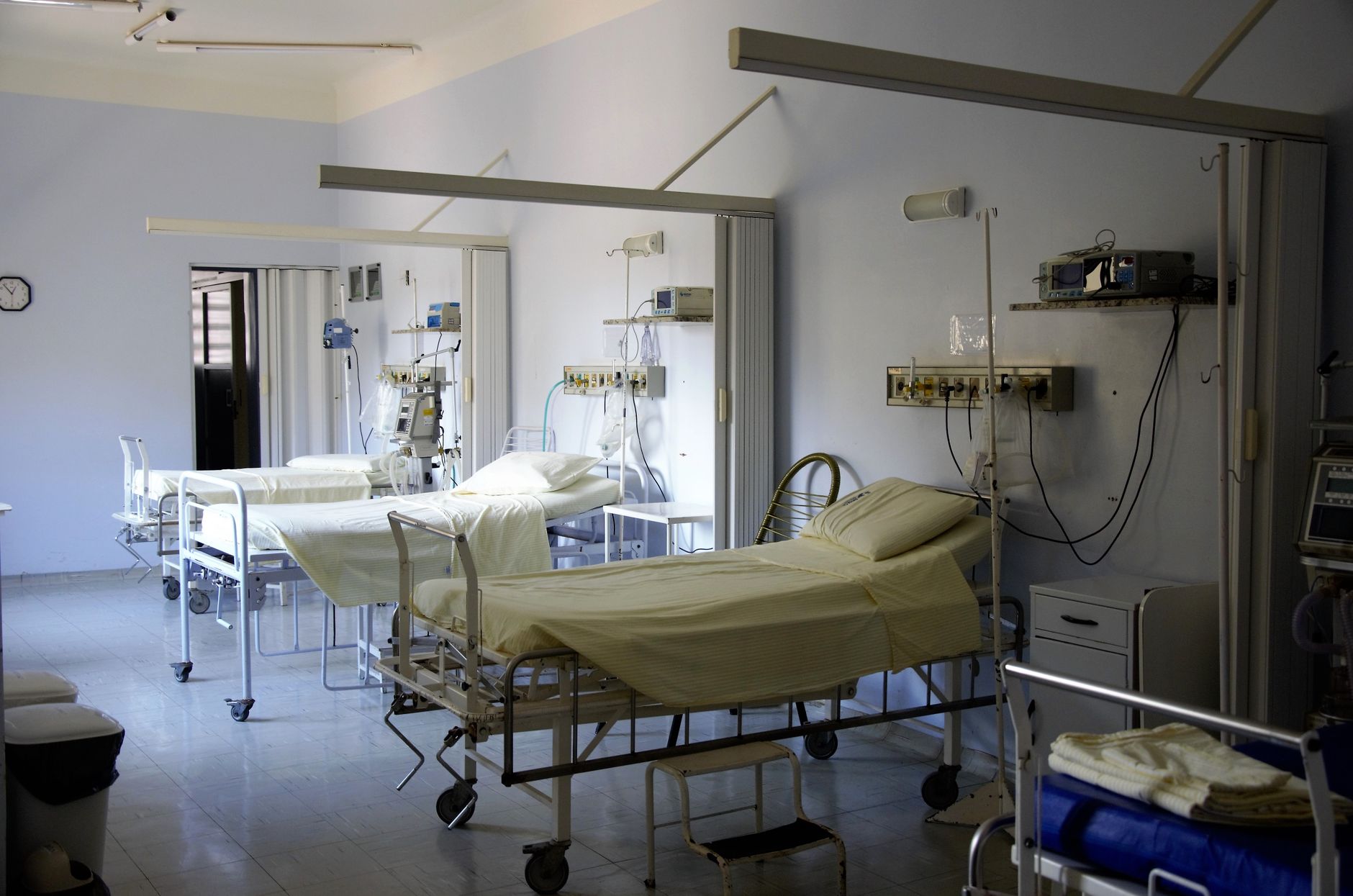
Manipal Health Enterprises, one of India's leading private healthcare providers, has announced a significant capital investment of $414.4 million to expand its hospital network and medical infrastructure across the country. This substantial outlay underscores the growing opportunities in India's healthcare sector and the increasing demand for quality medical services.
Understanding Manipal Health's Market Position
Manipal Health Enterprises operates under the umbrella of the renowned Manipal Education and Medical Group, which has been a trusted name in healthcare and education for decades. The organization runs multiple hospitals across India, offering tertiary and quaternary care services in major cities and emerging urban centers.
The company has built its reputation on academic excellence, having strong ties with Manipal Academy of Higher Education, which trains thousands of medical professionals annually. This integration of education and healthcare delivery has given Manipal a competitive advantage in attracting skilled doctors and implementing cutting-edge medical practices.
Why This Expansion Matters Now
India's healthcare infrastructure has been under tremendous pressure in recent years. The COVID-19 pandemic exposed critical gaps in hospital capacity, ICU beds, and specialized medical equipment across the country. Private healthcare providers like Manipal have emerged as essential partners in bridging these gaps.
Several factors are driving this investment decision:
- Rising per capita income leading to greater healthcare spending
- Growing prevalence of lifestyle diseases requiring specialized treatment
- Expansion of health insurance coverage under government and private schemes
- Medical tourism recovery as international patients return to India
- Increasing demand for tertiary care facilities in tier-2 and tier-3 cities
Where the Money Will Go
Healthcare infrastructure expansion typically involves multiple components. While specific allocation details vary by organization, major hospital groups generally invest in:
- Construction of new hospitals and specialty centers
- Addition of beds and ICU capacity at existing facilities
- Advanced diagnostic equipment including MRI, CT scanners, and catheterization labs
- Oncology centers with radiation therapy capabilities
- Cardiac care units and transplant facilities
- Digital health infrastructure and telemedicine platforms
- Recruitment and training of medical staff
The capital expenditure also likely includes investments in ancillary services such as pharmacies, diagnostic centers, and rehabilitation facilities that complement core hospital operations.
The Broader Healthcare Investment Landscape
Manipal's announcement comes amid a broader wave of healthcare sector investments in India. Both domestic and international investors have shown increased interest in Indian healthcare, recognizing the sector's growth potential and relative resilience during economic uncertainties.
The Indian government's push for universal health coverage through schemes like Ayushman Bharat has created a larger addressable market for healthcare providers. These programs have brought millions of previously uninsured Indians into the formal healthcare system, driving demand for hospital services.
Private equity firms and global healthcare corporations have also been active in India, either through direct investments or partnerships with existing hospital chains. This influx of capital has intensified competition while simultaneously raising quality standards across the industry.
Impact on Patients and Healthcare Access
For patients, expanded hospital capacity typically translates to reduced waiting times for procedures, greater availability of specialized treatments closer to home, and potentially more competitive pricing as supply increases. The spread of advanced medical facilities to smaller cities means fewer patients need to travel to metropolitan areas for complex treatments.
However, affordability remains a concern despite expanding infrastructure. While insurance coverage is improving, out-of-pocket medical expenses continue to strain household finances for many Indian families. The challenge for hospital chains is balancing quality care with pricing that remains accessible to a broader population segment.
Future Outlook
The Indian healthcare sector is projected to reach $372 billion by 2028, according to various industry estimates. Hospital services constitute a major portion of this market, with bed capacity needing to grow substantially to match population needs and align with global standards.
Manipal Health's significant capital commitment signals confidence in long-term sector fundamentals. As India's population ages and chronic disease prevalence rises, demand for hospital services is expected to grow steadily. Success will depend on execution quality, operational efficiency, and the ability to attract both patients and skilled medical professionals.
This article is for general informational purposes only and does not constitute investment or financial advice. Readers should conduct their own research and consult qualified professionals before making any investment decisions.