Nelson Mandela's belief that education is the most powerful weapon to change the world resonates deeply with nations striving to improve their educational systems. For India, a country with one of the world's largest and most diverse student populations, Mandela's philosophy offers valuable insights into addressing persistent challenges in the education sector.
The Current State of Indian Education
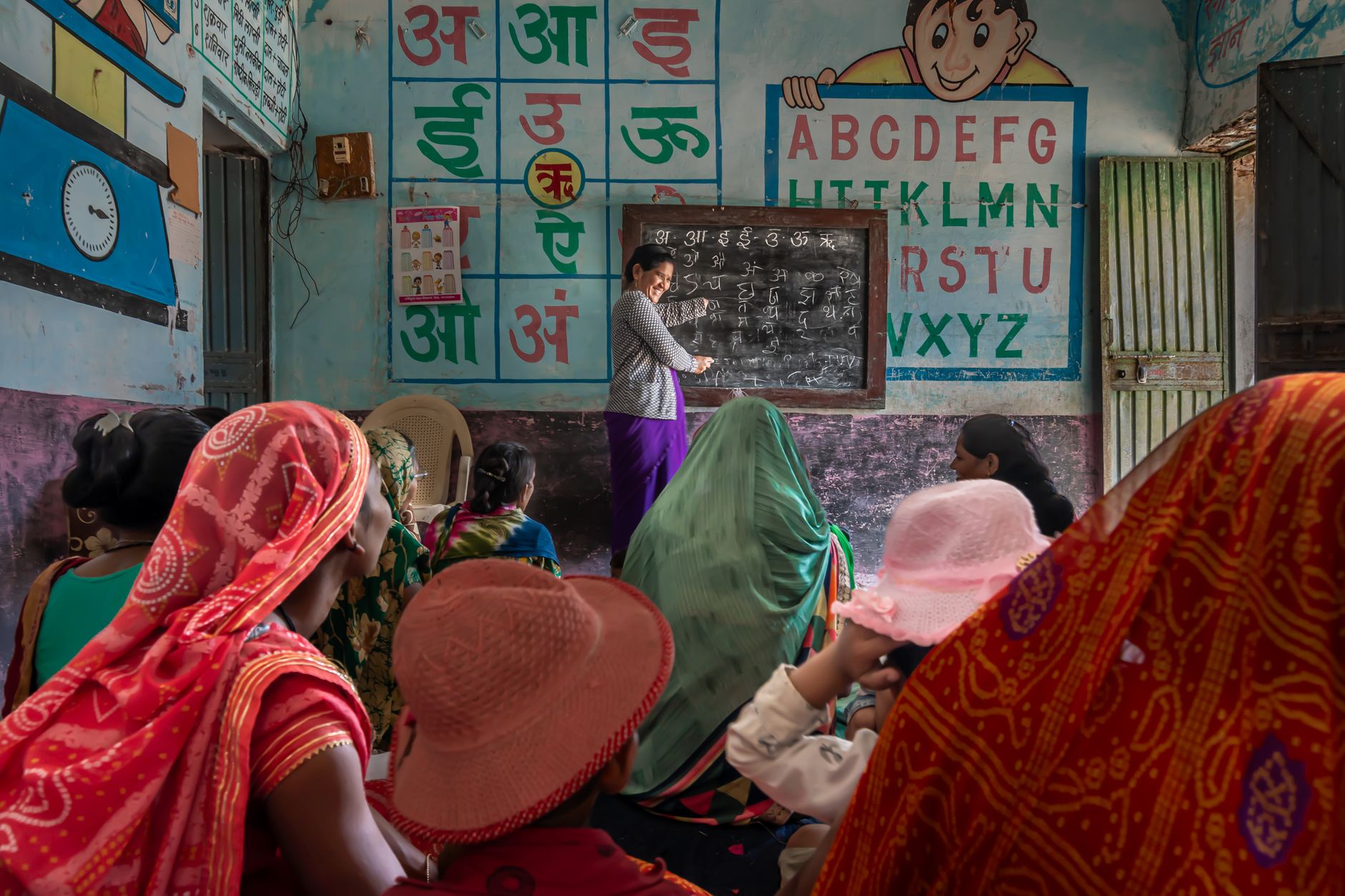
India's education system serves over 250 million students, making it a massive undertaking with inherent complexities. Despite significant progress in enrollment rates following the Right to Education Act of 2009, the quality of learning remains inconsistent. Rural-urban divides, socioeconomic disparities, and variations in state-level implementation create a patchwork of educational experiences.
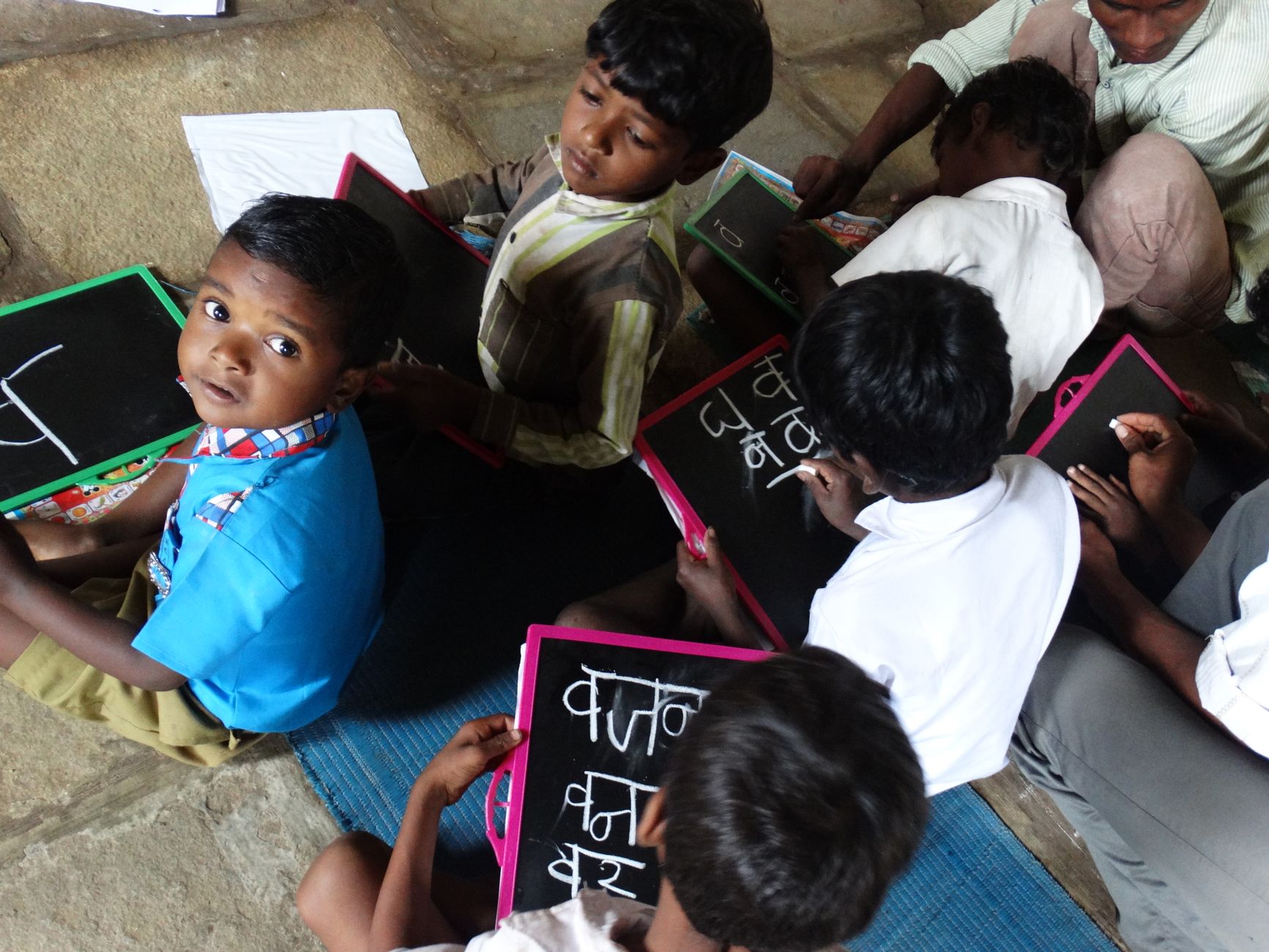
Recent assessments have revealed concerning gaps in foundational literacy and numeracy skills among primary school students. Many children advance through grades without mastering basic competencies, a phenomenon often called "learning poverty." This challenge mirrors the educational inequalities that Mandela fought against in South Africa, where systemic barriers prevented entire communities from accessing quality education.
Mandela's Core Educational Principles
Mandela viewed education not merely as a means to employment but as a fundamental tool for human dignity and societal transformation. His approach emphasized several key principles that remain relevant today.
First, education must be genuinely accessible to all, regardless of social or economic background. Mandela understood that excluding any segment of society from quality education perpetuates cycles of poverty and inequality. For India, this principle directly addresses the challenges faced by marginalized communities, including Scheduled Castes, Scheduled Tribes, and economically disadvantaged groups who continue to experience lower educational attainment.
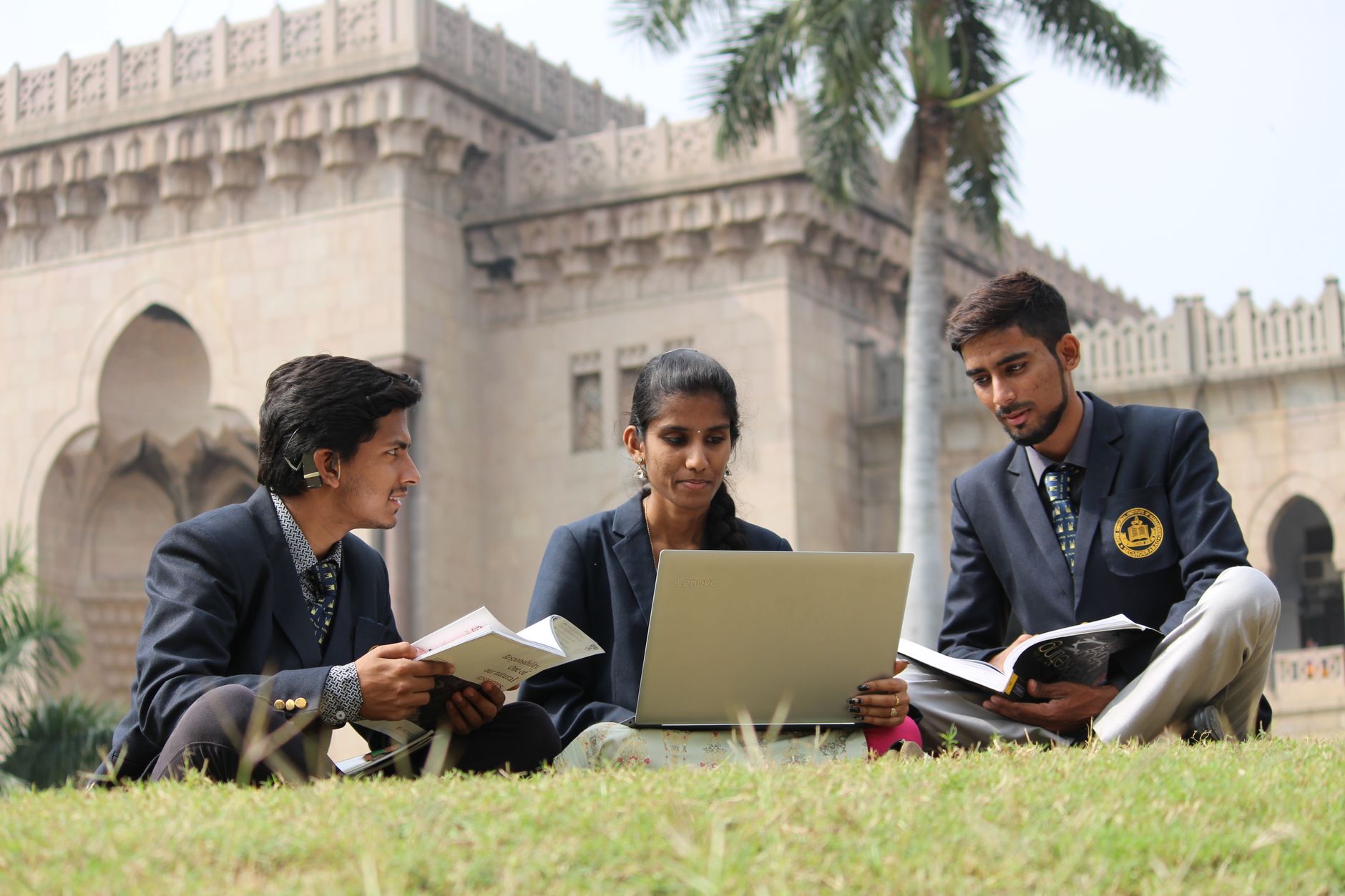
Second, education should empower critical thinking rather than rote memorization. Mandela believed in developing questioning minds capable of independent thought and problem-solving. This contrasts sharply with India's traditional emphasis on memorization and high-stakes examinations, which often prioritize retention over comprehension and application.
Practical Applications for India's Education System
Implementing Mandela-inspired reforms in India would require addressing several specific areas.
Infrastructure and Resource Equity
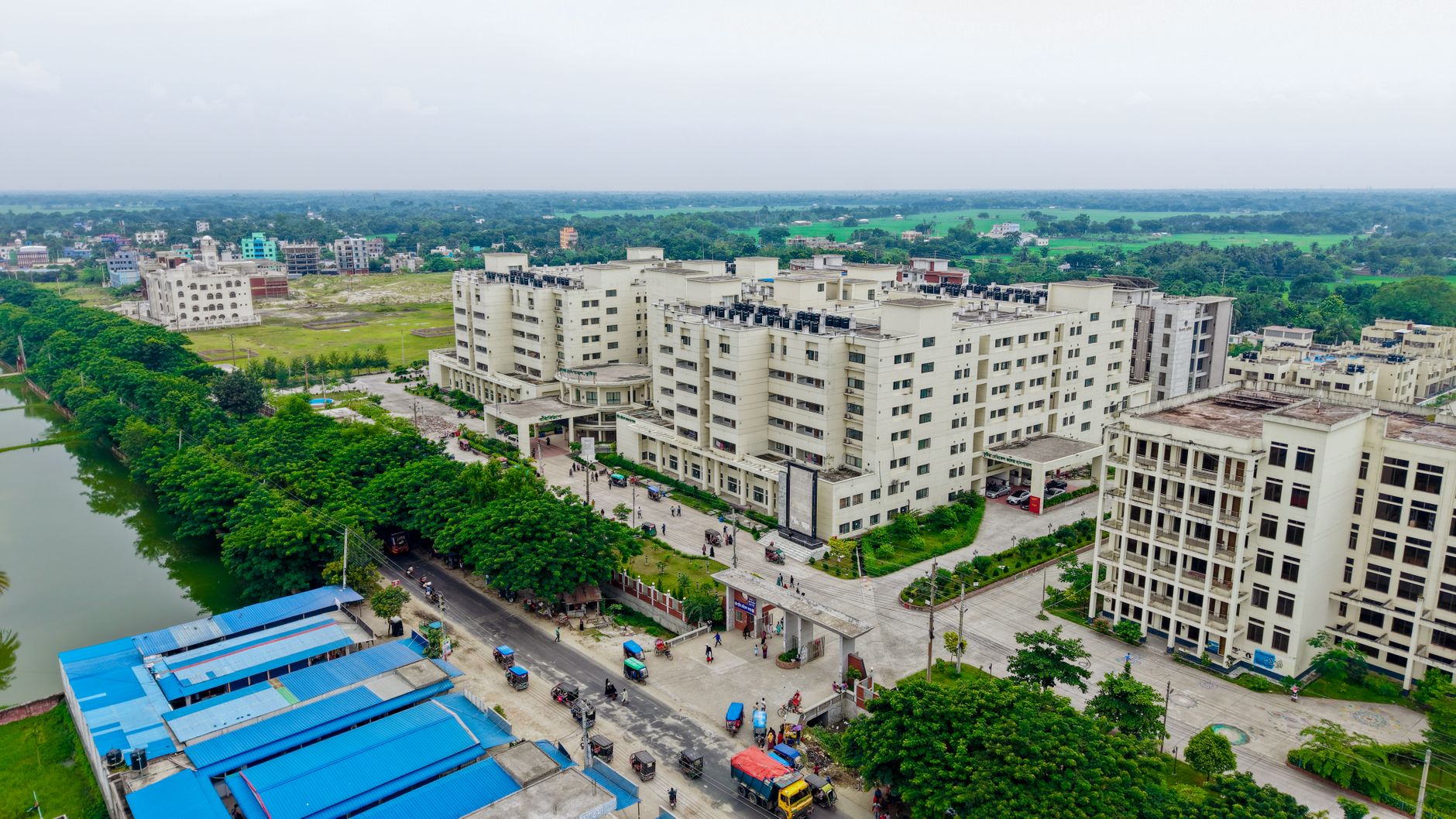
The disparity between well-resourced urban schools and under-equipped rural institutions remains stark. Following Mandela's commitment to equal access, India needs sustained investment in school infrastructure, particularly in remote and tribal areas. This includes not just buildings but also digital connectivity, libraries, laboratories, and trained teachers.
Curriculum Modernization
India's National Education Policy 2020 has already begun shifting toward competency-based learning and reduced curriculum load, aligning with Mandela's vision of meaningful education. However, implementation at the ground level remains inconsistent. Schools need support in transitioning from examination-focused teaching to methods that encourage creativity, critical analysis, and practical application.
Teacher Training and Empowerment
Mandela recognized that quality education depends on quality educators. India faces a dual challenge of teacher shortages in certain regions and inadequate professional development opportunities. Investing in continuous teacher training, particularly in modern pedagogical methods and subject expertise, would significantly improve learning outcomes.
Inclusive Education Models
Mandela's inclusive vision translates to ensuring that students with disabilities, linguistic minorities, and girls in conservative communities receive equal educational opportunities. India's progress in girls' education has been notable, but significant work remains in ensuring retention rates and creating safe, supportive learning environments.
Community Engagement
Education cannot succeed in isolation. Mandela emphasized community involvement in educational development, understanding that schools function best when embedded in their communities. India's experience with school management committees shows promise but requires stronger implementation and genuine power-sharing with local stakeholders.
The Path Forward
Transforming India's education system requires sustained political will, adequate funding, and societal commitment to viewing education as an investment rather than an expense. Mandela's words remind us that education's true measure lies not in examination scores alone but in its ability to develop compassionate, thinking citizens capable of contributing to society.
The challenges facing Indian education are substantial, but they are not insurmountable. By embracing Mandela's principles of equality, accessibility, and empowerment, India can create an education system that truly serves all its children, preparing them not just for jobs but for engaged citizenship and lifelong learning.
This article is for general informational purposes only and does not constitute professional educational policy advice. Readers should consult education experts and policy documents for specific guidance on educational reform initiatives.