Student activism has long been a cornerstone of democratic movements in India, from the pre-independence struggles to contemporary protests over educational policies and civil liberties. The latest wave of campus demonstrations has reignited conversations about the role of universities as spaces for dissent and the broader health of democratic institutions in the country.
The Historical Context of Student Movements
Indian universities have traditionally served as incubators for political consciousness and social reform. From the Quit India Movement of 1942 to the anti-Emergency protests of the 1970s, students have often been at the forefront of challenging authority and demanding accountability. These movements have shaped the nation's political landscape and produced several prominent leaders who later entered mainstream politics.
The current generation of student activists draws from this rich legacy while addressing contemporary concerns unique to their times. Their protests reflect anxieties about employment prospects, educational quality, fee structures, and fundamental democratic rights that they perceive as being under threat.
Understanding the Recent Protest Waves
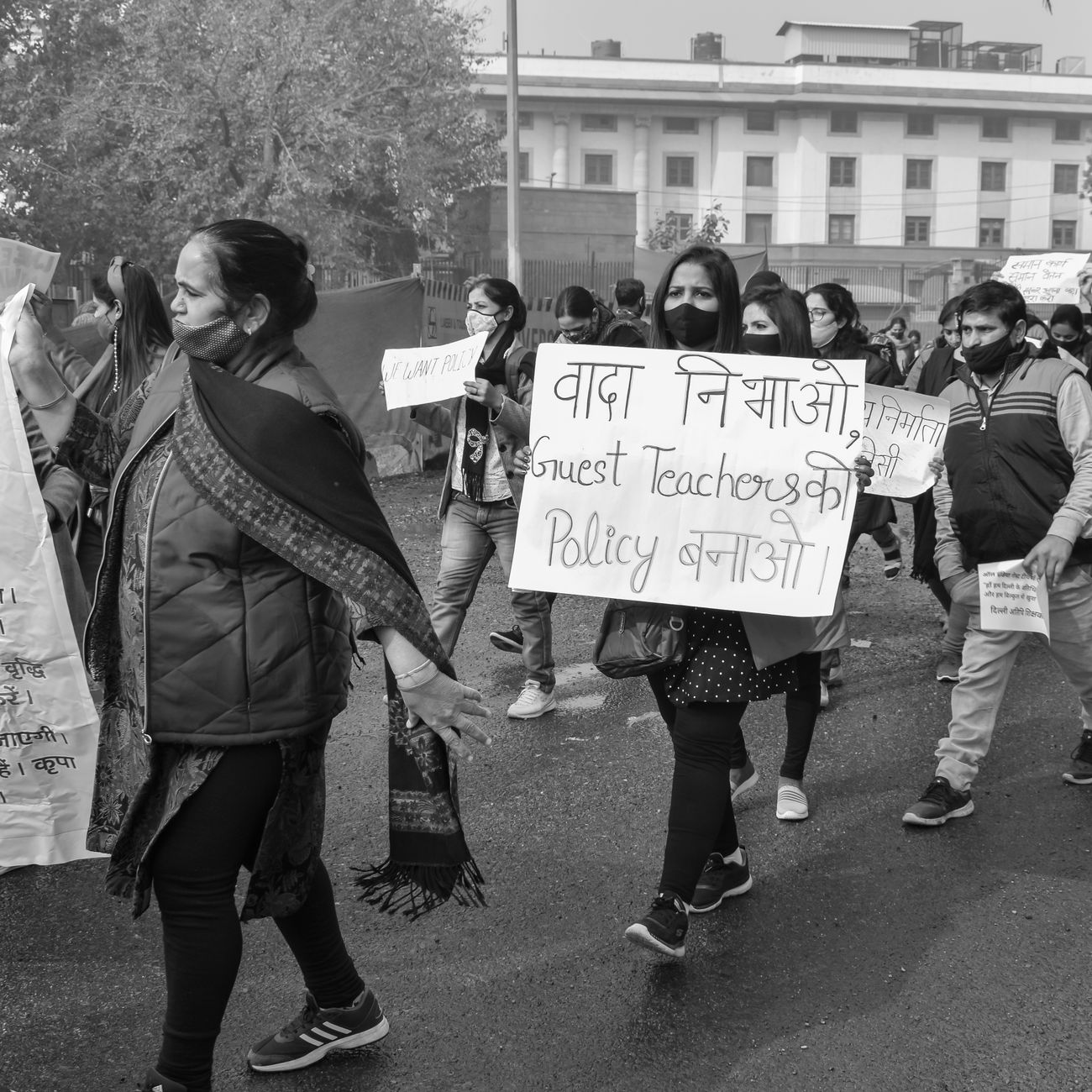
Recent student demonstrations have emerged from various triggers across different institutions. Common themes include resistance to fee hikes that make higher education less accessible to economically disadvantaged students, opposition to changes in admission policies, concerns about campus safety, and demands for greater transparency in university administration.
What distinguishes contemporary student movements is their ability to leverage social media for rapid mobilization and information dissemination. Within hours, a localized campus issue can gain national attention, forcing institutional and governmental responses that might previously have been delayed or avoided altogether.
The Democracy Dimension
Critics and supporters alike view these protests through different lenses. Supporters argue that student activism represents the vitality of democratic engagement, particularly among young people who will shape the country's future. They see protests as legitimate expressions of dissent that hold institutions accountable and push for necessary reforms.
The ability of students to organize, voice dissent, and challenge authority without fear is often considered a barometer of democratic health. When universities become spaces where questioning is encouraged rather than suppressed, they fulfill their role as centers of critical thinking and intellectual growth.
Challenges and Controversies
Student protests inevitably face pushback from multiple quarters. University administrations sometimes view demonstrations as disruptive to academic activities and campus order. Political groups with differing ideologies clash over the nature and direction of protests, occasionally leading to violence and polarization.
There are also debates about the appropriate limits of protest. While peaceful demonstrations and sit-ins are generally protected forms of expression, questions arise when protests disrupt examinations, prevent other students from accessing facilities, or turn violent.
Impact on Policy and Discourse
Despite controversies, student movements have achieved tangible outcomes. Several universities have rolled back fee hikes following sustained protests. Administrations have instituted grievance redressal mechanisms and student representation in decision-making bodies. Beyond immediate policy wins, protests have succeeded in keeping issues of educational access, quality, and autonomy in public discourse.
The ripple effects extend beyond campus boundaries. When students articulate concerns about democratic freedoms and institutional autonomy, they often catalyze broader societal conversations about governance, transparency, and citizen rights.
The Digital Age Factor
Social media has transformed how student movements organize and communicate. Hashtags trend within minutes, videos of alleged administrative excesses go viral, and supporters across the country can express solidarity instantly. This digital dimension makes it harder for institutions to ignore student demands or control narratives about campus events.
However, the same tools that empower protesters can also spread misinformation, enable coordinated trolling campaigns against activists, and create echo chambers that harden positions on all sides.
Looking Forward
The persistence of student activism suggests that young Indians remain deeply invested in democratic participation despite cynicism about traditional political institutions. Universities continue to be crucial spaces where citizens learn to negotiate differences, demand accountability, and exercise their constitutional rights.
Whether these movements can sustain momentum and translate into lasting institutional reforms remains to be seen. What appears certain is that student protests will continue to play a significant role in shaping debates about education policy, democratic freedoms, and the responsibilities of both institutions and citizens in maintaining a vibrant democracy.
The challenge for all stakeholders—students, administrators, policymakers, and citizens—is to engage constructively with dissent while ensuring that educational institutions can fulfill their primary mission of learning and knowledge creation.