Sonam Wangchuk's journey from a mechanical engineer to one of India's most celebrated innovators represents a unique blend of scientific ingenuity, educational philosophy, and environmental activism. His work in the remote region of Ladakh has not only addressed critical local challenges but has also offered scalable models for sustainable development across the Himalayan belt and beyond.
The Ice Stupa Innovation
Wangchuk's most visually striking contribution to climate adaptation is the Ice Stupa project, which tackles water scarcity in high-altitude desert regions. These artificial ice towers, designed to resemble Buddhist stupas, store winter water in frozen form and release it gradually during the crucial spring planting season when farmers need it most.
The concept is elegantly simple yet scientifically sound. During winter, when water is abundant but freezing temperatures make it unusable, excess stream water is diverted through vertical pipes. The water freezes as it sprays into the air, creating cone-shaped ice structures that can reach heights of 30-50 meters. Their conical shape minimizes surface area exposed to sunlight, allowing them to melt slowly from April onwards, precisely when irrigation water becomes scarce.
This innovation has earned international recognition, including the Rolex Award for Enterprise, and has been replicated in regions from Switzerland to Pakistan, demonstrating how local solutions can have global applications.
Reimagining Education in the Himalayas
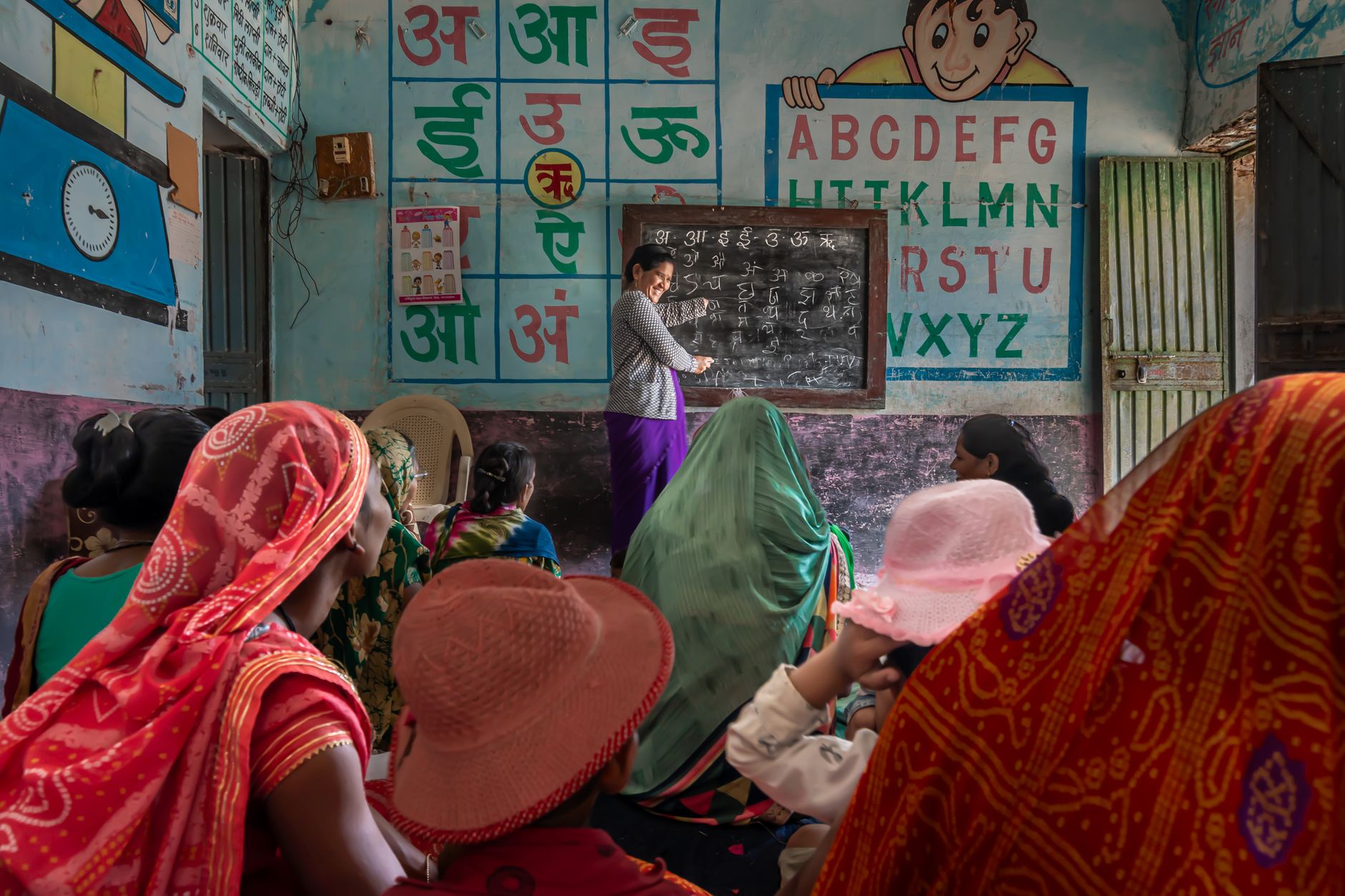
Before Ice Stupas captured global attention, Wangchuk had already revolutionized education in Ladakh through the Students' Educational and Cultural Movement of Ladakh (SECMOL). Frustrated with a system that saw over 95 percent of Ladakhi students failing their high school exams in the 1980s, Wangchuk and colleagues created an alternative learning model.
SECMOL's approach challenges conventional classroom teaching by:
- Emphasizing practical skills alongside academic learning
- Incorporating local culture, language, and environmental context into curricula
- Using student-centered, hands-on teaching methods
- Operating an alternative school campus built and run largely by students themselves
- Focusing on holistic development rather than rote memorization
The SECMOL campus itself serves as a learning laboratory, featuring solar-heated buildings, composting toilets, and organic farming—all designed, built, and maintained by students. This immersive approach transforms education from passive absorption to active problem-solving.
The Real-Life Inspiration Behind Bollywood
Wangchuk's educational philosophy and personality reportedly inspired Aamir Khan's character Phunsukh Wangdu (Rancho) in the blockbuster film "3 Idiots." While the film dramatized the concept, it brought mainstream attention to Wangchuk's core message: that education should foster innovation, critical thinking, and practical problem-solving rather than mere credential-gathering.
Environmental Activism and Recent Developments
In recent years, Wangchuk has emerged as a vocal advocate for Ladakh's environmental protection and constitutional safeguards. Following Ladakh's designation as a Union Territory in 2019, he has campaigned for measures to protect the region's fragile ecology and preserve the rights of its indigenous population.
His activism has included undertaking climate fasts to draw attention to demands for:
- Inclusion of Ladakh under the Sixth Schedule of the Constitution for tribal autonomy
- Formation of separate Lok Sabha seats for Leh and Kargil districts
- Protection against large-scale industrial projects that could harm the environment
- Greater say for local communities in development decisions
These fasts represent Wangchuk's evolution from innovator to activist, using Gandhian methods to amplify grassroots concerns on national platforms.
A Model for Sustainable Mountain Development
What distinguishes Wangchuk's work is its integration of traditional knowledge with modern science, local needs with global environmental concerns, and individual innovation with community empowerment. His projects demonstrate that remote, resource-scarce regions need not wait for top-down solutions but can pioneer their own pathways to sustainability.
For India's vast Himalayan region facing climate change impacts, water scarcity, and educational challenges, Wangchuk's models offer replicable frameworks. His work shows that innovation often emerges not from abundance but from constraint, and that the most effective solutions are those developed by and for the communities they serve.
As India grapples with balancing development with environmental protection, particularly in ecologically sensitive zones, Sonam Wangchuk's journey offers valuable lessons in how engineering, education, and activism can converge to create lasting, meaningful change.