India's public examination system has long been the gateway to government jobs, higher education, and professional careers for millions of young people. However, recent months have witnessed unprecedented protests by students and job aspirants, forcing authorities to reconsider fundamental aspects of how these high-stakes tests are conducted.
The Scale of India's Examination Challenge
India conducts some of the world's largest competitive examinations, with tests like the UPSC Civil Services, SSC, railway recruitment exams, and various state-level assessments attracting millions of candidates annually. The sheer volume of aspirants – often numbering in the tens of millions for popular examinations – creates unique logistical and administrative challenges that few other countries face.
The examination system serves as a critical social mobility tool in India, where government jobs offer security, prestige, and benefits that private sector positions often cannot match. This makes the integrity and fairness of these exams a matter of intense public interest and emotional investment.
What Sparked the Recent Protests
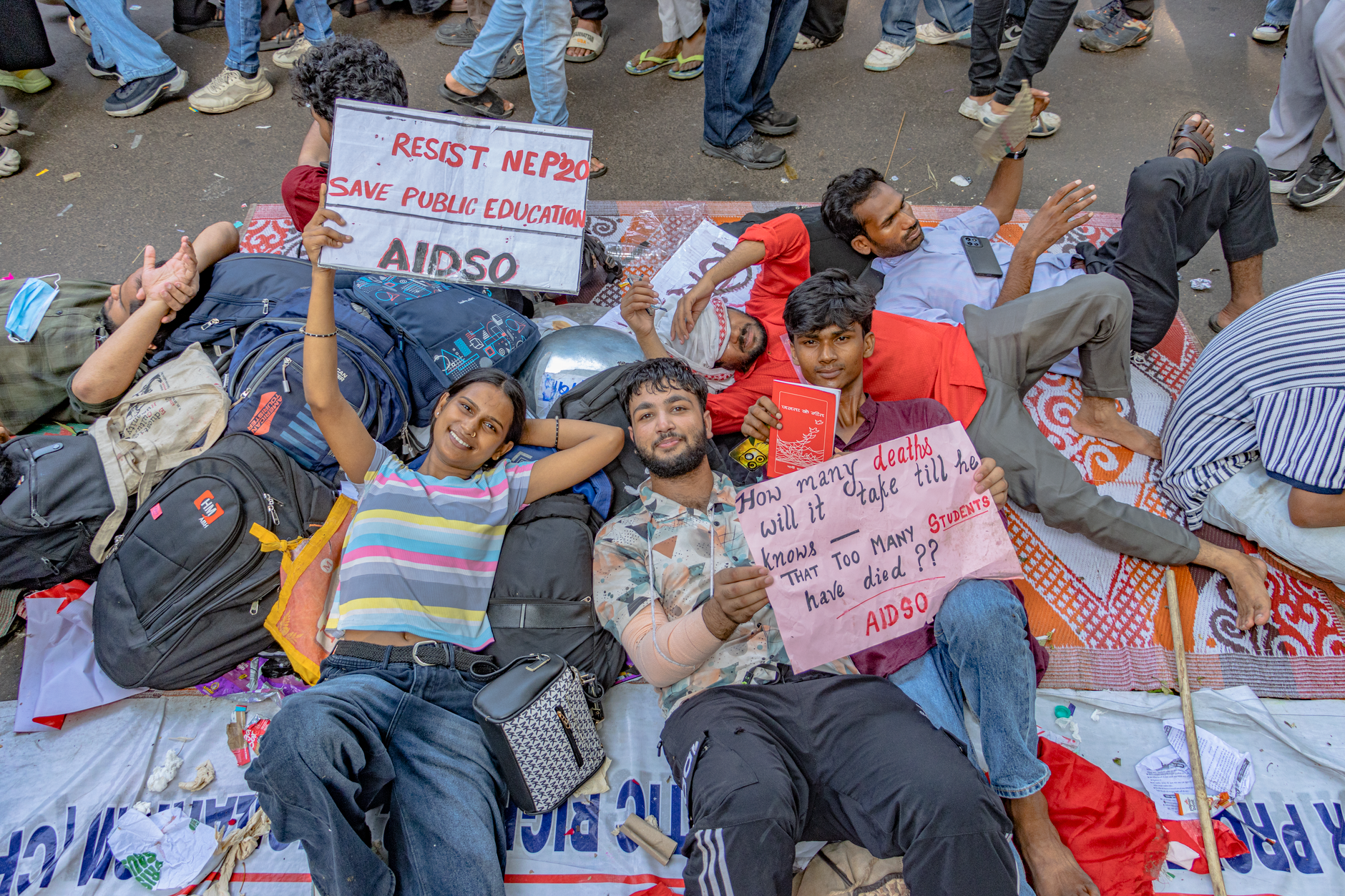
Student protests erupted across multiple Indian cities due to several interconnected grievances. Allegations of paper leaks, exam irregularities, and technical glitches during computer-based tests undermined confidence in the system's integrity. Additionally, frequent last-minute cancellations, rescheduling, and delays in result declarations left millions of aspirants in prolonged uncertainty.
The age limit restrictions for various examinations became another flashpoint, with students arguing that delays and cancellations cost them precious attempt opportunities. Many aspirants invest years preparing for these exams, often foregoing other career opportunities, making any systemic failure deeply personal and economically devastating.
Key Reforms Being Implemented
Enhanced Security Measures
Authorities are deploying advanced technology to prevent paper leaks and cheating. This includes:
- Biometric authentication at examination centers
- CCTV surveillance with AI-based monitoring
- Encrypted question paper delivery systems
- Isolated printing facilities with restricted access
- Real-time monitoring dashboards for detecting anomalies
Improved Examination Infrastructure
The government is expanding the network of secure testing centers and upgrading technology infrastructure. This includes better server capacity for online examinations, backup systems to prevent technical failures, and standardized protocols across all examination centers nationwide.
Greater Transparency and Communication
New guidelines mandate clearer communication timelines, with examining bodies required to publish detailed calendars well in advance. There is also a push for faster result declarations and more transparent evaluation processes, including provisions for answer key challenges and re-evaluation in certain circumstances.
Stricter Accountability Frameworks
Regulatory bodies are being strengthened with enhanced powers to investigate irregularities. Officials found complicit in examination malpractices now face harsher penalties, including criminal prosecution. Several states have enacted dedicated legislation with stringent punishments for those involved in paper leaks or other forms of examination fraud.
Rationalization of the Examination Calendar
Coordination between different examining authorities is being improved to prevent overlap and reduce the burden on aspirants who often appear for multiple tests. There are also discussions about limiting the number of attempts or extending age limits to compensate for years lost to pandemic-related disruptions and systemic failures.
The Path Forward
The reforms represent a significant acknowledgment that India's examination system needs modernization to match the aspirations and expectations of its youth demographic. However, implementation challenges remain substantial given the country's vast geography, diverse technological infrastructure, and the sheer number of stakeholders involved.
Critics argue that beyond procedural reforms, India needs to address the underlying issue: an oversupply of qualified candidates for limited government positions. They advocate for expanding job creation in both public and private sectors, diversifying career aspirations beyond government employment, and reforming the nature of these examinations to test practical skills rather than rote memorization.
Impact on Aspirants
For the millions currently preparing for competitive exams, these reforms offer both hope and continued uncertainty. While improved security and transparency are welcome, the transition period may bring its own challenges as new systems are tested and refined. Many aspirants are calling for compensatory measures, including additional attempt opportunities or age relaxations, to account for years disrupted by both the pandemic and examination irregularities.
The coming months will prove critical as authorities implement these reforms under intense public scrutiny. The success or failure of these measures will not only affect individual careers but also shape public trust in governmental institutions and the broader social contract between India's youth and the state.