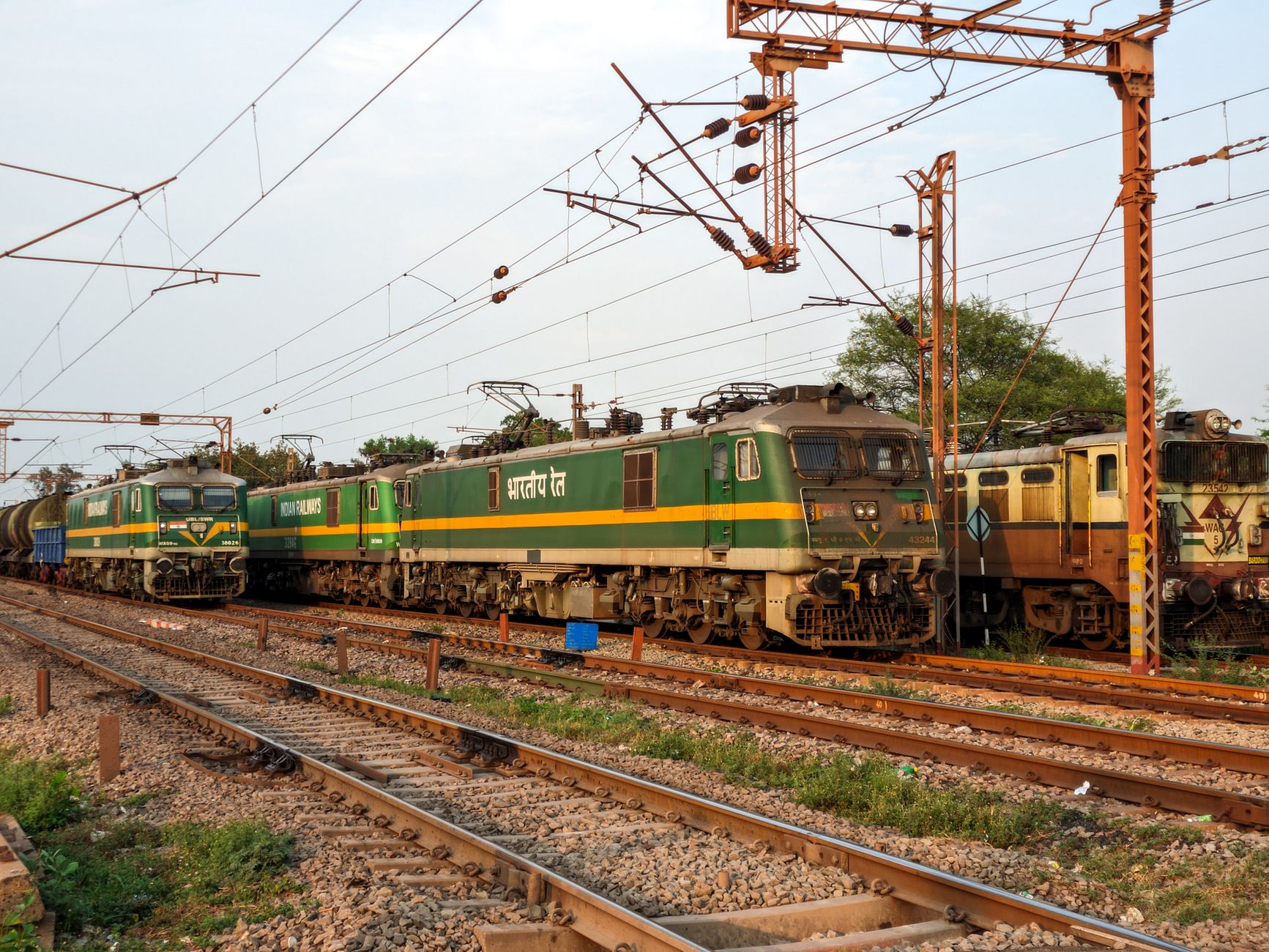
India has taken a significant step forward in sustainable transportation by developing and retaining intellectual property rights for its indigenous hydrogen train technology. This achievement represents more than just technological advancement—it signals India's growing capability in green innovation and its strategic approach to owning critical future technologies.
Understanding Hydrogen Train Technology
Hydrogen-powered trains represent the next generation of zero-emission rail transport. Unlike traditional diesel locomotives or even electric trains that draw power from potentially coal-based grids, hydrogen trains produce only water vapour as a byproduct. These trains use hydrogen fuel cells that convert hydrogen and oxygen into electricity, which then powers electric motors.
The technology works through a relatively straightforward process. Hydrogen stored in tanks on the train combines with oxygen from the air inside fuel cells. This chemical reaction generates electricity that drives the train's motors while producing water and heat as the only outputs. Additional battery systems typically store excess energy for peak power demands during acceleration.
Why Intellectual Property Rights Matter
Retaining IP rights for this technology carries profound implications for India's economic and strategic interests. When a country owns the intellectual property for a technology, it controls how that technology is used, manufactured, and distributed globally. This ownership translates into several advantages.
First, India can manufacture and deploy these trains domestically without paying licensing fees to foreign entities, significantly reducing costs for railway modernization. Second, the country can license this technology to other nations, creating a new revenue stream and positioning India as a technology exporter rather than just an importer. Third, owning the IP ensures that future improvements and iterations remain under Indian control, preventing technological dependence.
India's Railway Modernization Drive
Indian Railways, one of the world's largest railway networks, has been actively pursuing sustainability initiatives. The network carries over 8 billion passengers annually and transports vast quantities of freight across the country. Reducing the carbon footprint of such extensive operations could make a meaningful impact on India's overall emissions.
Hydrogen trains fit perfectly into this modernization vision. Many railway routes in India are still non-electrified, particularly in mountainous regions and remote areas where electrification is expensive or impractical. Hydrogen trains offer a clean alternative to diesel locomotives on these routes without requiring extensive overhead electrical infrastructure.
The technology also aligns with India's National Hydrogen Mission, which aims to make the country a global hub for green hydrogen production and utilization. Developing applications like hydrogen trains creates domestic demand that can drive down production costs and build ecosystem capabilities.
Global Context and Competition
India's achievement comes as several countries race to develop and deploy hydrogen train technology. Germany introduced the world's first commercial hydrogen trains in 2022, while France, the United Kingdom, and China have active development programmes. However, these technologies often involve licensing arrangements with foreign technology providers.
By developing indigenous technology, India avoids the technology transfer challenges and dependency issues that plague many developing nations. The country can customize the technology for its specific operational conditions—extreme temperatures, varied terrain, and high passenger loads—that differ from European or other markets.
Challenges and Implementation
Despite this technological breakthrough, several challenges remain for widespread deployment. Hydrogen production infrastructure needs significant expansion. While India has abundant renewable energy potential for green hydrogen production through solar and wind power, the electrolyser capacity and distribution networks require substantial investment.
Storage and refuelling infrastructure along railway routes must be established. Hydrogen requires specialized handling due to its flammability and the need for high-pressure or cryogenic storage. Safety protocols and training programmes for railway staff will need development.
Cost competitiveness compared to diesel and electric alternatives also requires careful evaluation. While hydrogen trains eliminate fuel costs over time and reduce environmental impact, the initial capital expenditure and infrastructure development costs are substantial.
Future Implications
India's retention of IP rights for hydrogen train technology could catalyze broader industrial development. Domestic manufacturing of fuel cells, hydrogen storage systems, and related components can create new industries and employment opportunities. The technology might also find applications beyond railways—in mining vehicles, port equipment, or heavy-duty trucks.
As global pressure mounts to decarbonize transportation, countries with proven hydrogen mobility solutions will have significant competitive advantages. India's early mover status in owning indigenous hydrogen train technology positions it favourably in future global markets, potentially transforming the country from a technology consumer to a technology provider in the green transportation sector.