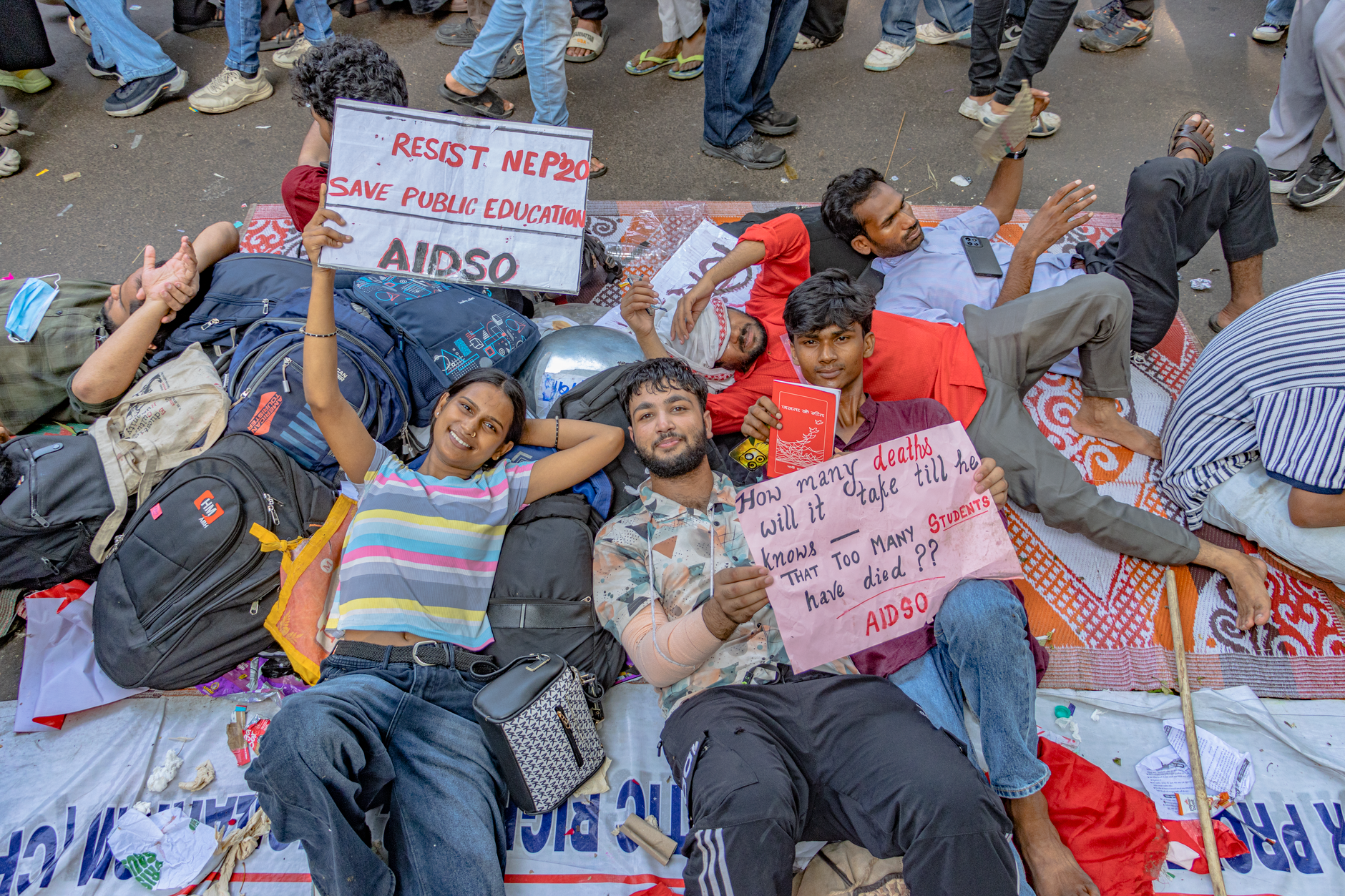
Indian students have taken to the streets in recent weeks, demanding accountability and systemic reform after several high-stakes examination paper leaks undermined the credibility of national testing systems. The protests have highlighted deep-rooted issues in India's competitive examination ecosystem, affecting millions of students who depend on fair testing for educational and career advancement.
The Scale of the Problem
Examination paper leaks have become an increasingly serious concern in India's education system. These incidents typically involve question papers being circulated hours or days before scheduled tests, giving certain students unfair advantages while devastating those who prepared honestly. The leaks have affected various examinations, from university entrance tests to civil service preliminary exams, creating a crisis of confidence in the entire assessment infrastructure.
The impact extends beyond individual students. Parents invest significant resources in coaching classes and study materials, expecting a level playing field. When leaks occur, these investments feel wasted, and the dream of upward mobility through education seems compromised. For many Indian families, competitive examinations represent the primary pathway to professional success and economic security.
Why Exam Leaks Happen
Several factors contribute to the recurring problem of examination paper leaks in India:
- Insider involvement at printing presses, storage facilities, or examination centres where papers are handled before distribution
- Criminal networks that specialize in obtaining and selling leaked papers to desperate students or their families
- Digital vulnerabilities in computer-based testing systems
- Inadequate security protocols during paper transportation and storage
- Corruption among officials responsible for examination security
- The enormous pressure on students to succeed, creating demand for leaked papers
The sheer volume of examinations conducted annually in India makes comprehensive security challenging. With millions of students appearing for various tests simultaneously across thousands of centres, maintaining complete confidentiality requires extraordinary coordination and resources.
Government's Proposed Response
The Prime Minister's acknowledgment of the problem and promise of action represents a significant step. While specific measures continue to evolve, the government's response typically includes several components.
Enhanced security measures focus on improving the physical and digital infrastructure surrounding examination systems. This includes better surveillance at printing facilities, tamper-proof packaging, GPS tracking of paper consignments, and real-time monitoring of examination centres.
Legal reforms aim to impose stricter penalties on those involved in leaking papers. Treating examination fraud as a serious criminal offense with substantial prison terms and fines could deter potential offenders. Some proposals suggest creating specialized fast-track courts to handle examination-related cases quickly.
Technology integration offers promising solutions. Randomized question banks, where different students receive different sets of questions of equivalent difficulty, can minimize the impact of leaks. Biometric verification prevents impersonation, while AI-powered monitoring systems can detect suspicious patterns during exams.
What Students Can Expect
For students currently preparing for upcoming examinations, uncertainty remains a significant challenge. However, several developments may improve confidence in the system.
Examination bodies are likely to implement more frequent changes to examination patterns and question formats, making it harder for leaked information to be useful. Students should prepare comprehensively rather than relying on predicted questions or leaked papers, which may be deliberately false information spread to trap cheaters.
The government may also increase the frequency of examinations for certain tests, allowing students multiple attempts within a year. This reduces the do-or-die pressure that makes some students vulnerable to the temptation of using leaked papers.
The Broader Reform Question
Beyond immediate fixes, the protests have sparked necessary conversations about India's examination-centric education system. Critics argue that overreliance on single high-stakes tests creates the desperate environment that fuels the leak problem.
Alternative assessment methods, including continuous evaluation, project-based learning, and holistic admission criteria, could reduce pressure while providing more comprehensive measures of student capabilities. However, implementing such systems fairly across India's diverse educational landscape presents its own challenges.
The protests have also highlighted the need for mental health support for students facing extreme academic pressure. Counseling services, stress management programs, and efforts to destigmatize failure could help create a healthier educational environment.
Moving Forward
The coming months will reveal whether promised reforms translate into meaningful change. Students, parents, and educators must remain engaged with the reform process, holding authorities accountable for implementing promised changes.
For now, students should focus on thorough preparation, stay informed about official announcements regarding their examinations, and participate constructively in advocacy for systemic improvements. The protests have demonstrated that student voices matter in shaping education policy, a positive development for Indian democracy regardless of the immediate outcomes.